
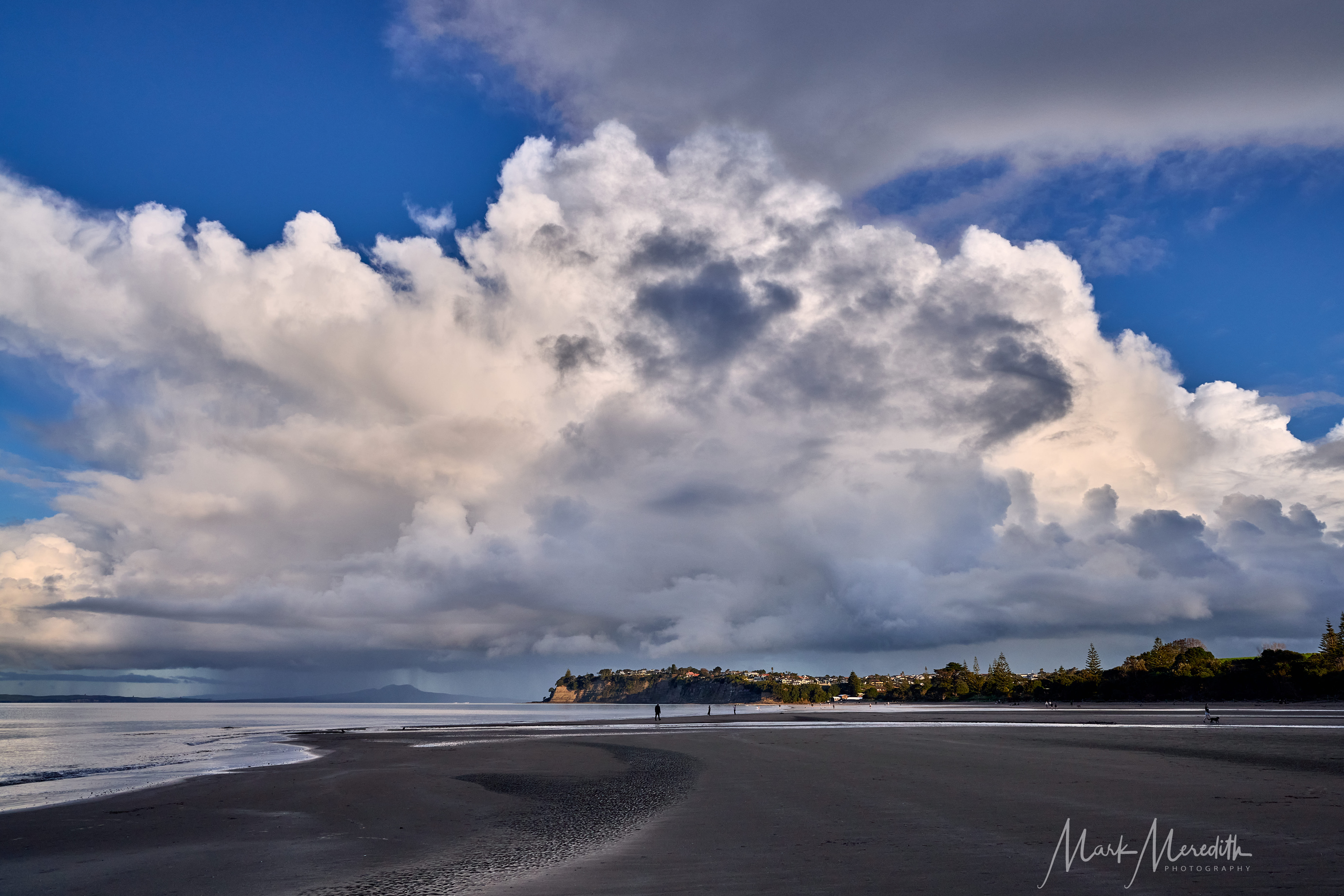
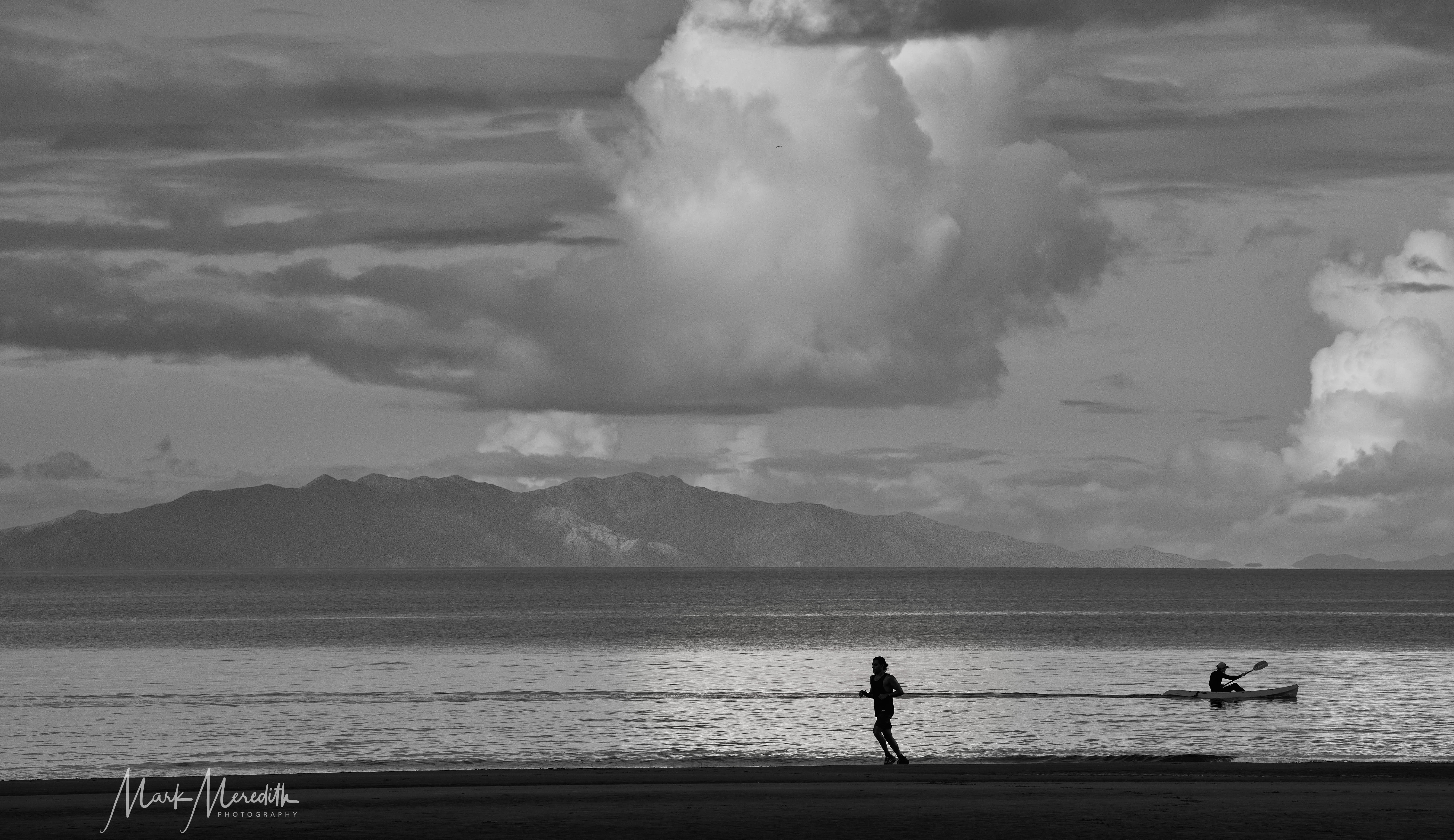
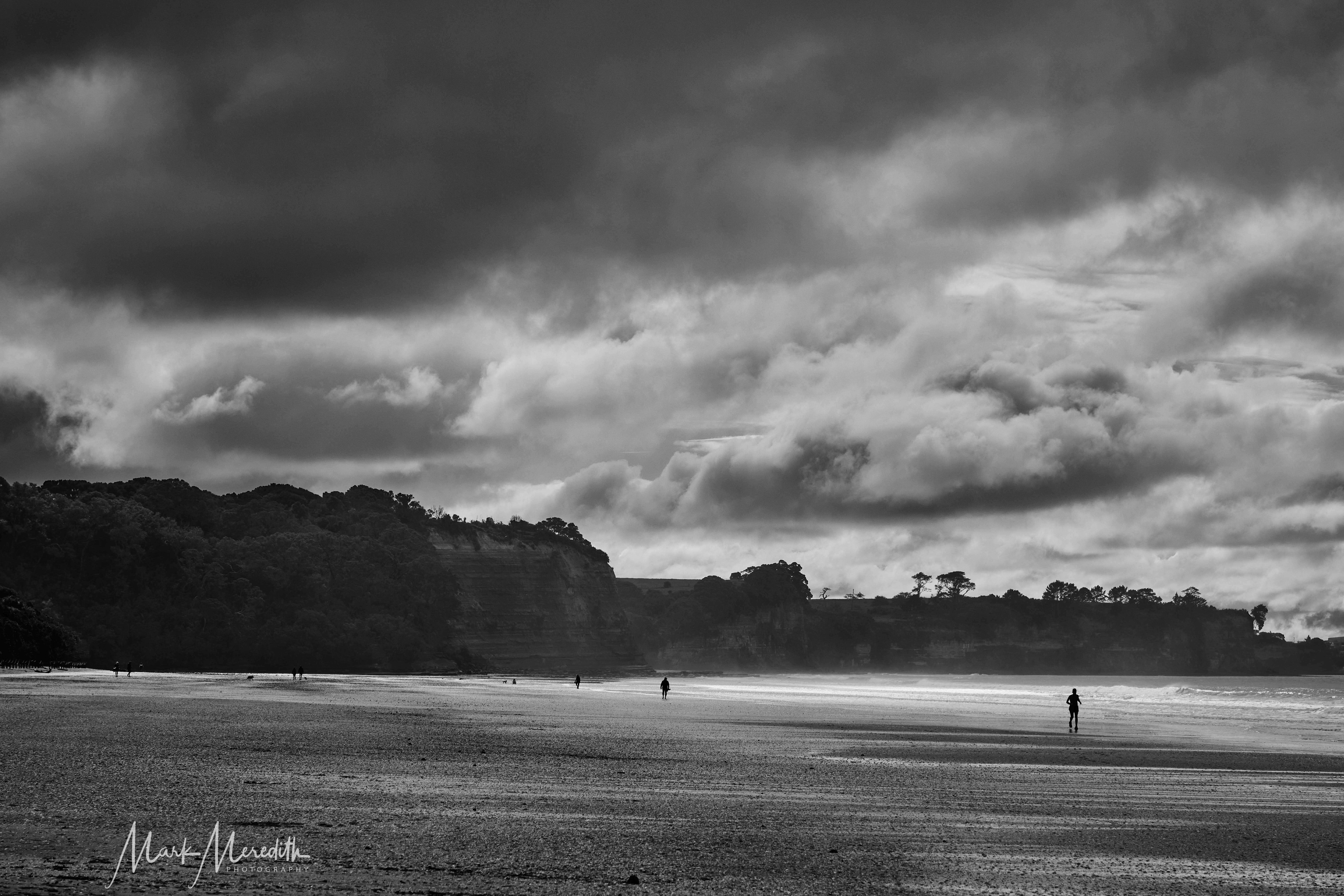

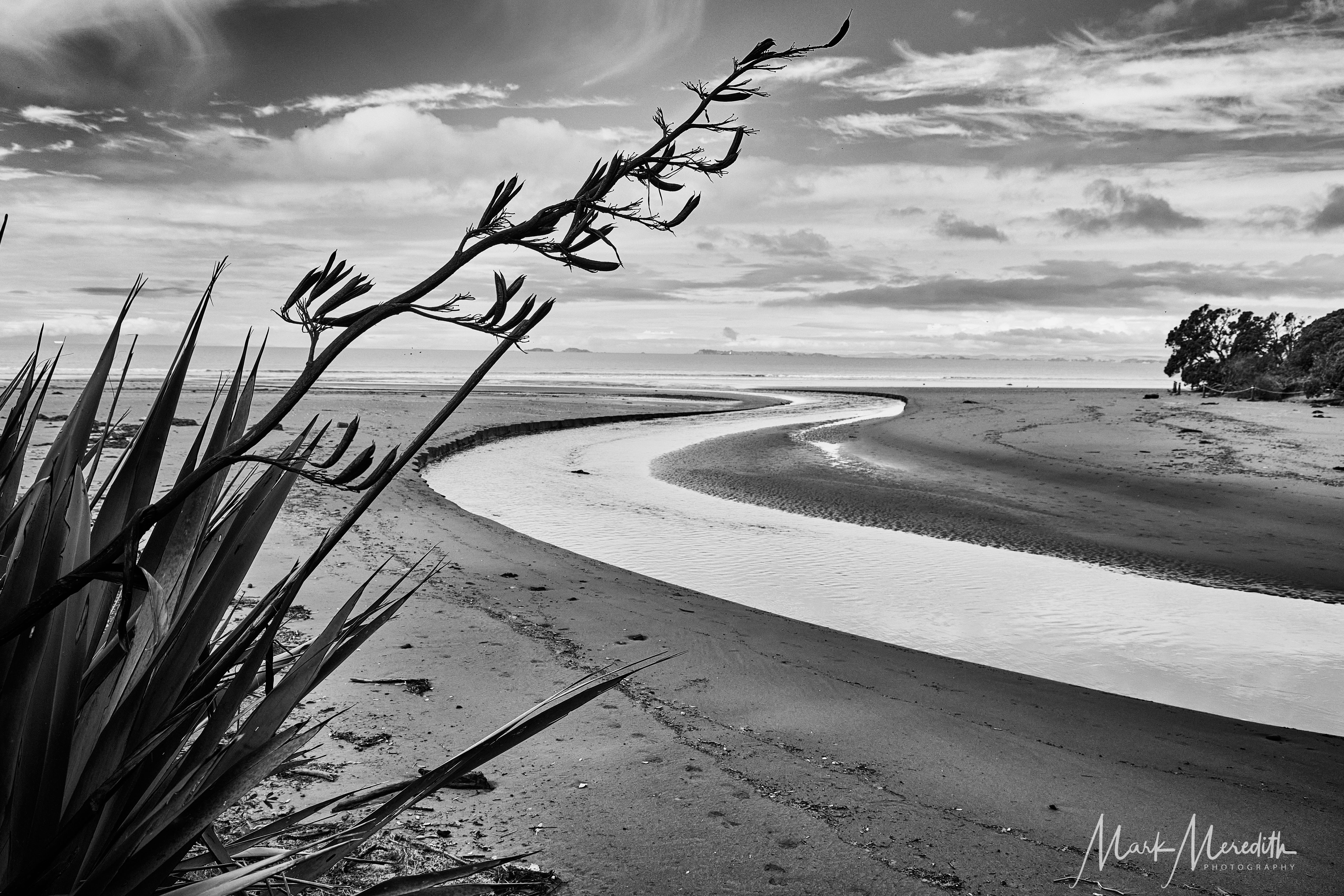
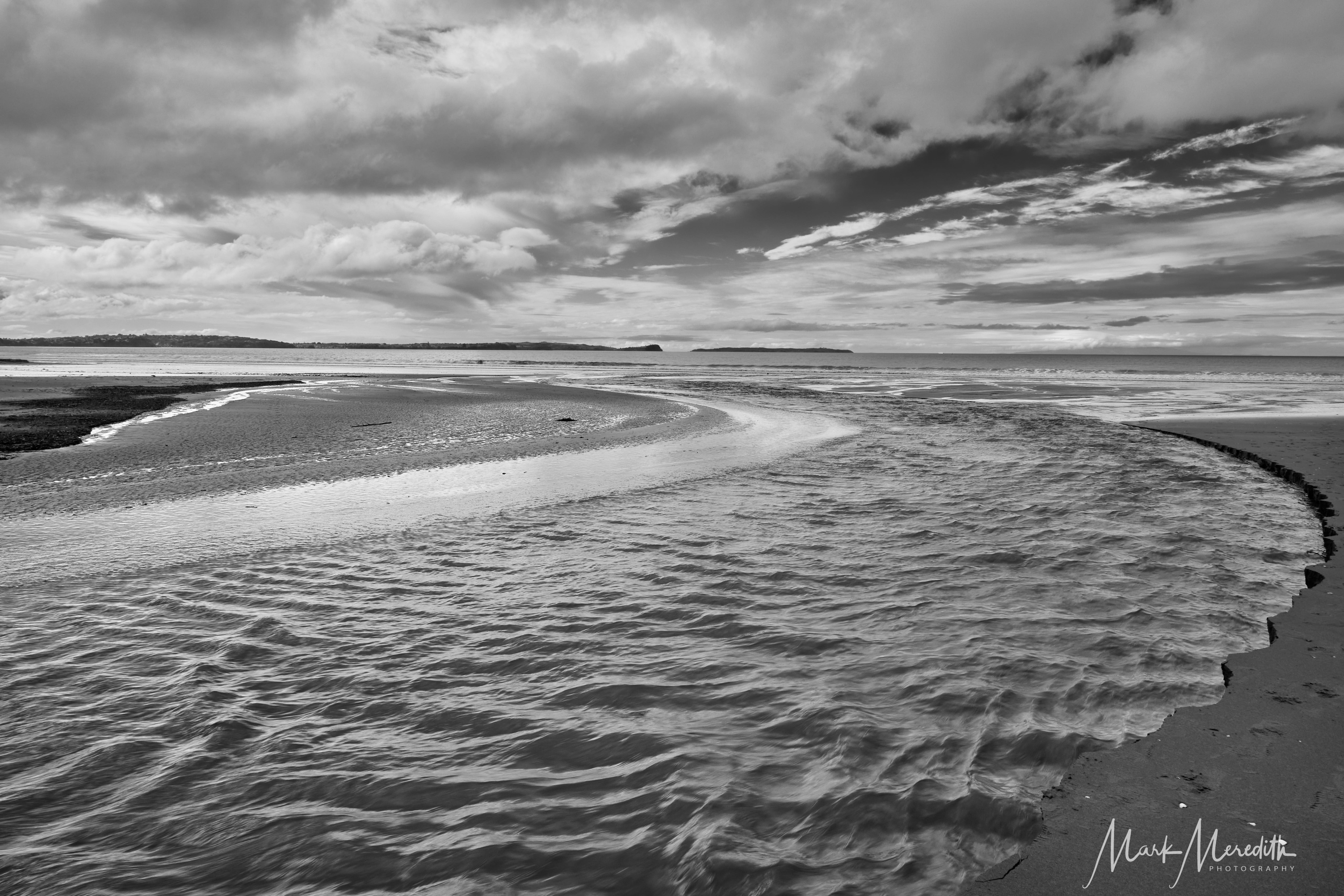
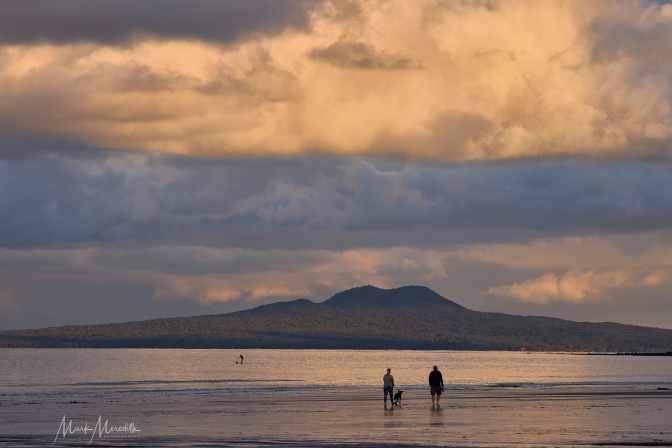
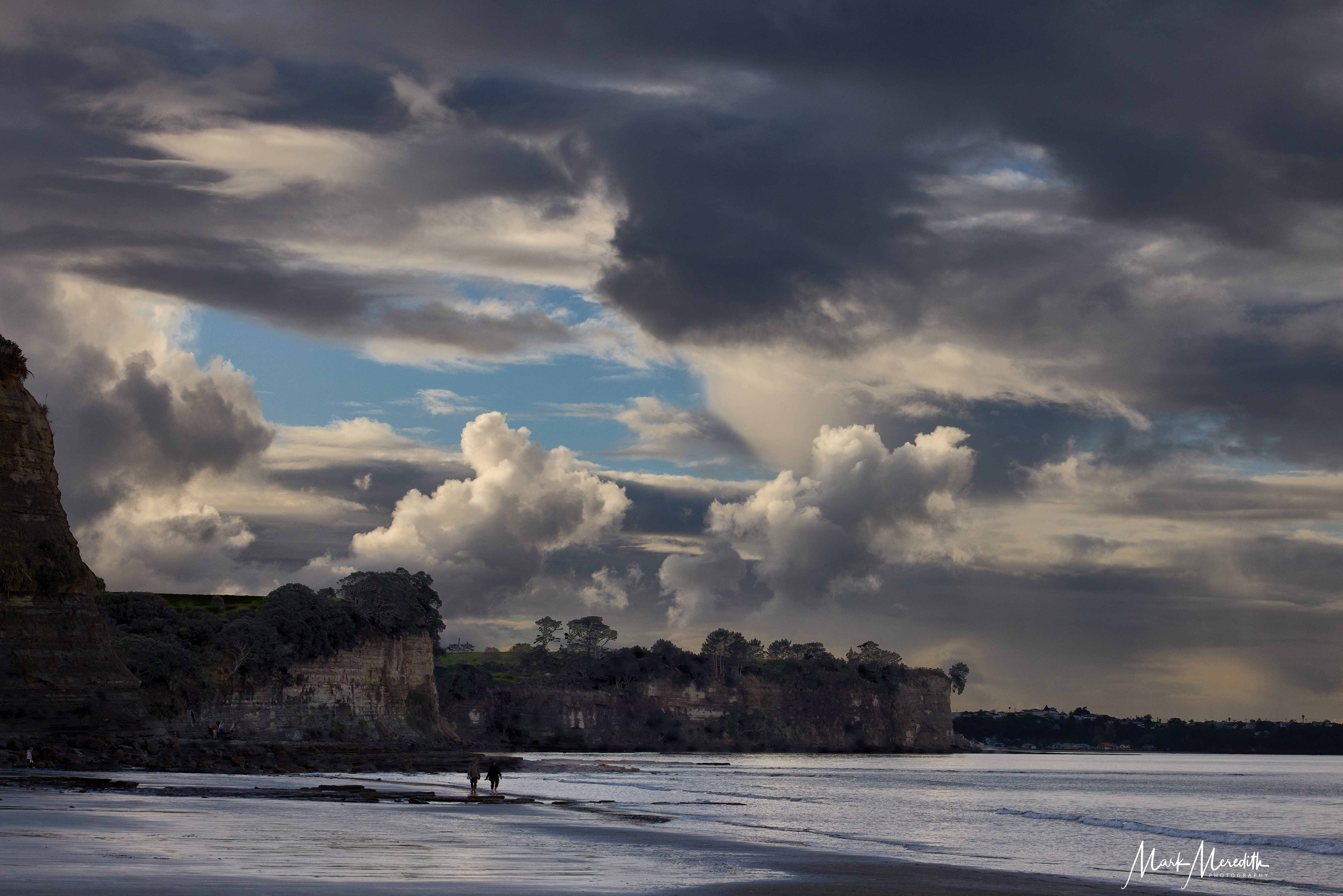

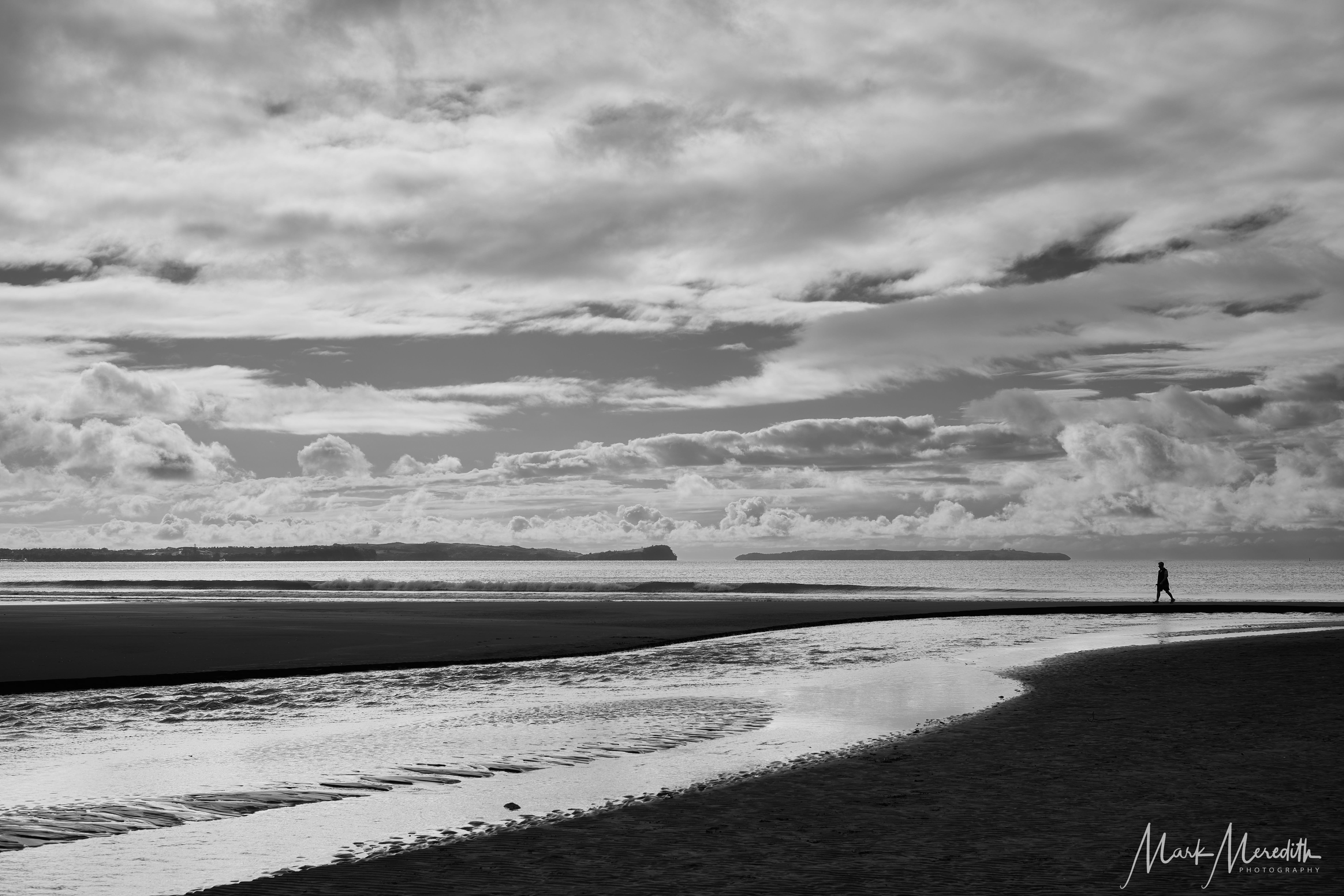
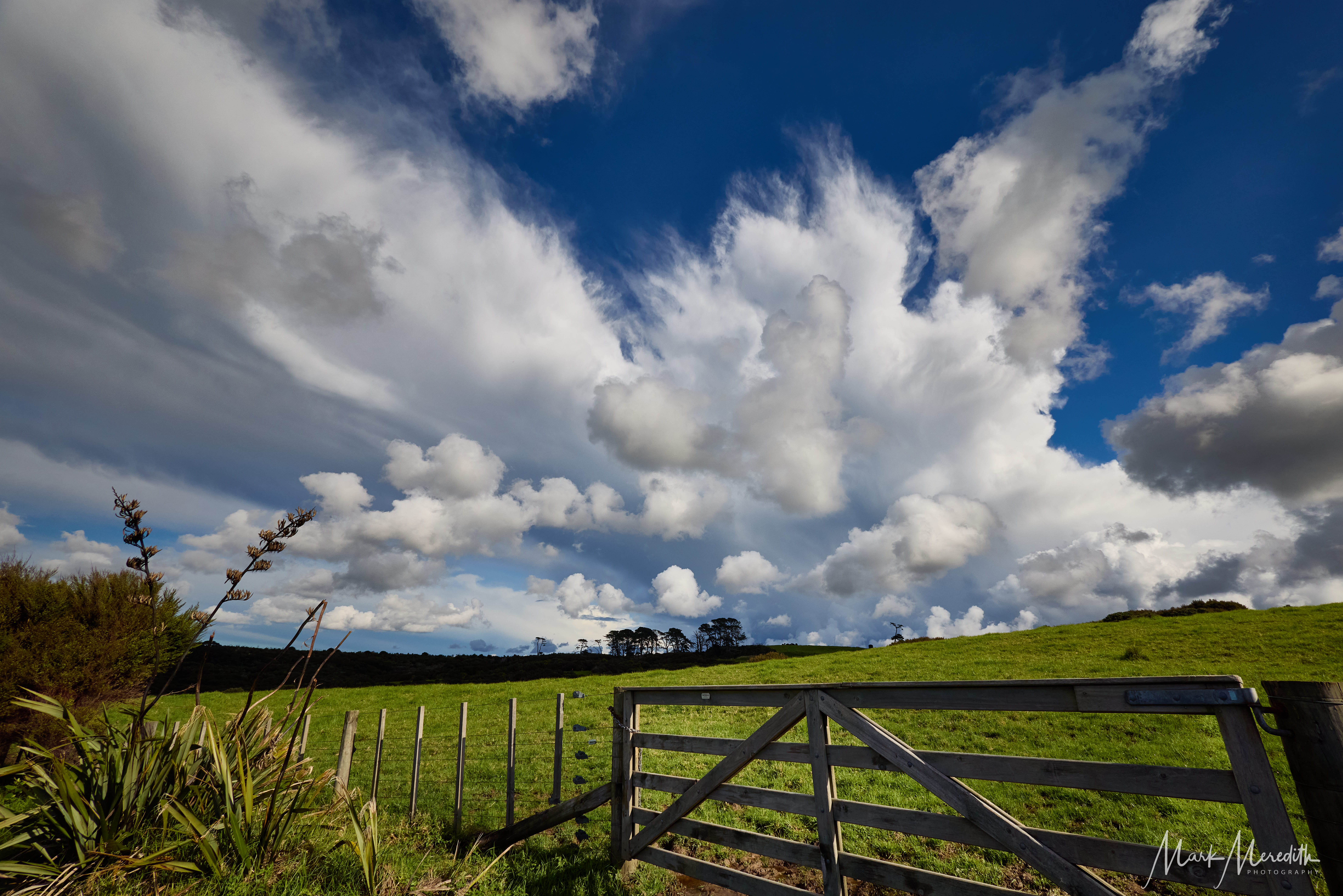
Even in an Auckland winter – which is wet and windy, sometimes very cold with southerly gales drawn up from Antarctica, other times wet and mild from northern tropical weather systems dumping their load on us and moving off east – it is worth getting out and about in the breaks between one weather front and the next. My exercise is taken along the coast and hills of Long Bay Regional Park, a five minute ride from us. I love it more in summer obviously, but from a photographic standpoint winter wins hands down thanks to these weather systems approaching and clearing. The coastal dynamics change Long Bay beach’s appearance with regularity: storm surges washing away huge volumes of sand, exposing unusual volcanic rock formations I last saw 10 years ago; gentle Vaughan’s Stream turned from gentle trickle to torrent carving its way through the sand to the sea.
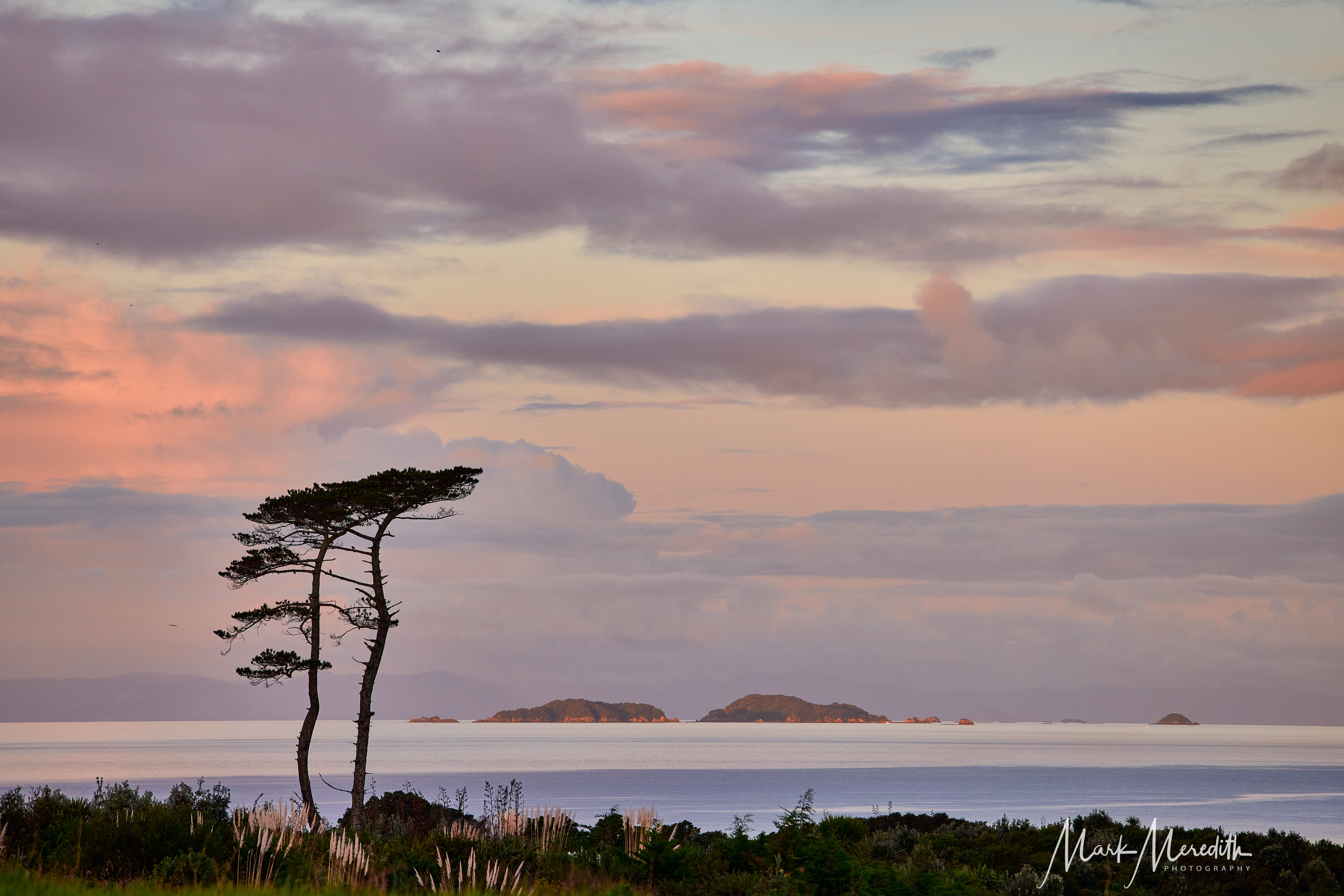
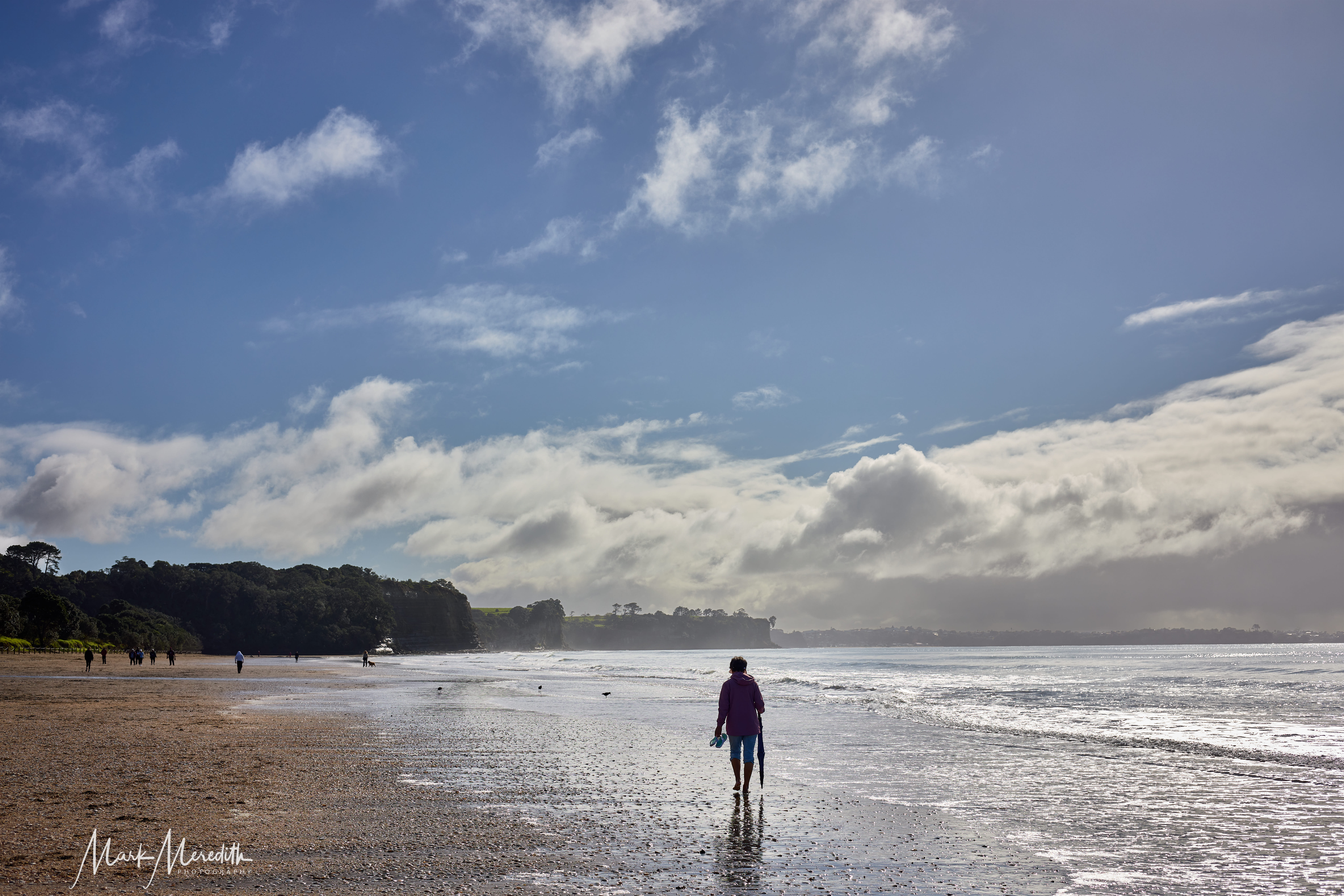
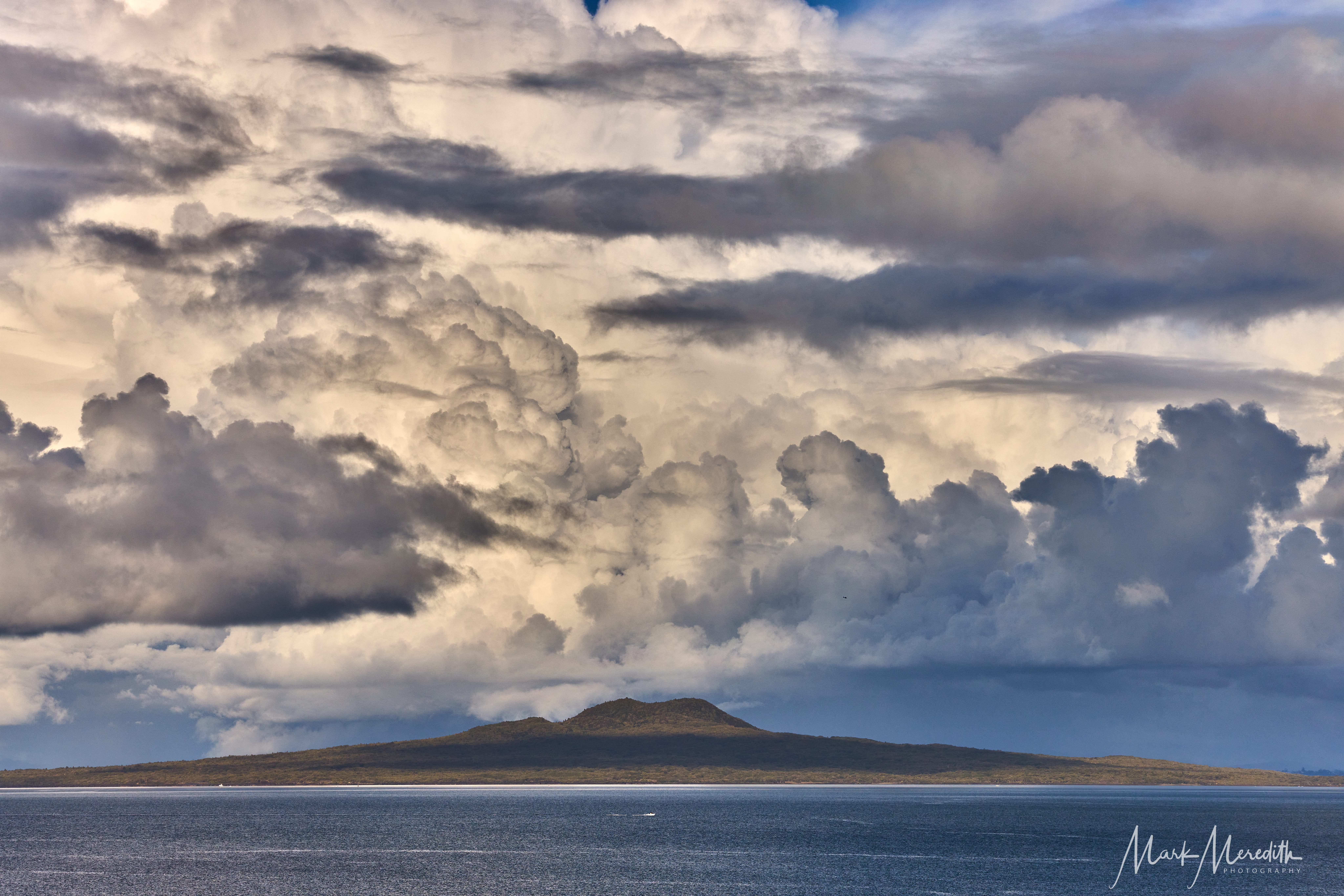


My walks in Long Bay Park have been given new purpose: to look out for birds to focus upon with a new, lightweight telephoto lens driven by the amazing tracking ability of my Canon R5. It’s an addictive, tricky pursuit and difficult these days to get down on my creaking joints for low angle shots.
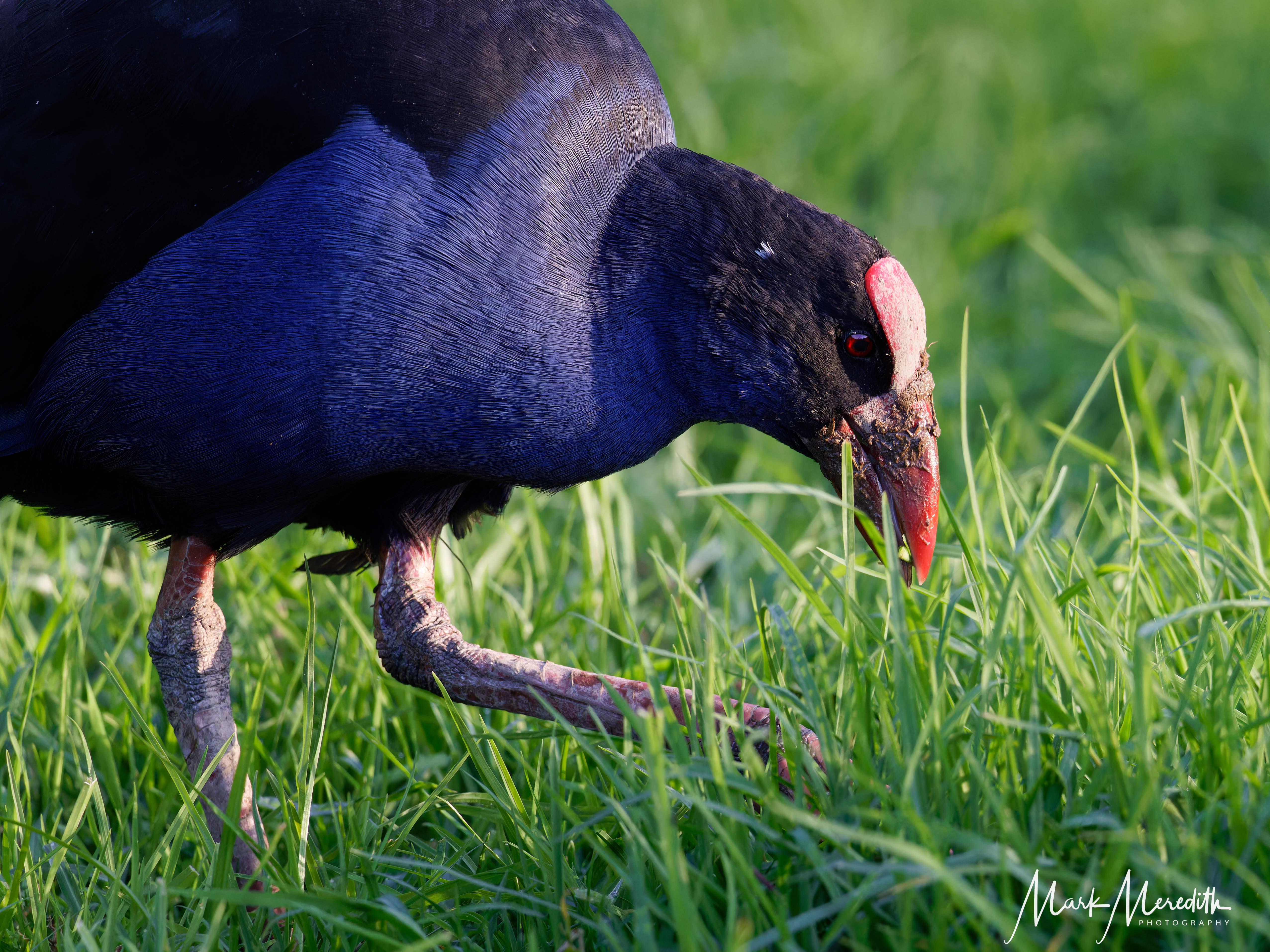
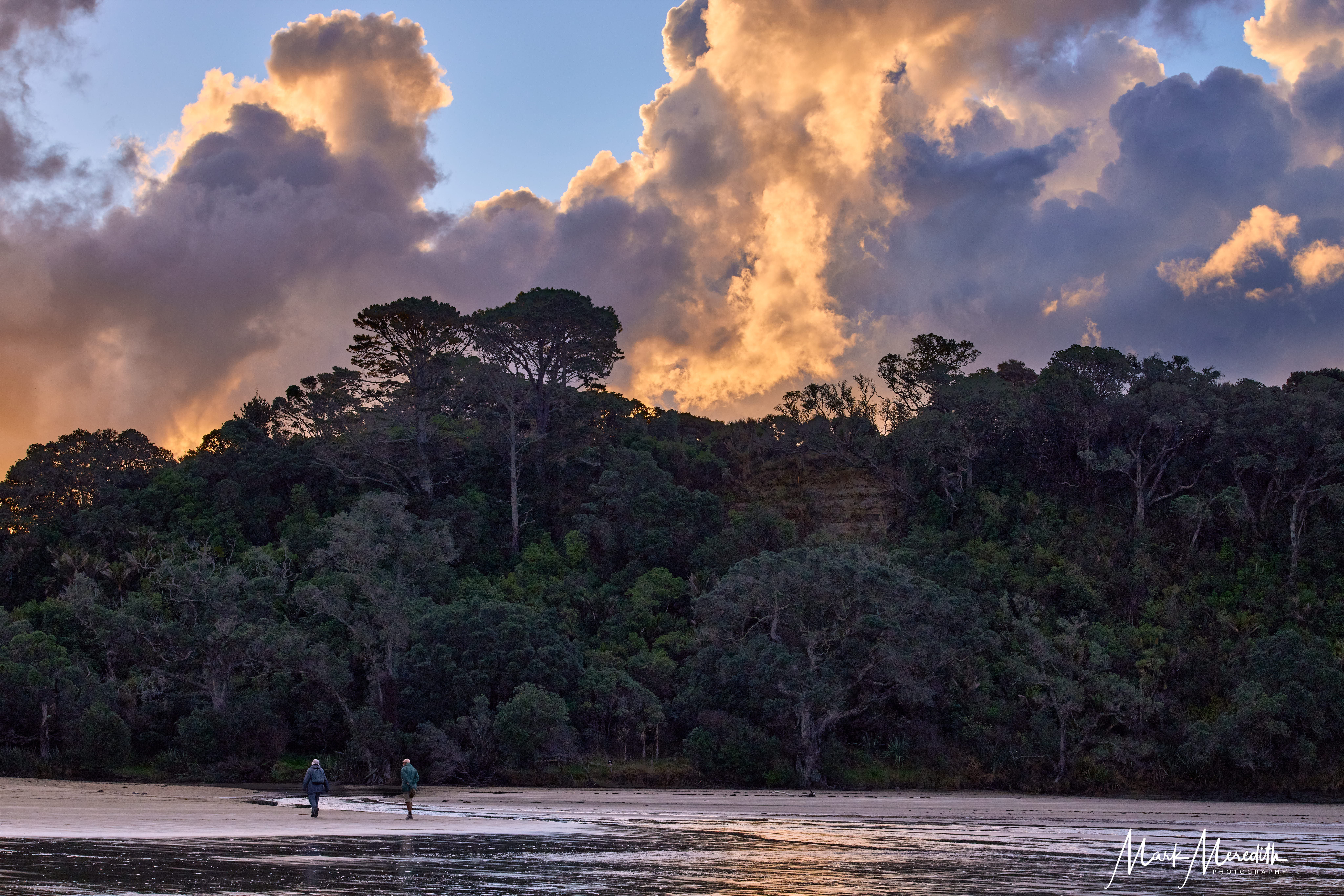
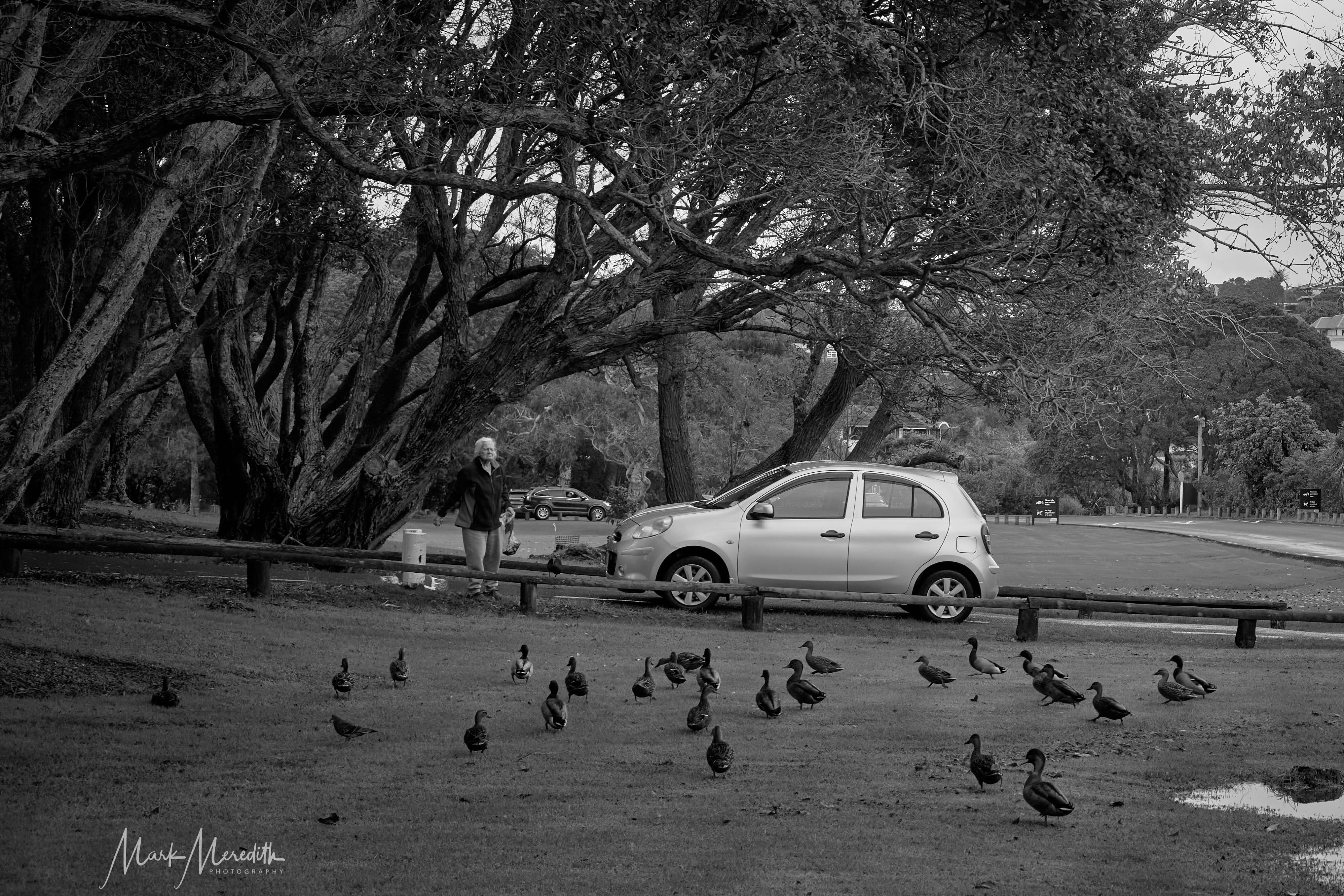
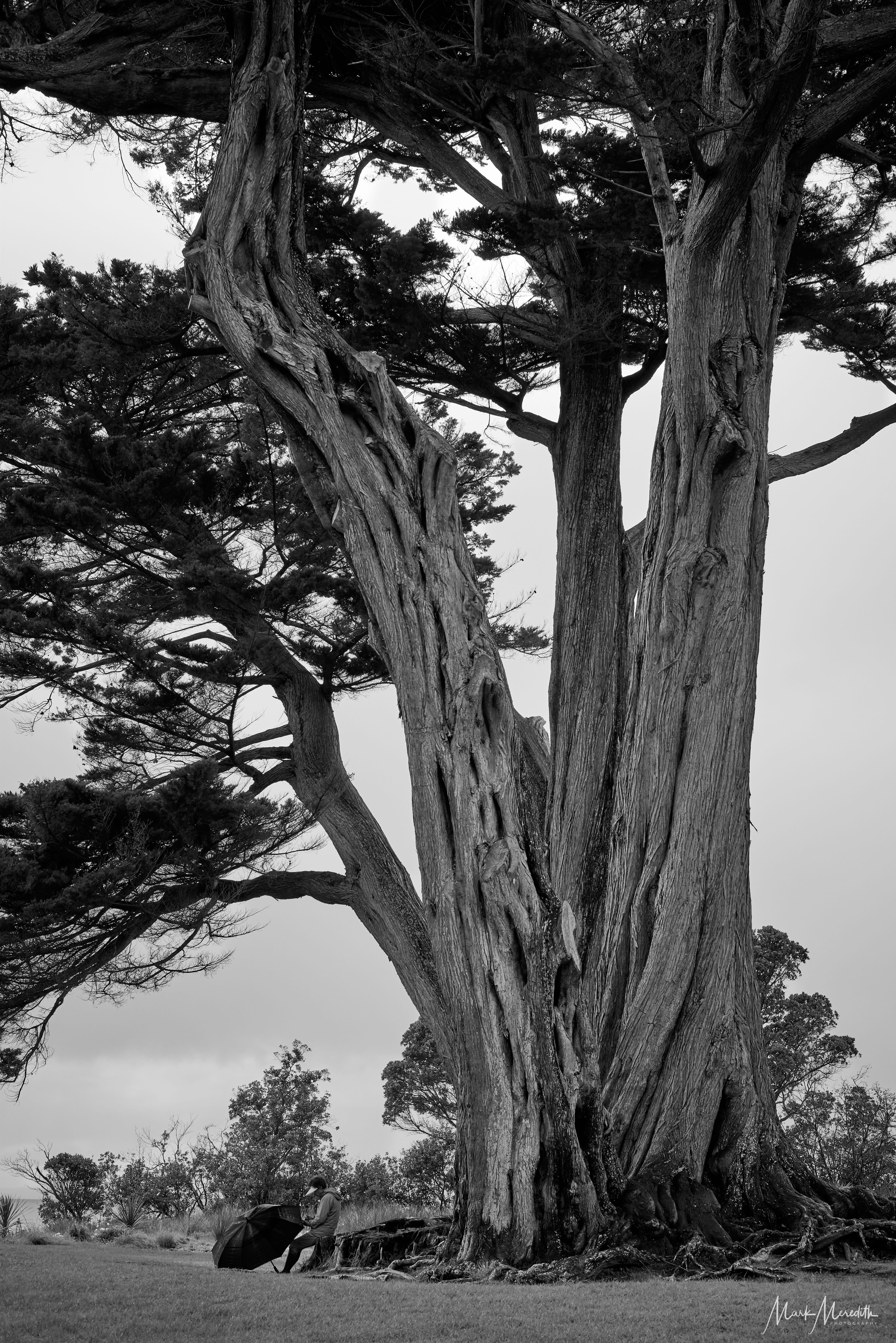
I set off through Long Bay’s pōhutukawa trees and beachside parkland, along its winding tracks hedged in by manuka, or on the “green cathedral” Nature Walk with its puriri and pōhutukawa trees, kauris and nikau palms, by the river and up and down the hills with their expansive vistas over the Hauraki Gulf along the coastal cliff paths, down to Granny’s Bay and Long Bay Beach. I find waterfowl, paradise ducks and herons, black swans, kingfishers, pūkekos, kererū, fantails, Australian magpies and the rainbow flashes of rosellas, a parakeet, also from over the ditch. And rabbits, hedgehogs, blackbirds, thrushes and goldfinch, just to remind me of England.
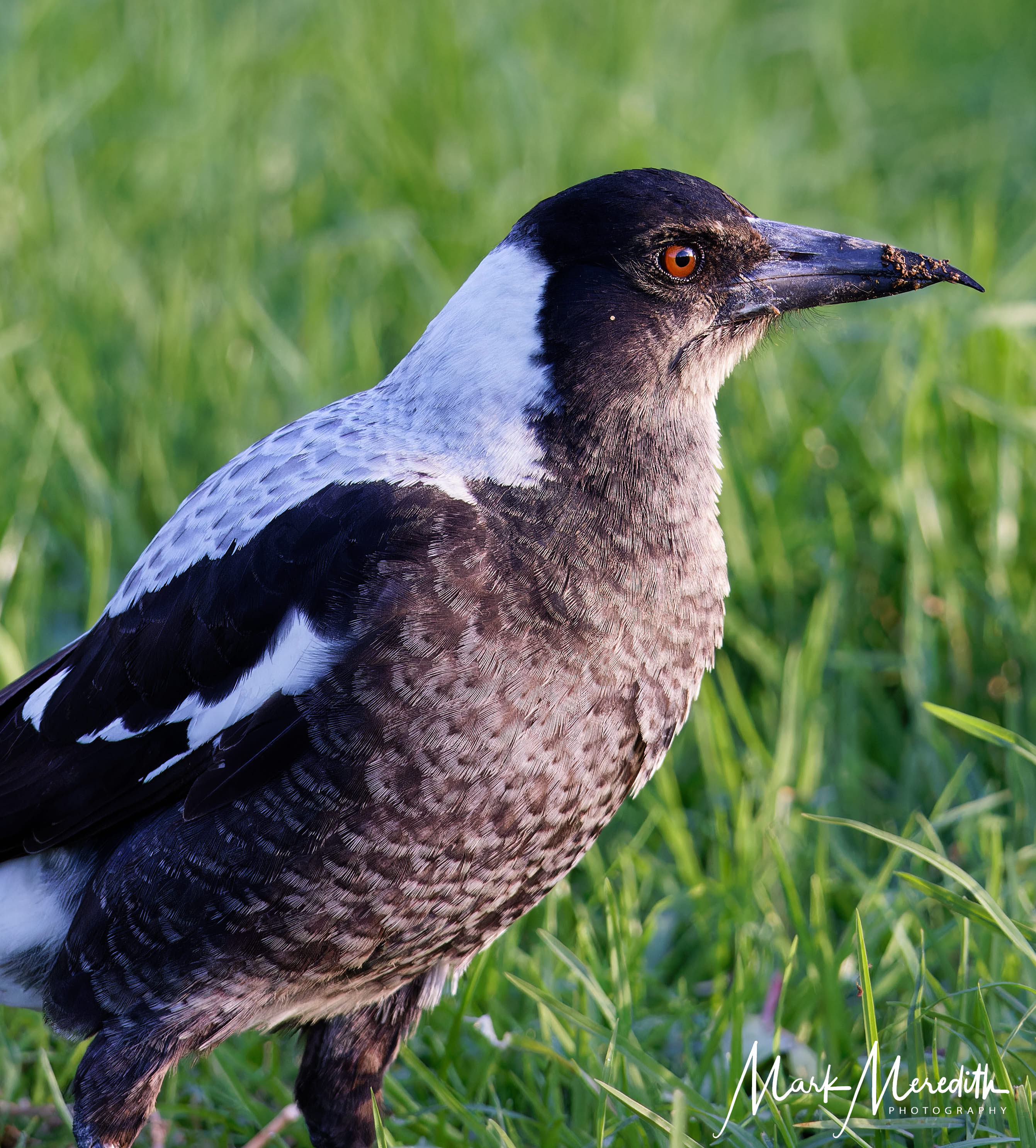
(Gymnorhina tibicen), is a common and conspicuous inhabitant of open country throughout much of New Zealand. It was introduced from Australia and Tasmania between 1864 and 1874, mainly to control insect pests.


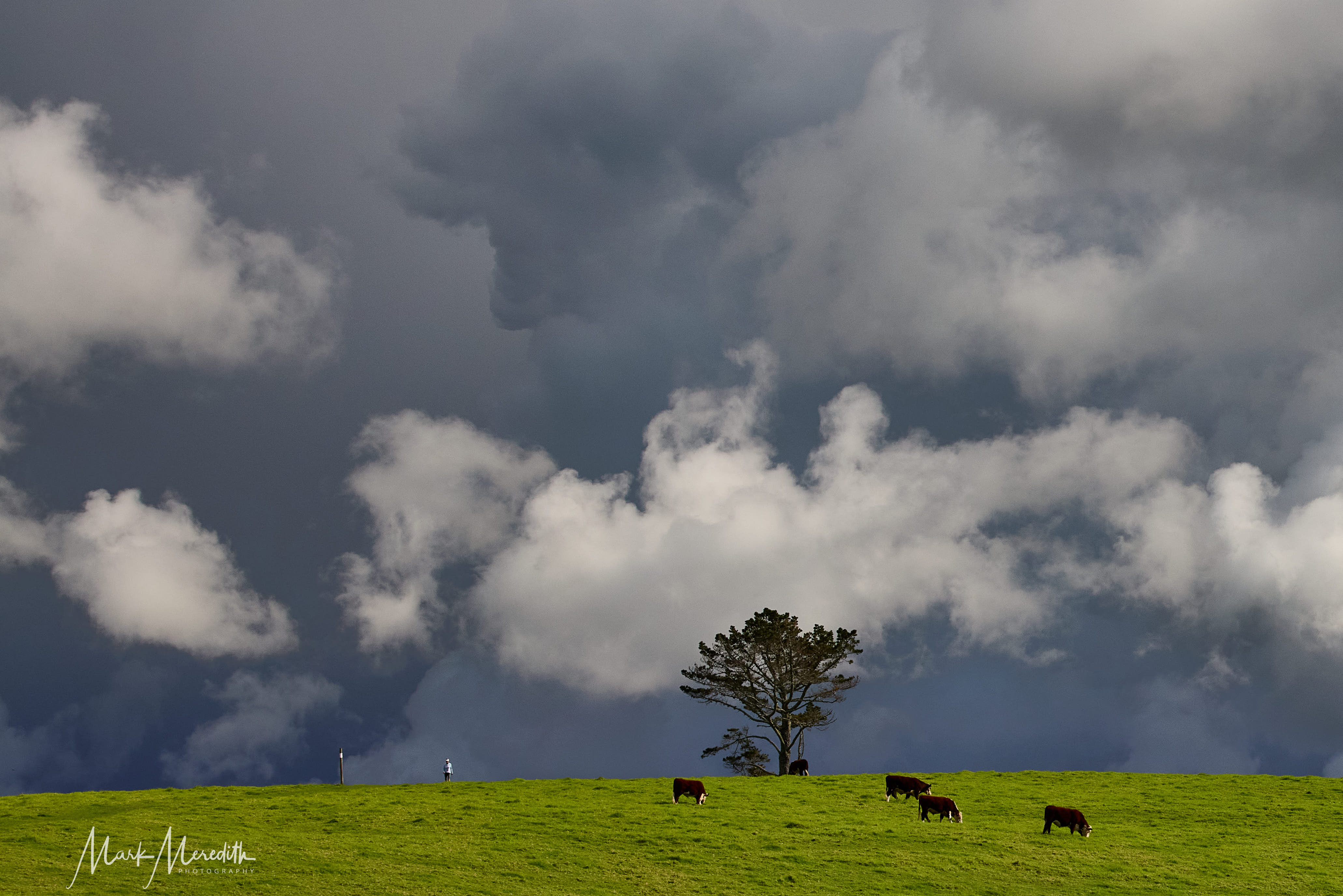
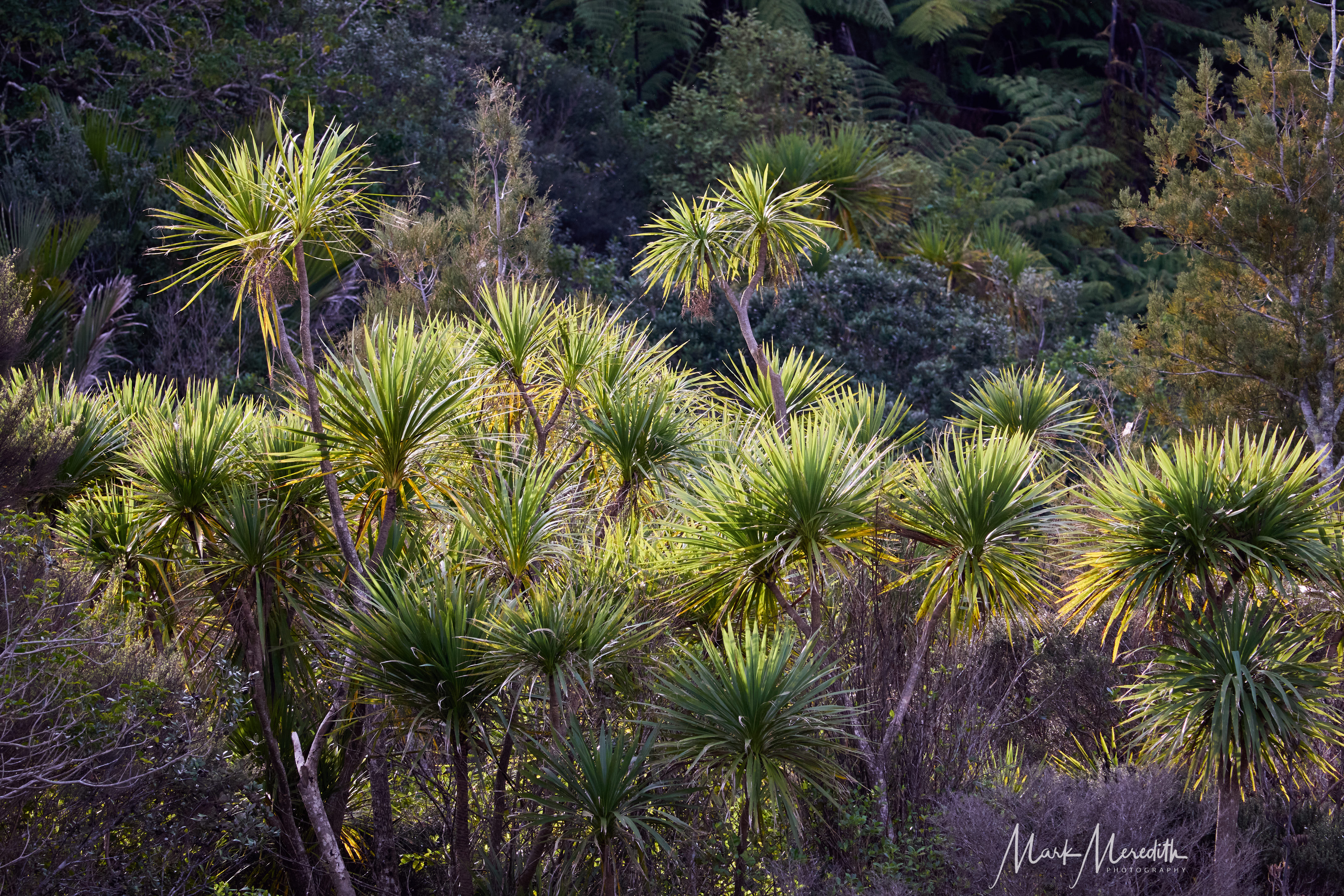
Long Bay, Granny’s Bay, and Pōhutukawa Bay are part of a marine reserve which encompasses the adjoining Okura Estuary. The reserve has suffered from sediment overloads in very wet weather over the past decade partly as a result of the construction of Long Bay Village, which is not really an apt description given its sprawling size. Today the multimillion dollar prime housing sections sit on the ridge line overlooking the park and ocean in what, when we arrived in New Zealand in 2006, were fields dotted with cows. You have to go for a walk up the hills to see cows in a rural landscape now. On the plus side the development has created boardwalks, paths, wetland areas with cabbage trees, flax and retention ponds which are a magnet for waterfowl.
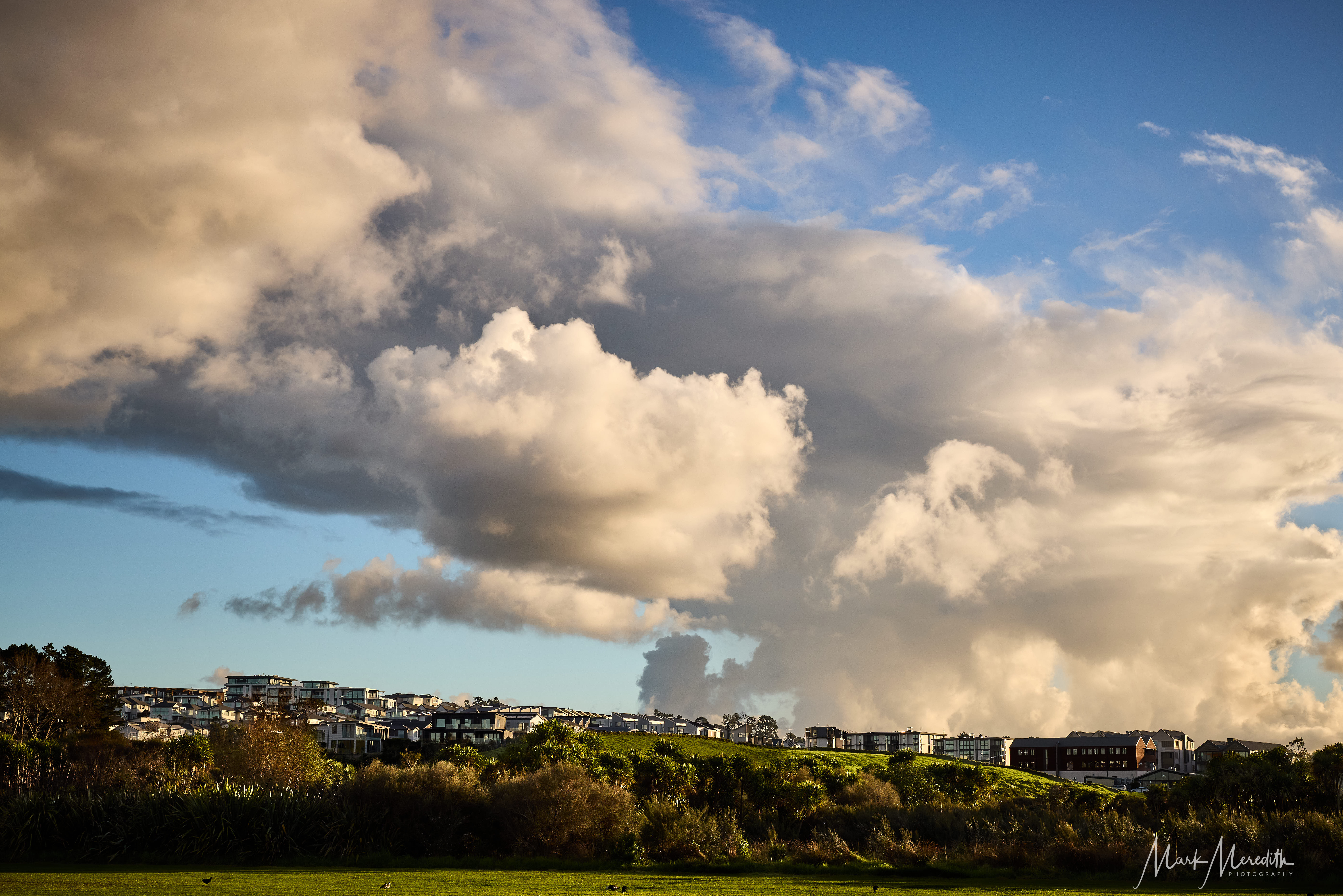
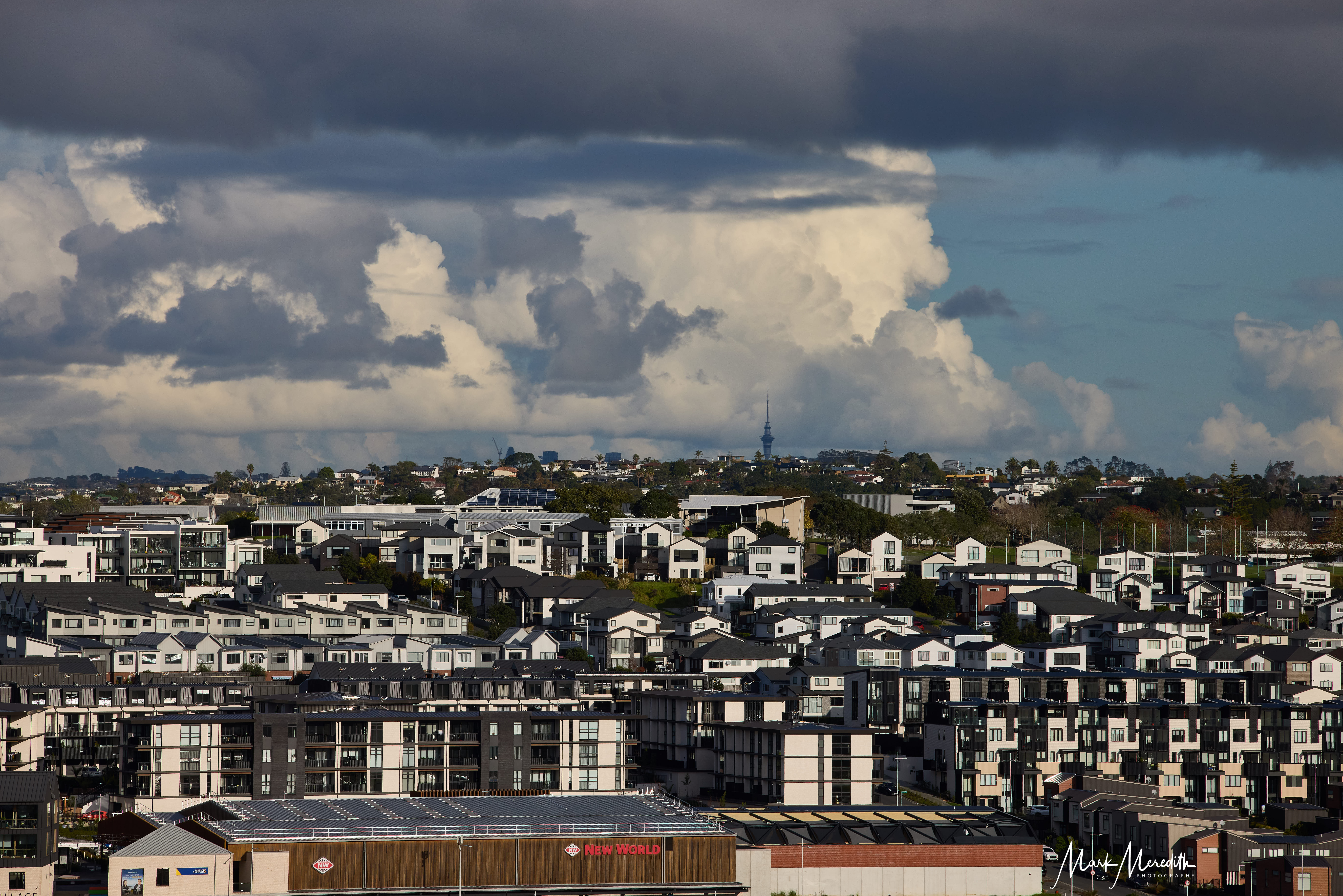
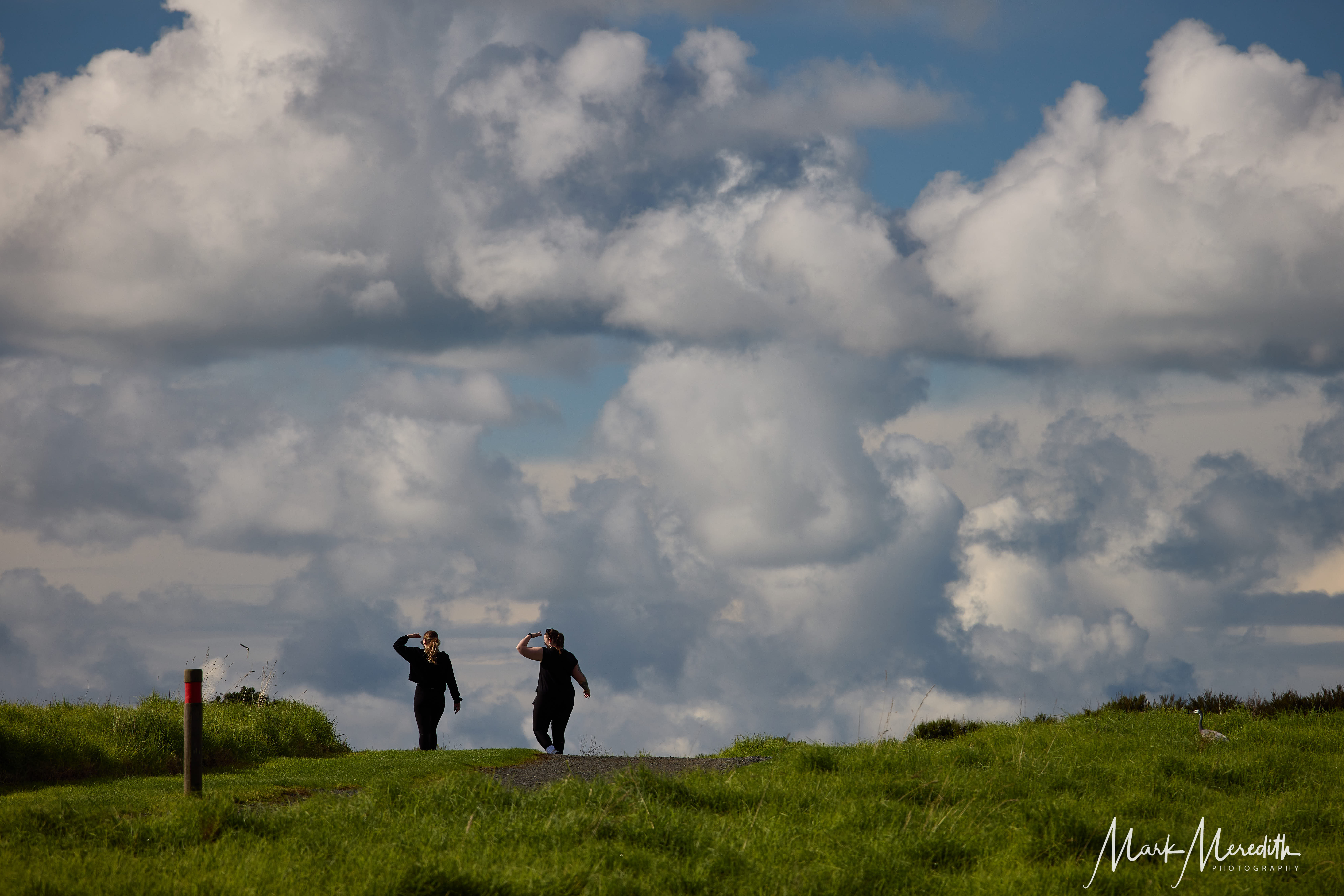
I no longer resent the imposition of modern housing on Long Bay’s hills . What’s the point? It’s done. Thanks to the 2018 Environment Court ruling, its intended sprawl – which would have gone over the hills and all the way down to the Okura Estuary – has been stopped. Long Bay Village has its boundaries, and the developers are making the most of every inch. It has been interesting to see the growth of this suburb, the way such dense housing has slowly covered Long Bay’s hills. With its shops and restaurants a lively and welcome vibe has arrived at this outpost on the city limits of Auckland’s North Shore. In spite of some of the aesthetics, I rather envy those living in walking distance to my favourite park. If I could afford a new house with a view here it would be a no-brainer. I feel blessed to have this park on my doorstep and thought you might like to see what you’re missing. These photos were taken in the last couple of months.




 Photos, Newspaper & Magazine Articles, Travels