
LOCATION, LOCATION, LOCATION! Tobago has it all, in spades, if it chooses the right tourism for the appropriate locations. This feature from Trinidad’s Sunday Express explores the fantastic possibilities of keeping Tobago’s Rocky Point and Buccoo as nature attractions while redeveloping the sites of failed hotels along the same coastline for luxury tourism. This blog version has more photographs, emphasising the options available for Tobago’s unique brand.
Click on the Express pdf link to view (or to download) and photos below for fullscreen view
What type of tourism should Tobago seek to attract which best suits, showcases and sustains its natural attributes and safeguards its economic future? MARK MEREDITH takes a journey along a controversial and neglected coastline and discovers that Tobago does not need to make a binary choice between ecotourism and luxury beach resorts. It can have both by preserving and promoting its wilderness areas while reinventing Tobago’s sun and sand tourism, favoured by the last government, on the neglected prime sites which already exist
THE SHIRVAN ROAD marks the start of an adventure, a journey which rewards the traveller with one of the Caribbean’s most spectacular and interesting coastal routes, running all the way up the scenic mountainous west of the island to Charlotteville.
Its beginnings in the southwest include the most important stretch of coastline in Tobago, bar Crown Point, which should be the pulsing hub of the island’s tourism industry. But today that heartbeat barely registers.
I wanted to revisit areas that shone during Tobago’s tourism heyday, when hotels were busy and optimism smiled upon the sister isle; to understand why those sites should not thrive again under new direction or ownership.
My plan was to travel the Shirvan Road through Mt Irvine, Stonehaven and Grand Courland Bays to Plymouth, where it becomes the Arnos Vale Road which leads to, well, something extraordinary.
Finally I would stop at the two remaining wilderness areas left in Tobago’s southwest, Rocky Point and the Buccoo/Bon Accord Lagoon Complex, both of which had been left alone during the “tourism years” because the best sites for building hotels and resorts on this coast were elsewhere.
It was an inauspicious start.
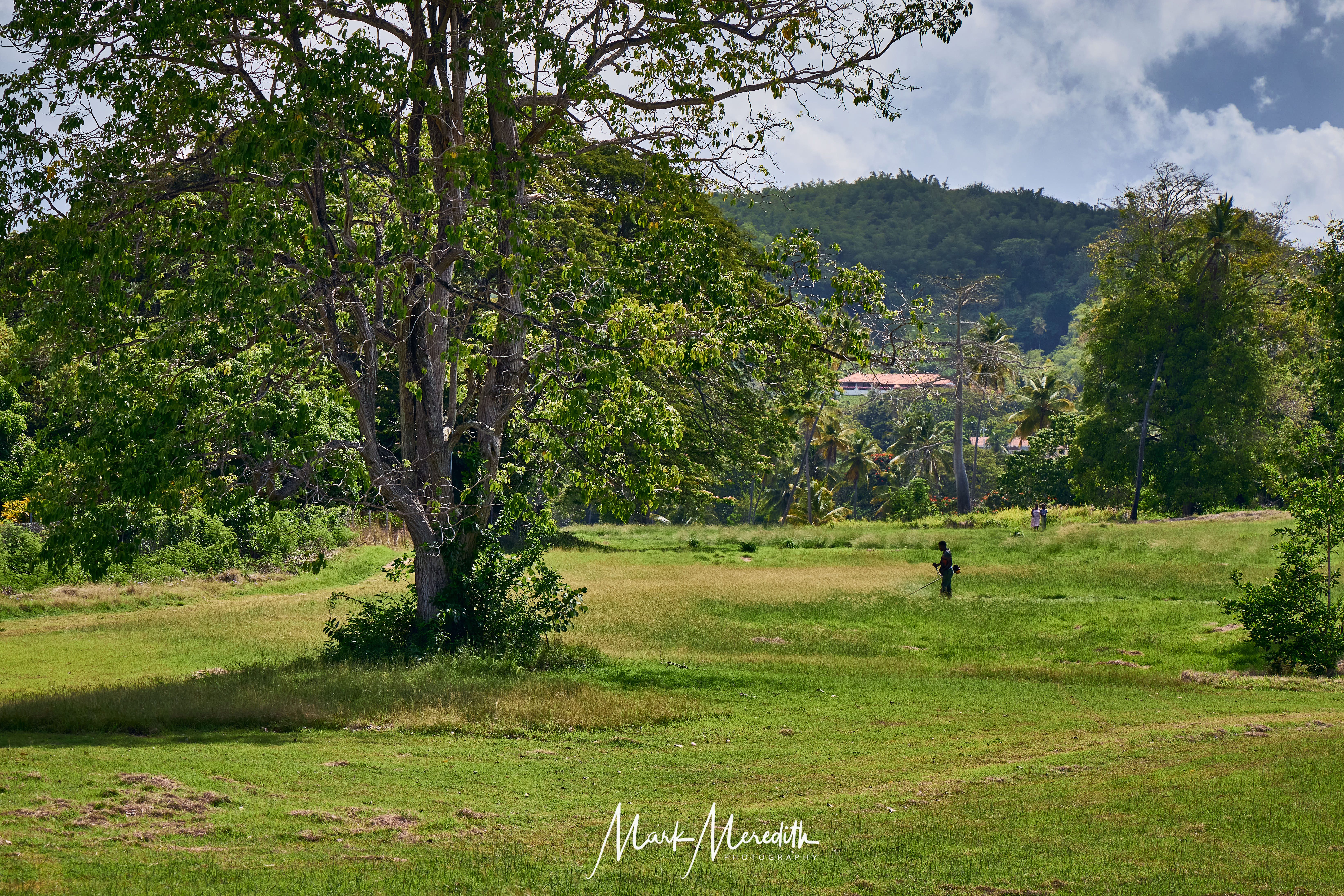
On the very fairway I once eagled Mt Irvine Bay Hotel and Golf Club’s par 5, 16th hole, a man was knee-deep in grass with his whacker rhythmically sweeping the machine from side to side trimming what was now a pasture.
Twenty years previously, writing for UK Golfer magazine, I found more grass in the bunkers than sand, but now those have vanished altogether, mounds and craters of vegetation almost as anonymous as the “greens” which were now invisible.
The only clue Tobago’s most famous and awarded (championship) golf course – once a member of an exclusive club itself, the “Best 100 courses in the world”, and host of the Johnny Walker International Pro-Am – ever existed are the old tee-box markers proudly bearing the Mt Irvine Bay GC name and logo.

Acres of tall coconut trees still sway majestically in the ocean breezes, and the spectacular views from the elevated section of the course down through fairway valleys lined with palms to the sea remains unrivalled.
But the magnificent setting is the only positive to take here.
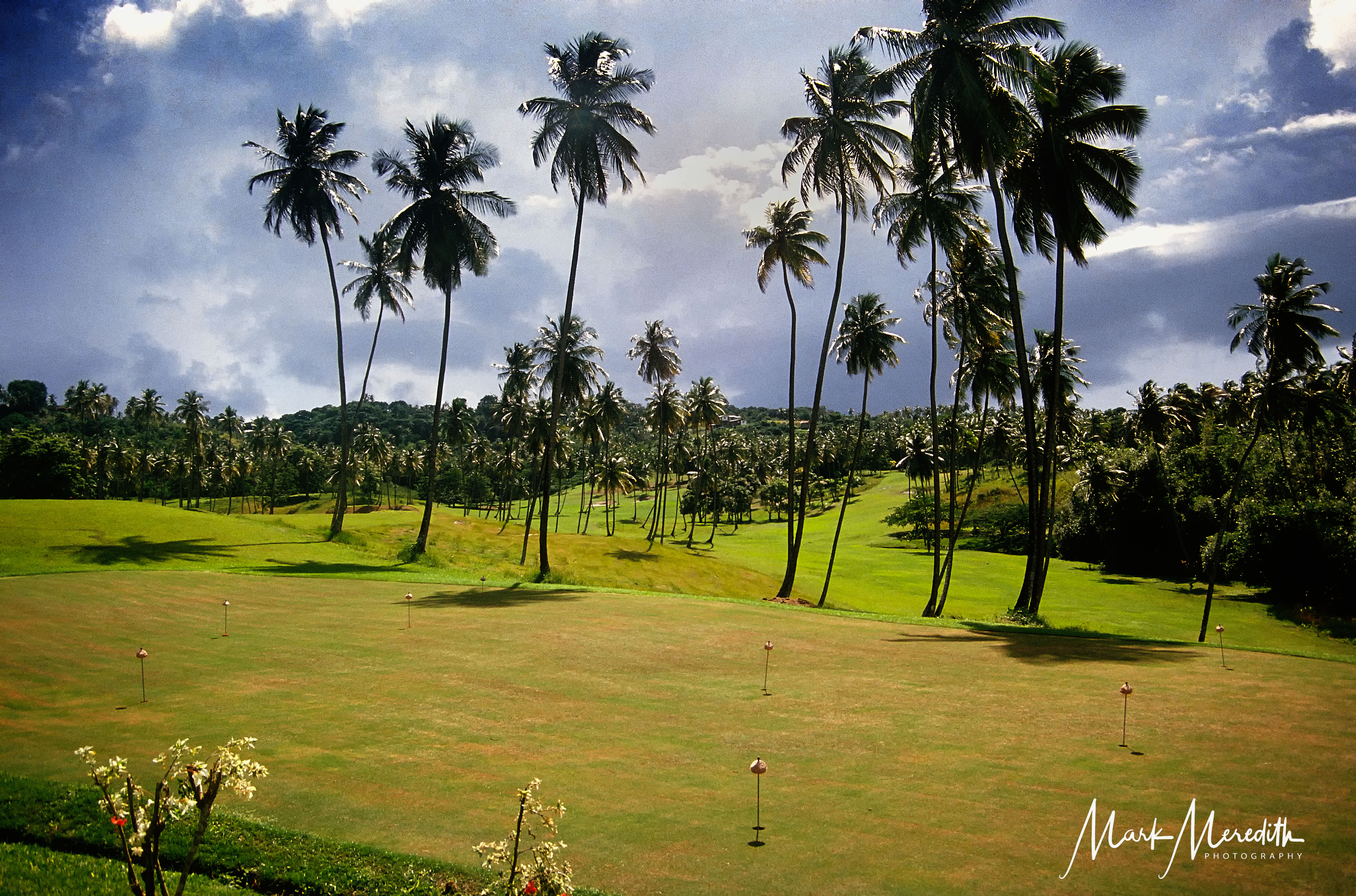
By the elevated first tee and abandoned clubhouse, the view south is of another abandoned building, this one unfinished, six-storeys of raw concrete hideousness despoiling the landscape, like a giant tombstone. Which is fitting, if you consider.
Mt Irvine Bay Hotel, like its golf course, is a ghost of its former self, its iconic sugar mill serving only to conjure nostalgic memories of happy days long past: its busy forecourt, tourists coming and going, golf carts buzzing about, rum cocktails by the pool.
It once boasted of being a “favourite with the international jet set” and “a location for Hollywood movies”, while “the world’s best professional and amateur golfers flocked to the golf course and celebrities vacationed at the hotel . . .”
Now, everything appeared silent and deserted.
From the Shirvan Road the view of the hotel was of curtains pulled over empty cabana windows, while the only signs of life were at its beach whose bar was doing slow business.
A prominent former Tobago tourism professional – and frustrated critic of failed tourism policy – told me Mt Irvine was the first fully integrated resort development in the region, a “cutting edge” golf holiday destination (I sold UK golf packages there) in a location which was now going to waste.
He said the actual hotel is “very old and should be completely replaced and rebuilt”, also suggesting it may “be a bit small” for Sandals due to the amount of water concessions they offered, but that the proposed Marriott hotel could “certainly replace the existing hotel” – if the owner was interested in restoring Mt Irvine’s fortunes, of course.
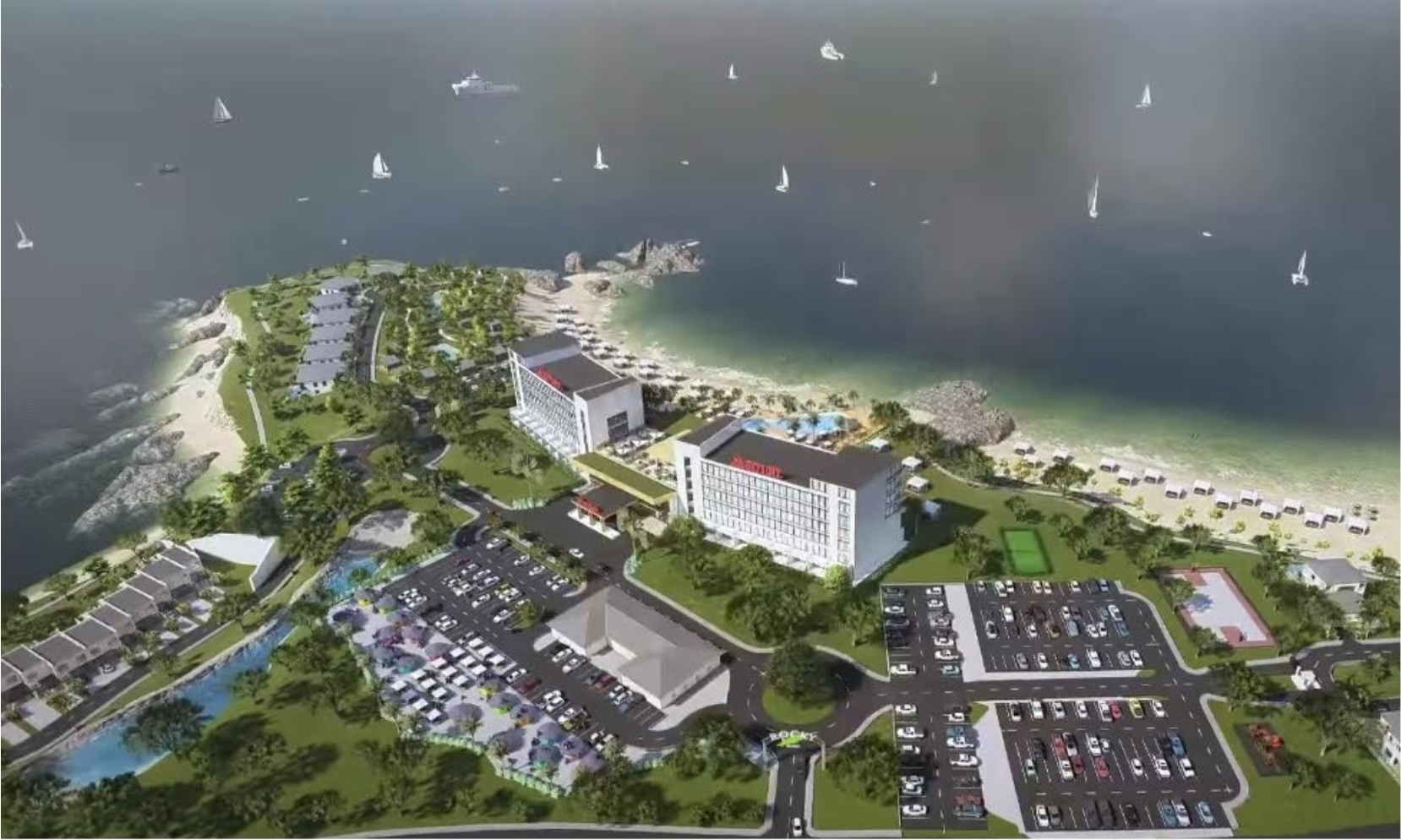
Instead, nearly obliquely opposite this superb, ready-made hotel site is Rocky Point, the chosen location for the 200 room Marriott which, unlike the Mt Irvine site, is bedevilled by environmental and cultural controversy. Its rightful ownership is also disputed.
A few minutes past perennially busy but small Mt Irvine public beach – its own future vibe and size compromised by plans for “resort style villas, townhouses” and a hotel towering over it at Rocky Point/Back Bay – you’ll reach Stonehaven Bay and Grafton Beach and another disheartening reminder of Tobago’s lost potential.
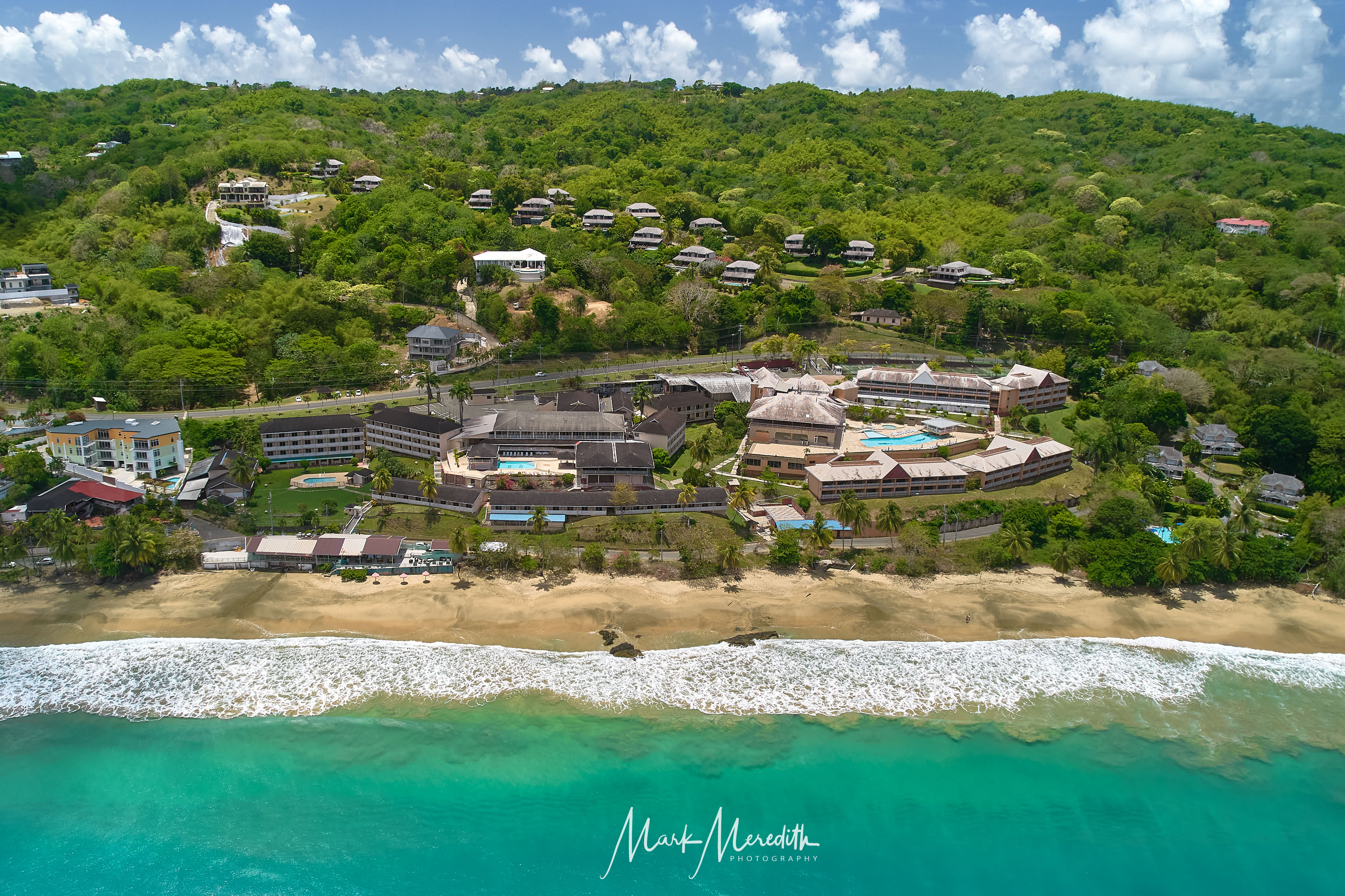
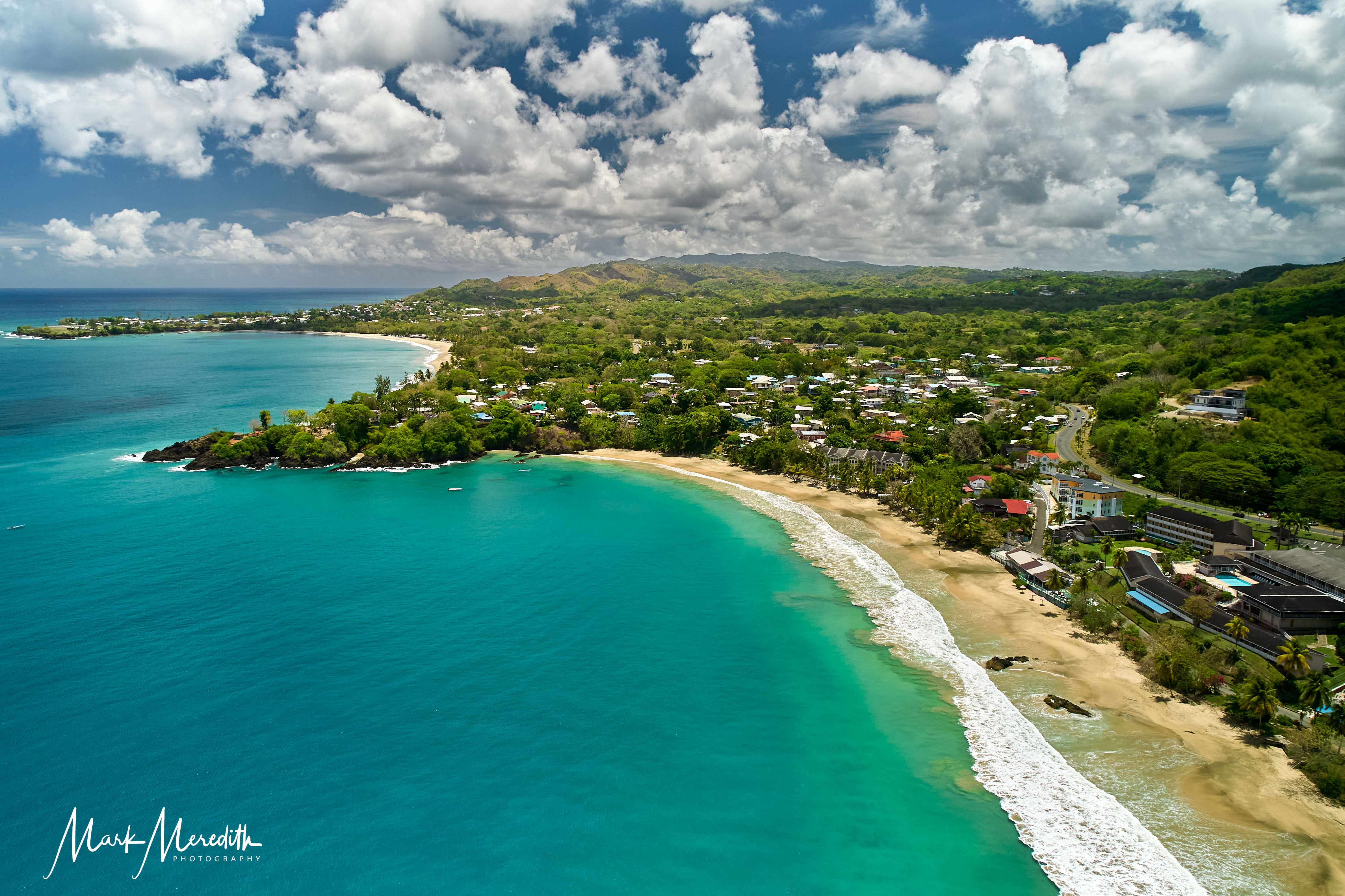
Between them it’s no wonder that Le Grand Courland and the Grafton Beach Resort appear empty and receive “mixed” notices on review sites: a “shadow of its former self’; “run down”, and “seems to be closing down”, “dirty”; “miserable staff”; while the “no bottle opener in the empty restaurant bar” stood out.
Last April two family members were the only guests at Le Grand Courland but were still refused an early check-in.
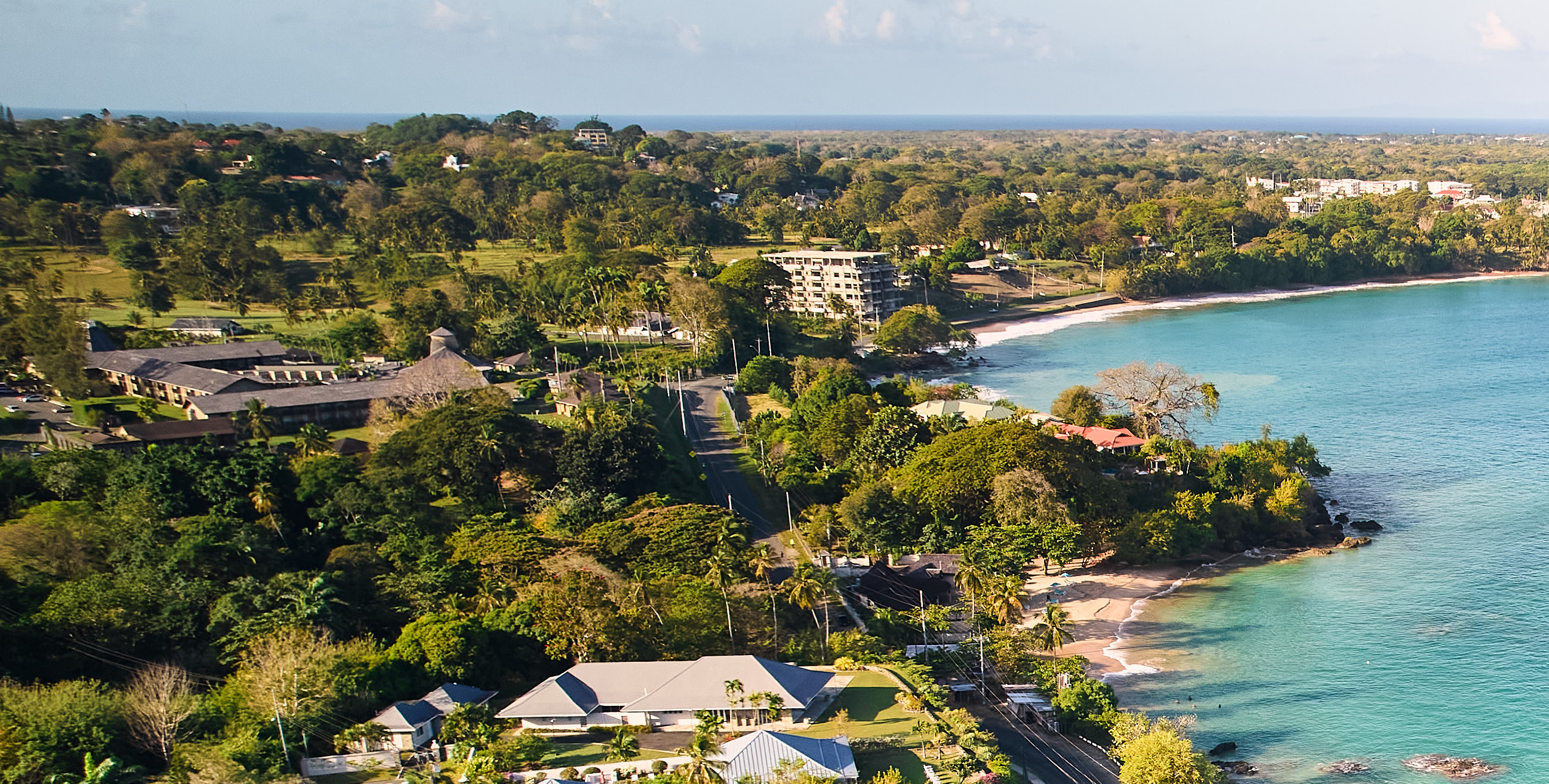
My drone sweep above the wide, beautiful bay, empty beach and faded hotels showed it isn’t just the absence of professional service that keeps tourists away from such a fantastic location.
From above, Le Grand Courland and Grafton Resort are just plain ugly: a drab, deserted collection of boxy buildings with dilapidated rooftops set in a forsaken cauldron of baking concrete. Inviting it is not. It’s as if they’ve given up, like the tourists.
Surely they’d flock back again to a brand new, reimagined resort on a large site above a sensational beach, one of Tobago’s best?
But just around the headland is Grand Courland Bay, which is more than twice as wide as Stonehaven Bay/Grafton but has just one hotel, Starfish, formerly the popular Turtle Beach Hotel. Like all the others, it is old, dated and desperately in need of a redesign and fresh start.
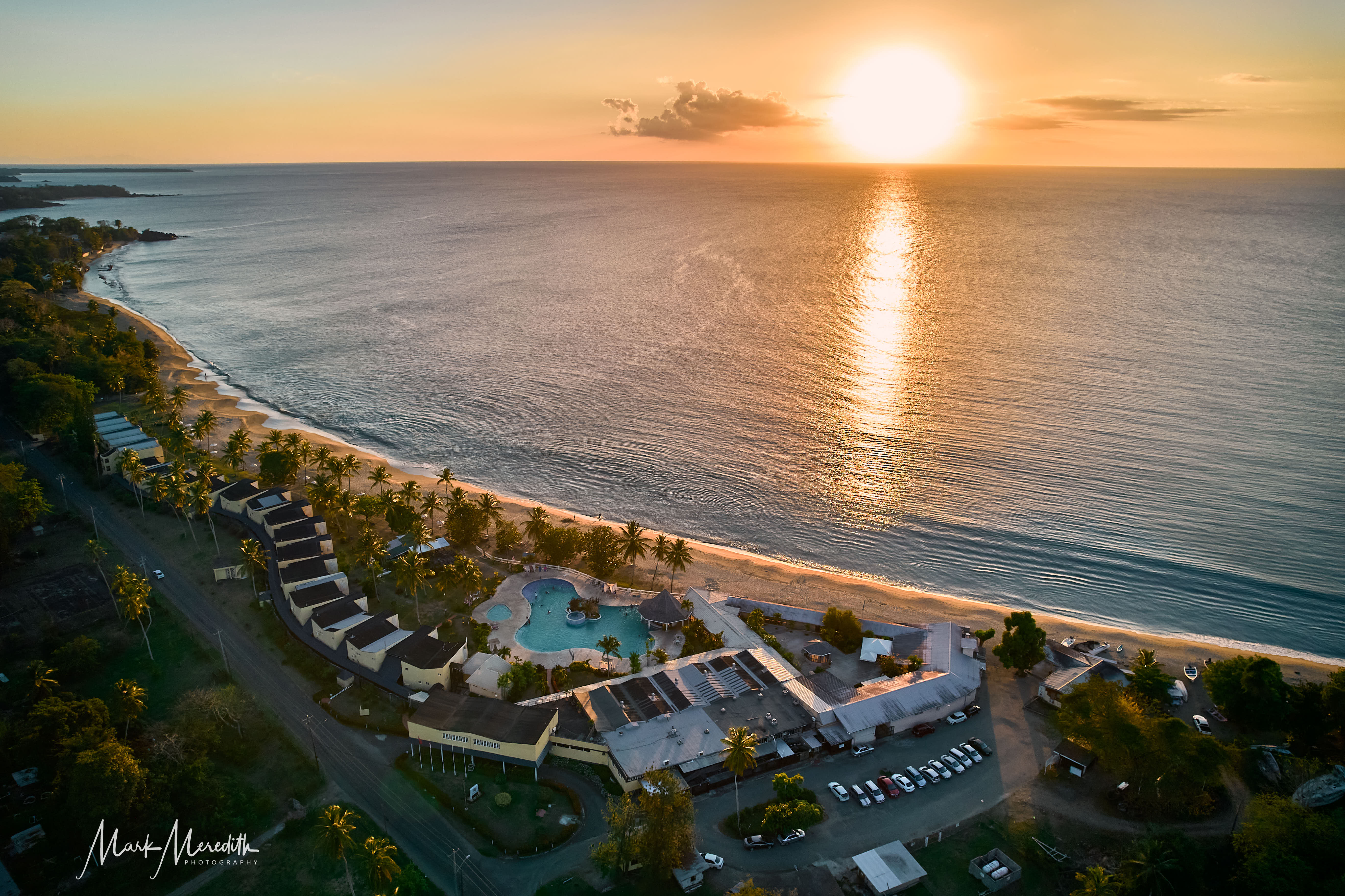
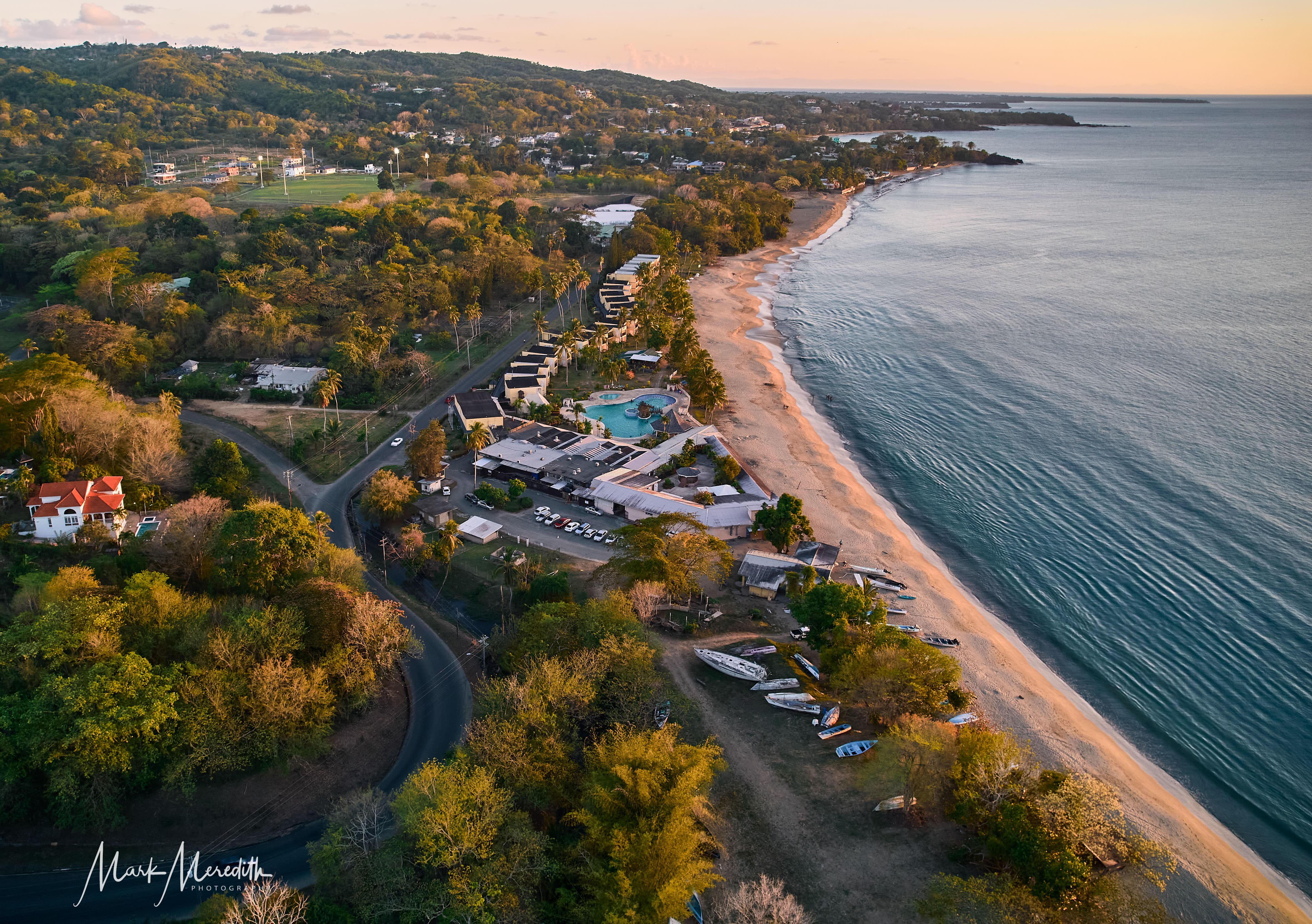
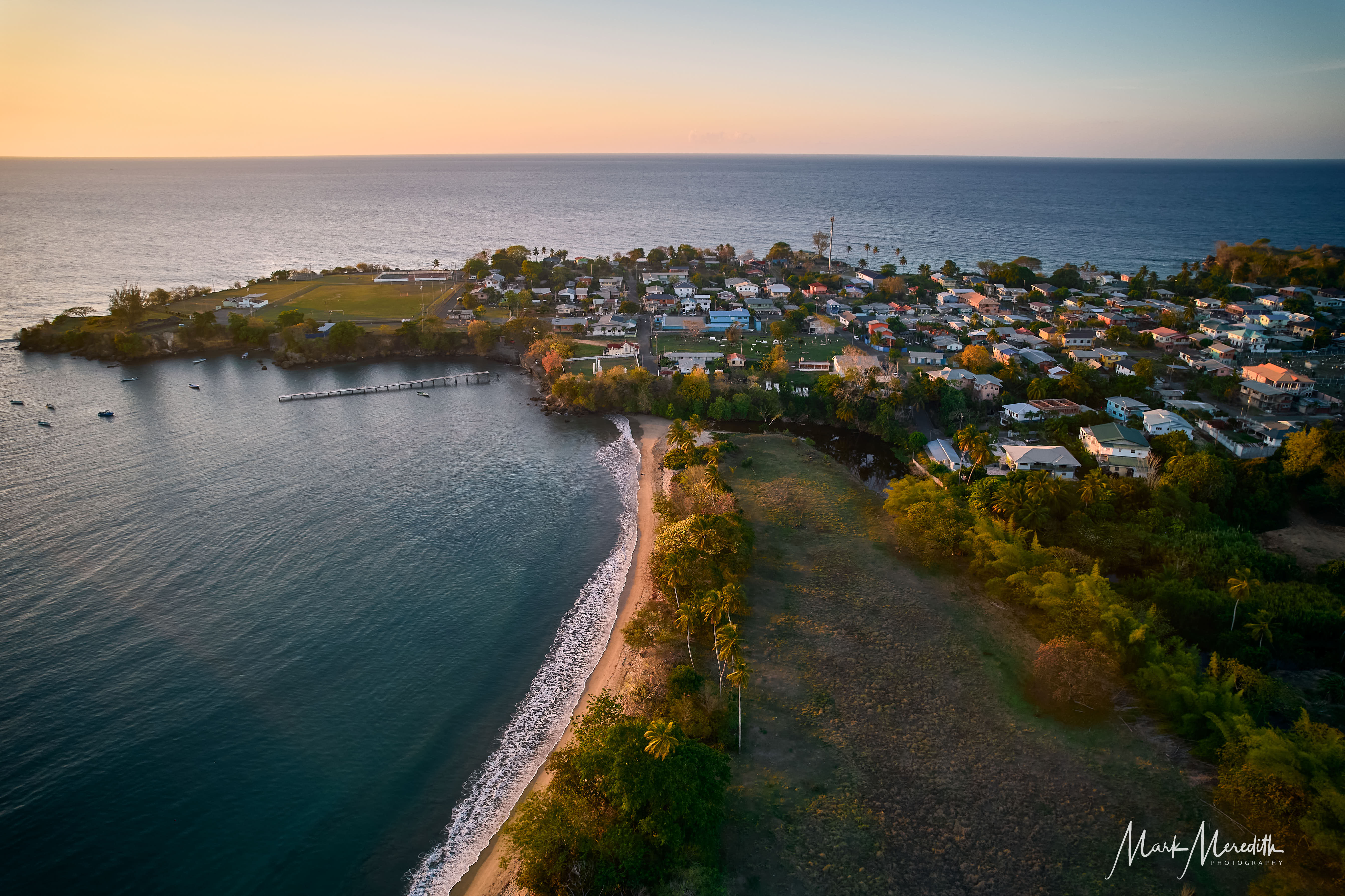
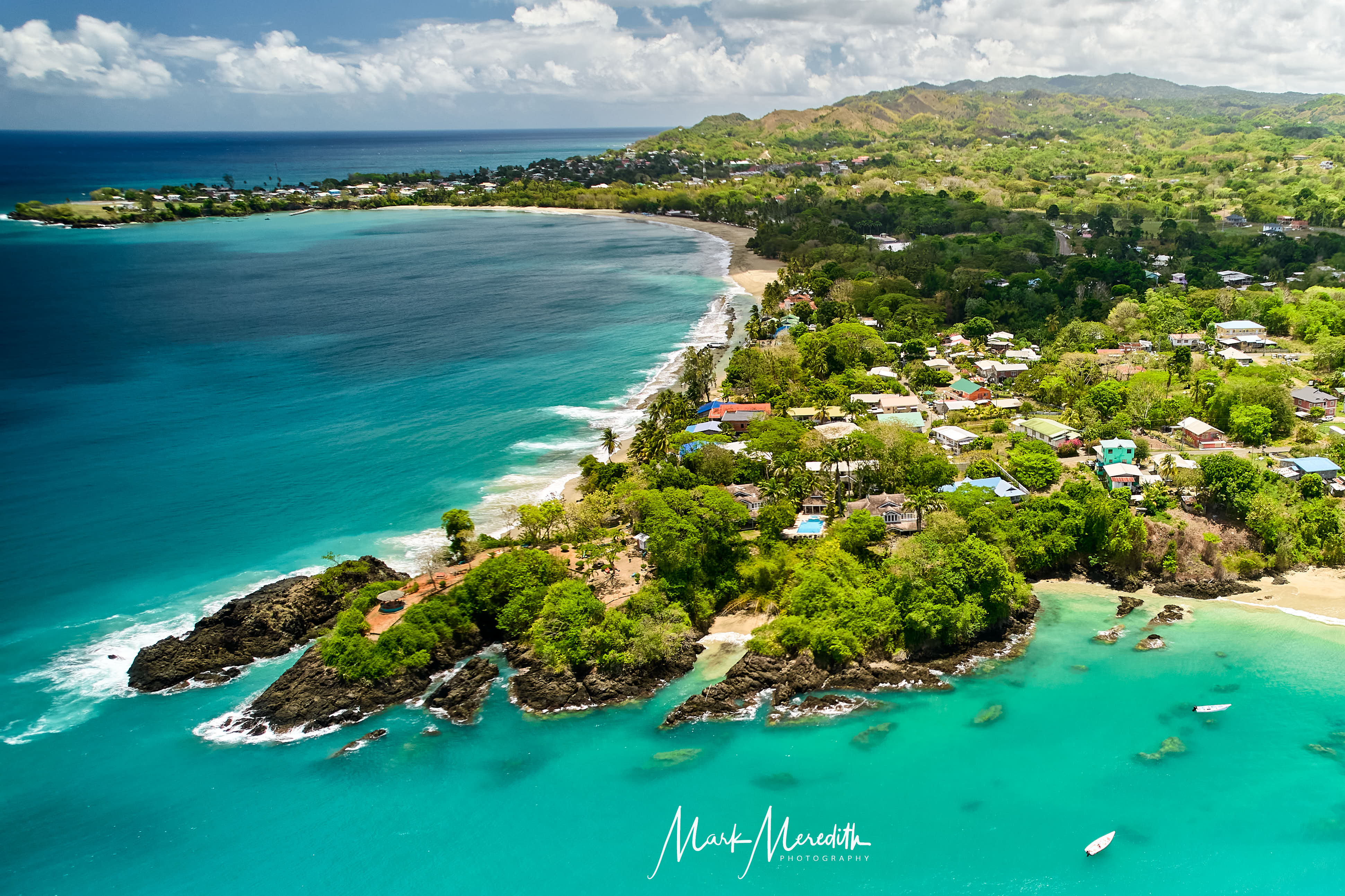

The drone view emphasised just how much unoccupied space there is here. I was told the area “could take a massive hotel south of the Starfish on the remaining bay, which is also suitable for a small marina”. Additionally, in the bay’s “northern pocket there is a large beachfront area immediately north of the existing hotel”.
A little further north at Arnos Vale, just north of Plymouth, is perhaps the most scandalous waste of coastal real estate and tourism potential in all Tobago.
I didn’t even need to drive there to see it. Because the stunning, abandoned site of the Arnos Vale Hotel, where John Lennon and Ringo Starr once stayed and partied, is starring in a variety of social media videos which ask incredulously why somewhere so wonderful is now derelict.
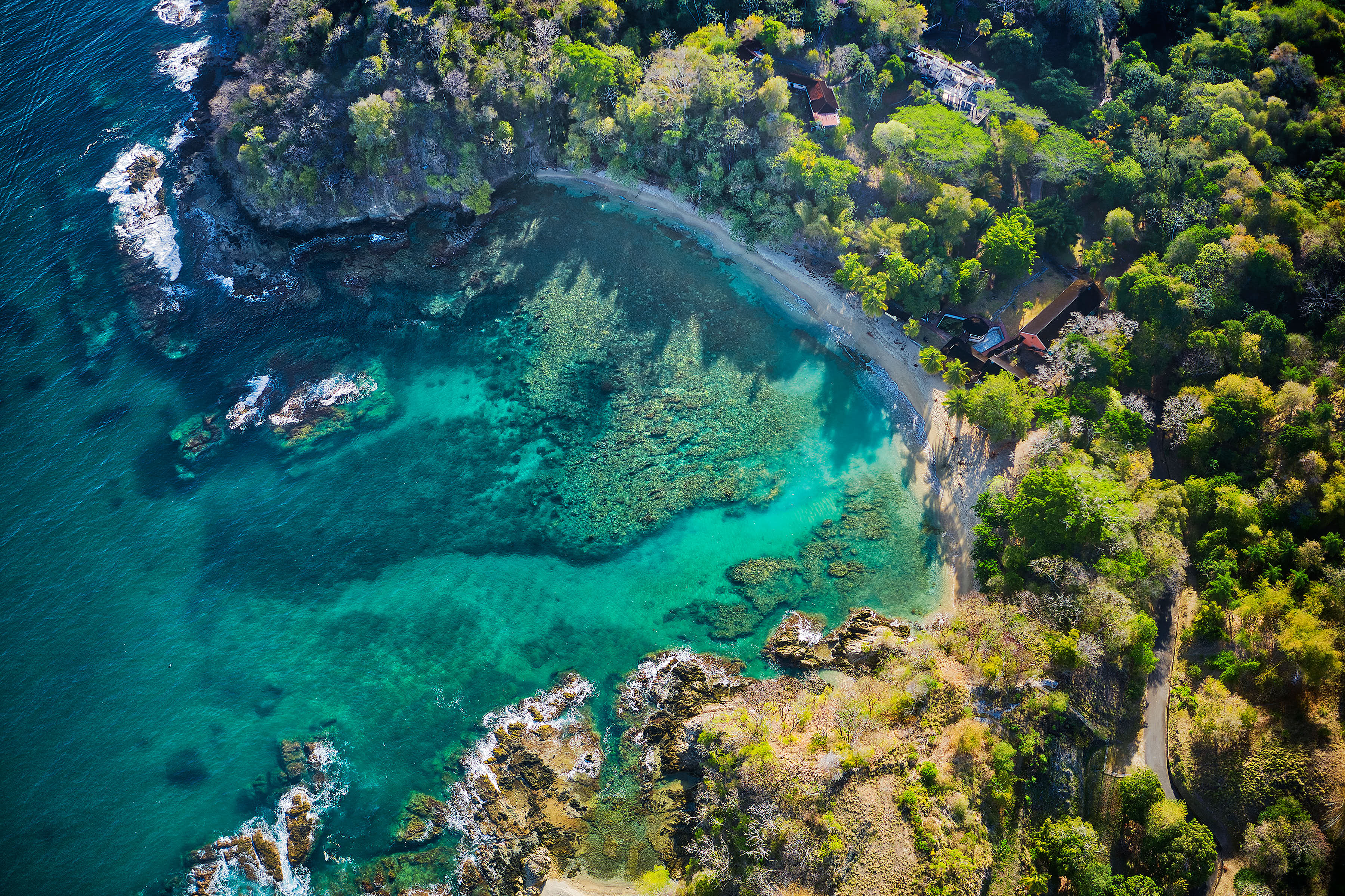
Arnos Vale was once a 5 star all inclusive run by the Italian company Club Vacance which catered to Italian jet setters. Their lease was not renewed by the owners of the estate.
In 1987 I took some of my wedding party to Arnos Vale to snorkel, pretending to be guests. Entering through a forest with birds everywhere and butterflies flitting about, we snuck past rows of tourists roasting on their sun loungers and enjoyed the best snorkelling of any Tobago beach I’ve experienced.
Arnos Vale deserves so much better. The rainforest setting is a wonderful asset, but the hotel buildings are crumbling like a lost city in the Amazon under the tropical onslaught of nature. Which is great if you are a bat, and many have taken up residence instead of the tourists, hanging around till just before dinner time.
The Arnos Vale Estate comprises 410 acres of magnificence. It is the location of the historic waterwheel where a restaurant once sat. The hotel is disintegrating among 90 acres of prime, beautiful beachfront, though the beach itself is not large.
The Invest T&T website assures, rightly, that Arnos Vale Estate has 5-star development potential. But the only living creatures interested in the hotel are slowly devouring it. And the people who do visit to snorkel do so at risk of being in total isolation.
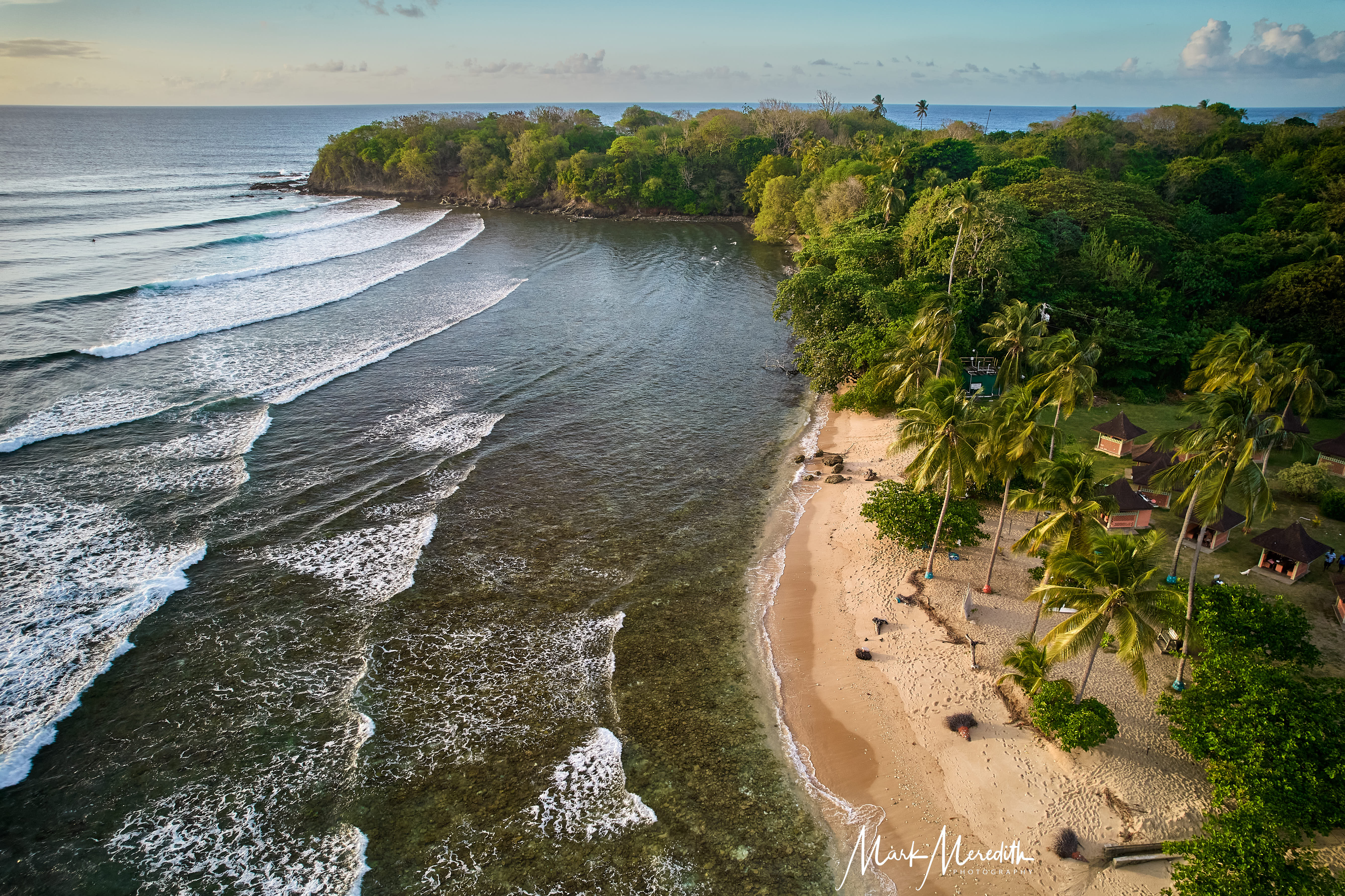
So back to Buccoo Junction, stopping first at Rocky Point’s Back Bay. The other beaches I’d seen were obviously suited to sun and sand tourism as evidenced by the hotels built there. But Back Bay simply isn’t.
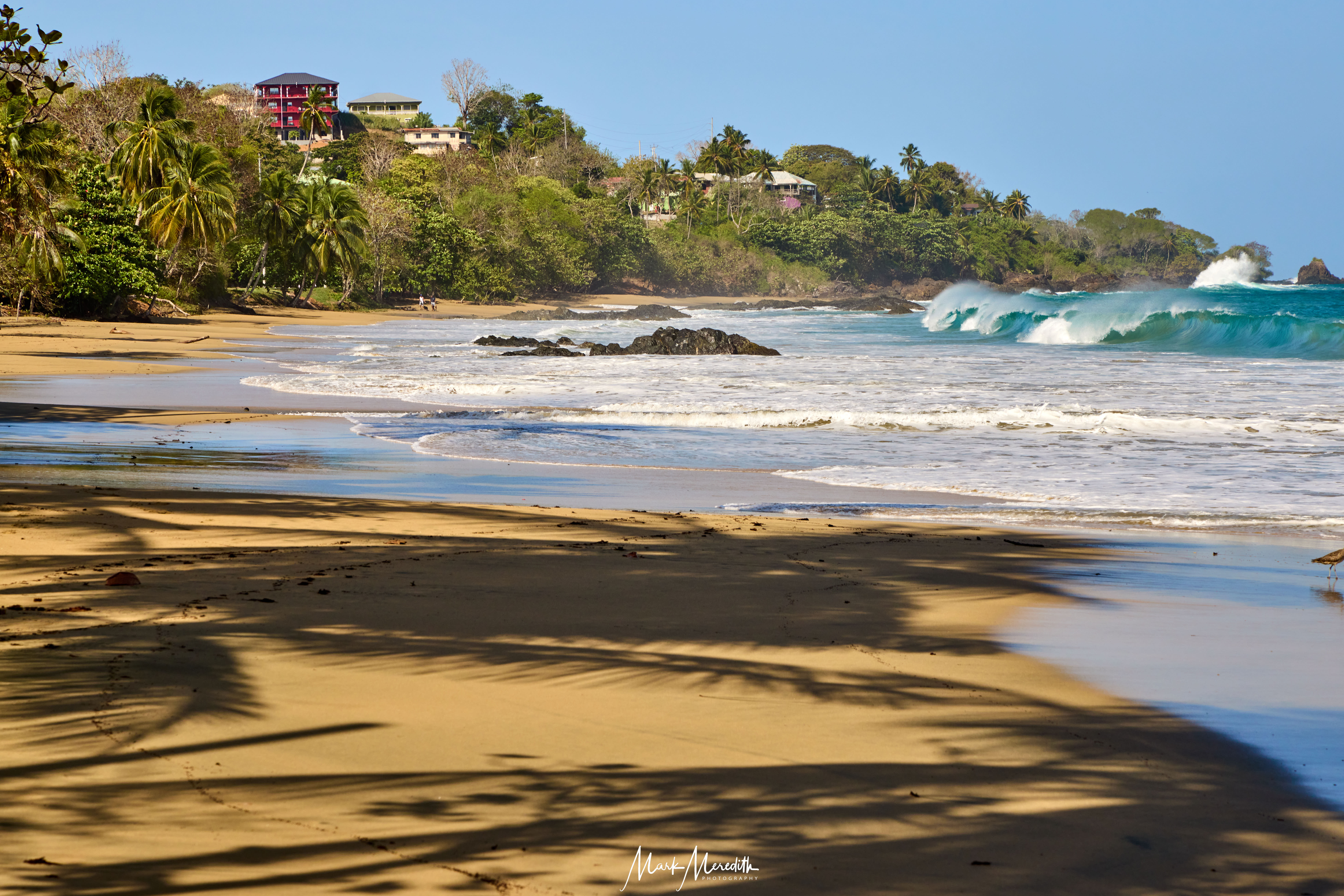
The most beautiful but dangerous beach on this stretch of coast has claimed 14 lives over the years, more than any other. Rocks protrude, or lie hidden; currents are strong and the waves can be enormous, especially in the winter tourist season months; when they break it’s “like a volcano exploding”, I was told.

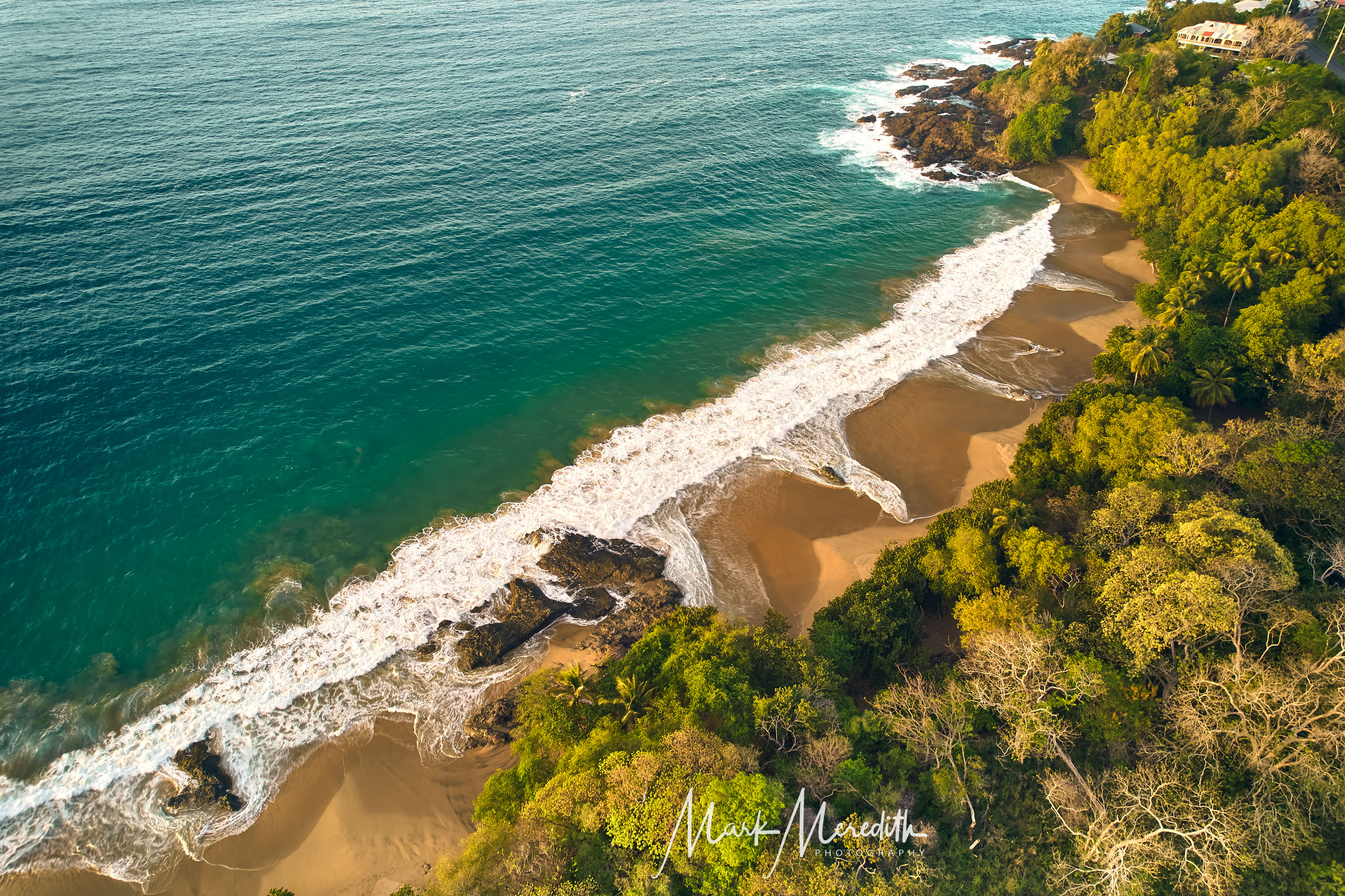
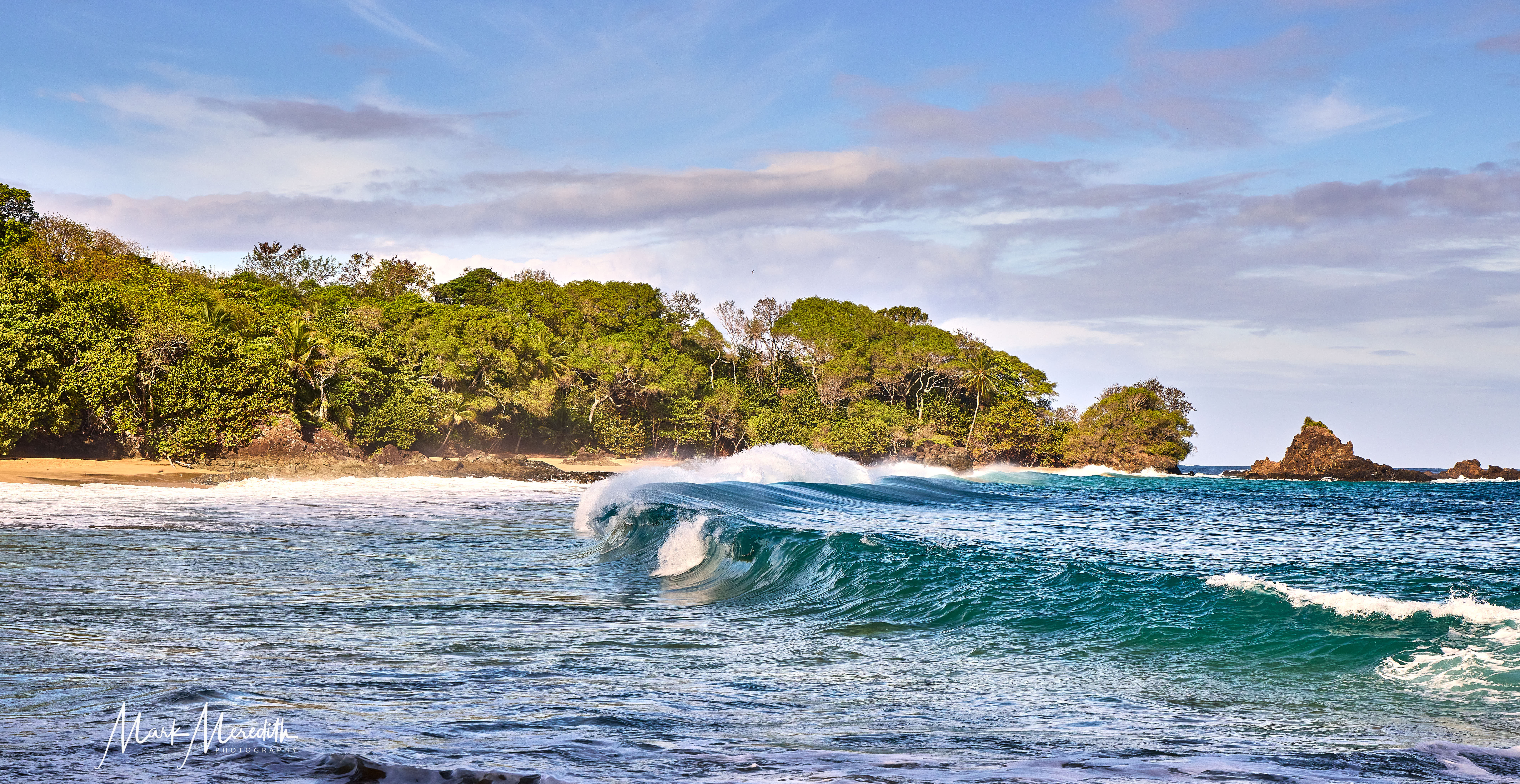
It’s not as though you can lounge nonchalantly on the sand in the sun, eyes shut, plugged into another world, either. Any minute a wave might surge up the (wet) sand and into the manchineel forest and sea grape you walked through to get here.
I was almost washed off the rocks fishing here 20 years ago and had to make a run for it over the rocks on this visit too. Better for sea turtles than sun loungers, I’ve been advised.
Nevertheless, there have been plans for a hotel at Rocky Point before, drawn by the elevation and views it would offer from the higher storeys.
A Tobago Hilton was to be built there in the 1970s; in Tobago News of April 1986 a drawing was published of a gargantuan six-storey, cross-shaped structure, as though shipped straight from Miami, obliterating all evidence of Back Bay and Rocky Point as we know it.
The Sunday Express of August 28th 2022 published an impression of the Marriott and real estate development planned by Superior Hotels, the overriding characteristic of which was its use of vast areas of concrete. It, too, expunged any resemblance of what exists today.
To the conclusion of my journey, a right turn at Buccoo junction and down to a bay the equal of anything you will find in more travelled areas of the Caribbean.
The executives of Sandals were wowed by Buccoo back in 2018, because when you are viewing in a helicopter everything about the Buccoo Reef and Bon Accord Lagoon ecosystem is incredible, as my drone showed.
Most striking is the size and unspoiled nature of this protected wilderness, the scale of the seagrass beds, their spectacular palette of shapes and colours. Obvious, too, is the fragility of Sheerbird Point/No Mans Land, and how interconnected Bon Accord Lagoon is to everything else, the mangroves and reef itself, seagrass beds and the Nylon Pool.
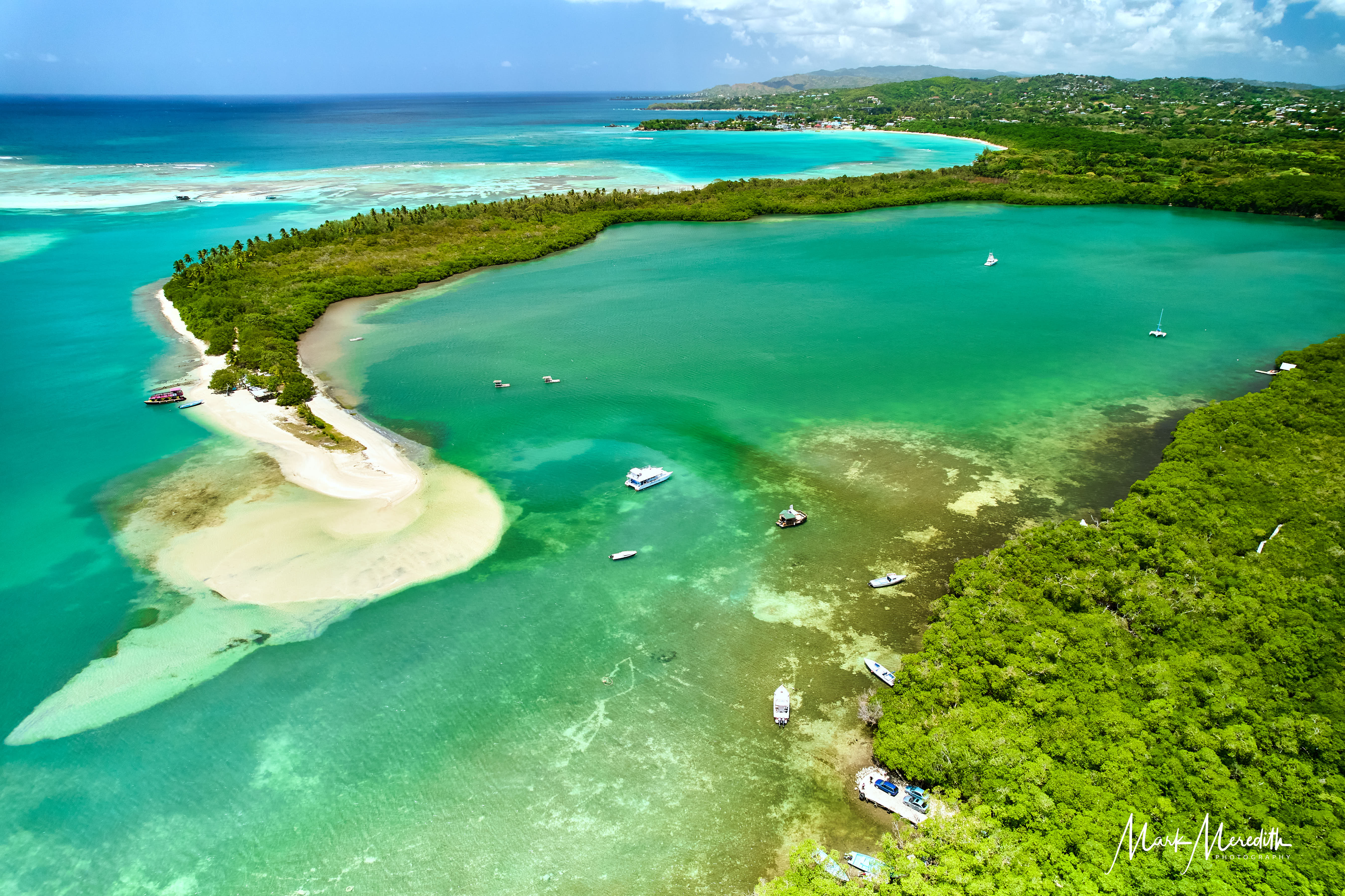

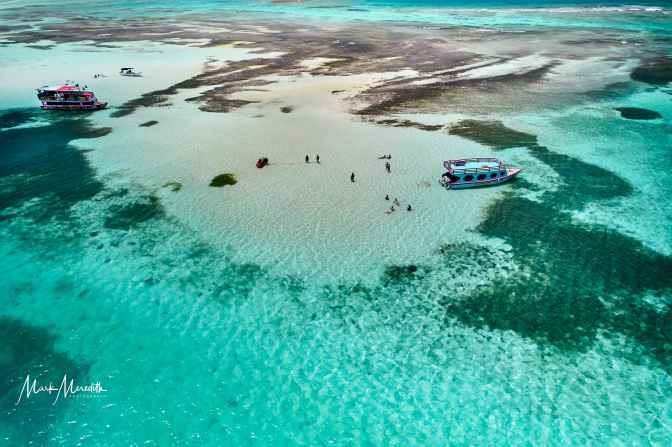
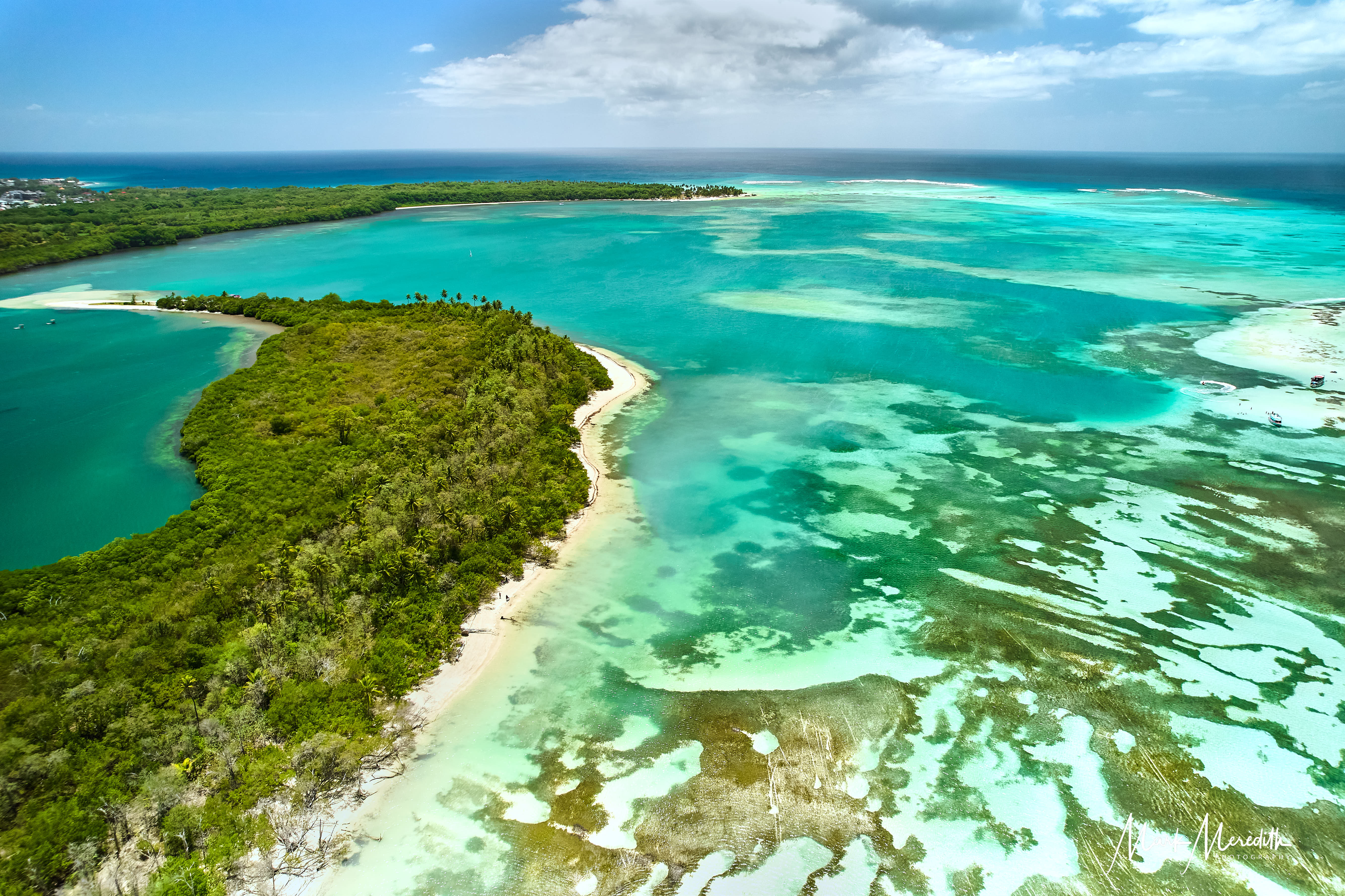
Buccoo Reef and Bon Accord ecosystem. The patterns in the water are seagrass beds, with the Nylon Pool extreme right. Note the narrowness of the beach and tree clearance necessary for a resort here
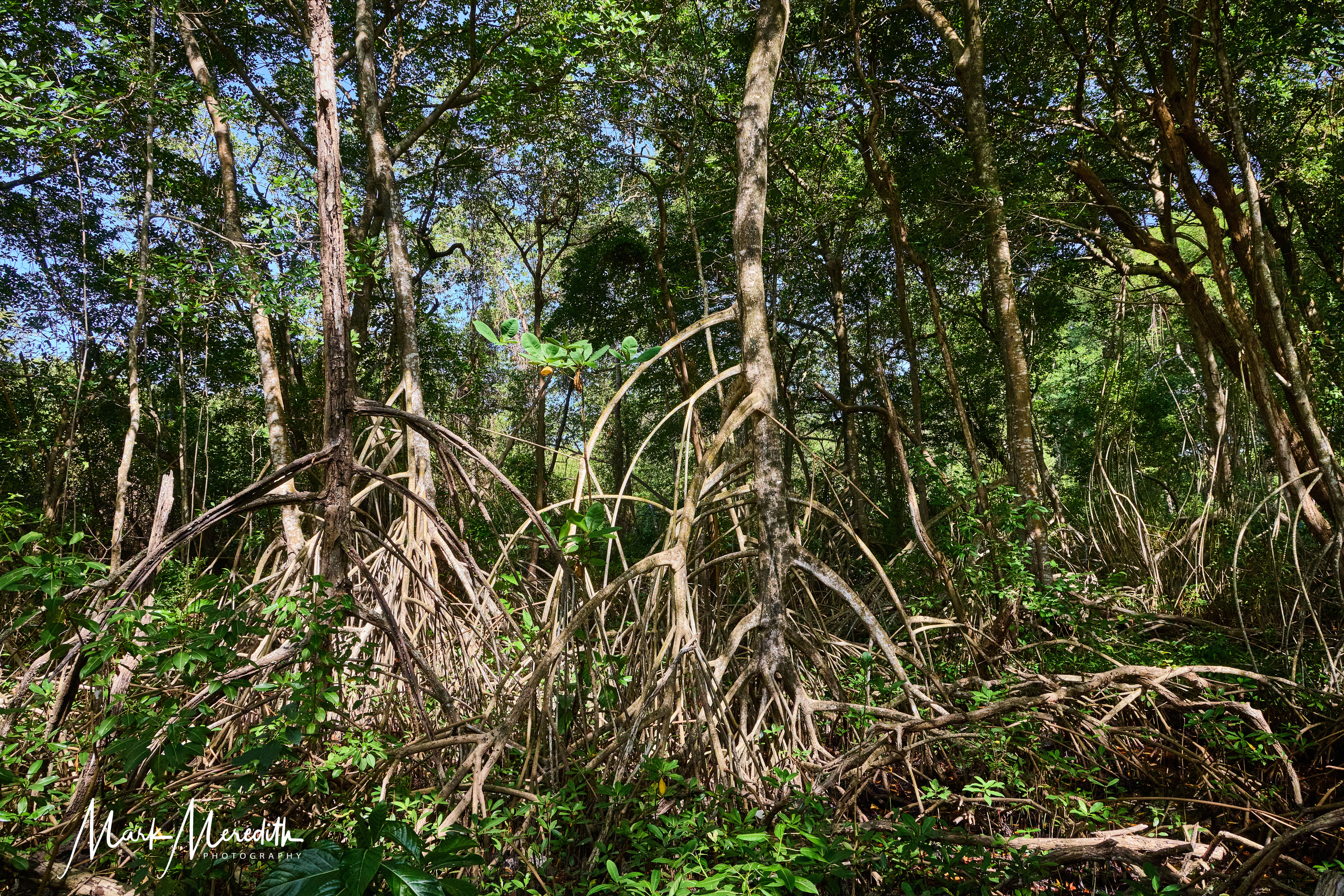
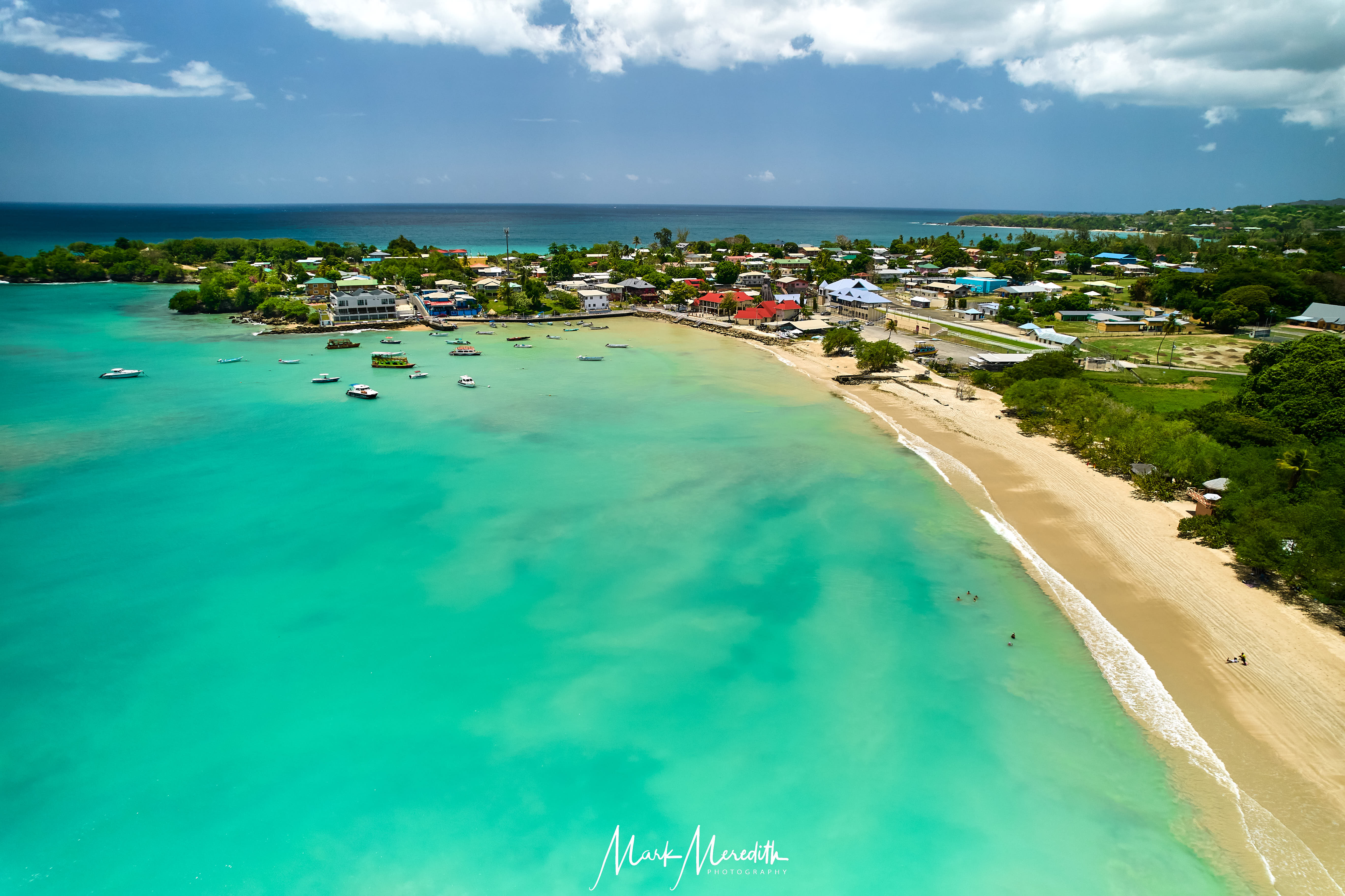
On the ground by the village end of the bay, a track runs behind the beach for a hundred meters or so under manchineel trees where there are parking spaces and shade. On the landward side of the road, past birdwatching marshland, is a seemingly endless and impenetrable forest of tall mangrove trees blotting out the sky.
While Buccoo Bay is large, the beach itself is surprisingly narrow, especially south of the frequented public area. A high tide would push any beachgoer under the trees. To make it wide enough to accommodate hundreds of new tourists would involve considerable tree clearance.
But Paradise found is how I felt lying on that beach, immersed in emerald green and aquamarine, lapping waves and birdsong, bedazzled by Caribbean views, a perfect cocktail in every sense.
Which begged a pertinent question: how should one feel about a cocktail being brought by a uniformed waiter to one’s sun lounger here, among dozens of others spread out in a line along the shallow beach, to be sipped under parasols instead of trees?
Should the beaches of Buccoo and Back Bay be stripped of the very essence that makes them and Tobago so special? Or should they remain a refuge for nature and us, an escape from the fractious world outside?
As locations for nature resorts, their unique potential is obvious given the growing trend of high-spending tourists of all ages prepared to pay plenty for the privilege of physical and spiritual rejuvenation which nature offers.
My tourism expert agreed, telling me, Tobago has “lots of possibilities to develop nature resorts”, adding it is blessed with many “fantastic sites that offer sea views, as mountains cover two thirds of the island”.
This would take advantage of a trend to develop individual properties to service Airbnb; “large numbers of tourists who do not need to be located on the coast”.
Tobago, I was told, has limited hotel sites with sea frontage locations offering sand, sea and sun typical of a Caribbean Holiday. But, as my journey showed, those sites exist in numbers up the coast in failed hotels which could be reborn.
Such failed hotels exist in other areas of Tobago, too, such as Speyside and on the west coast. Crown Point’s Cocoreef Hotel which, I was told, was doing “poorly”, caught the eye of Sandal’s Butch Stewart who “was very interested in it”. It would be a “good purchase for Sandals”.
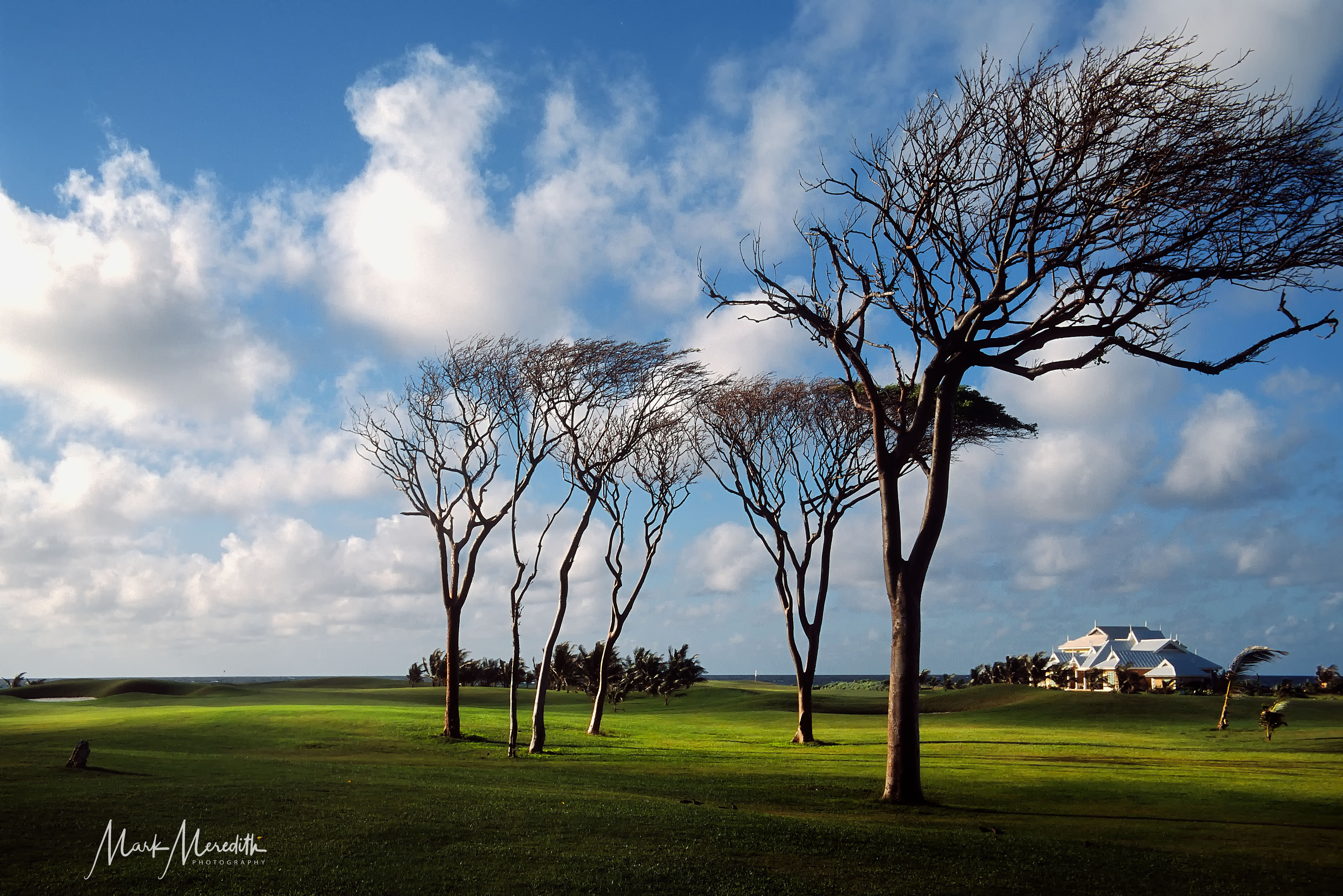
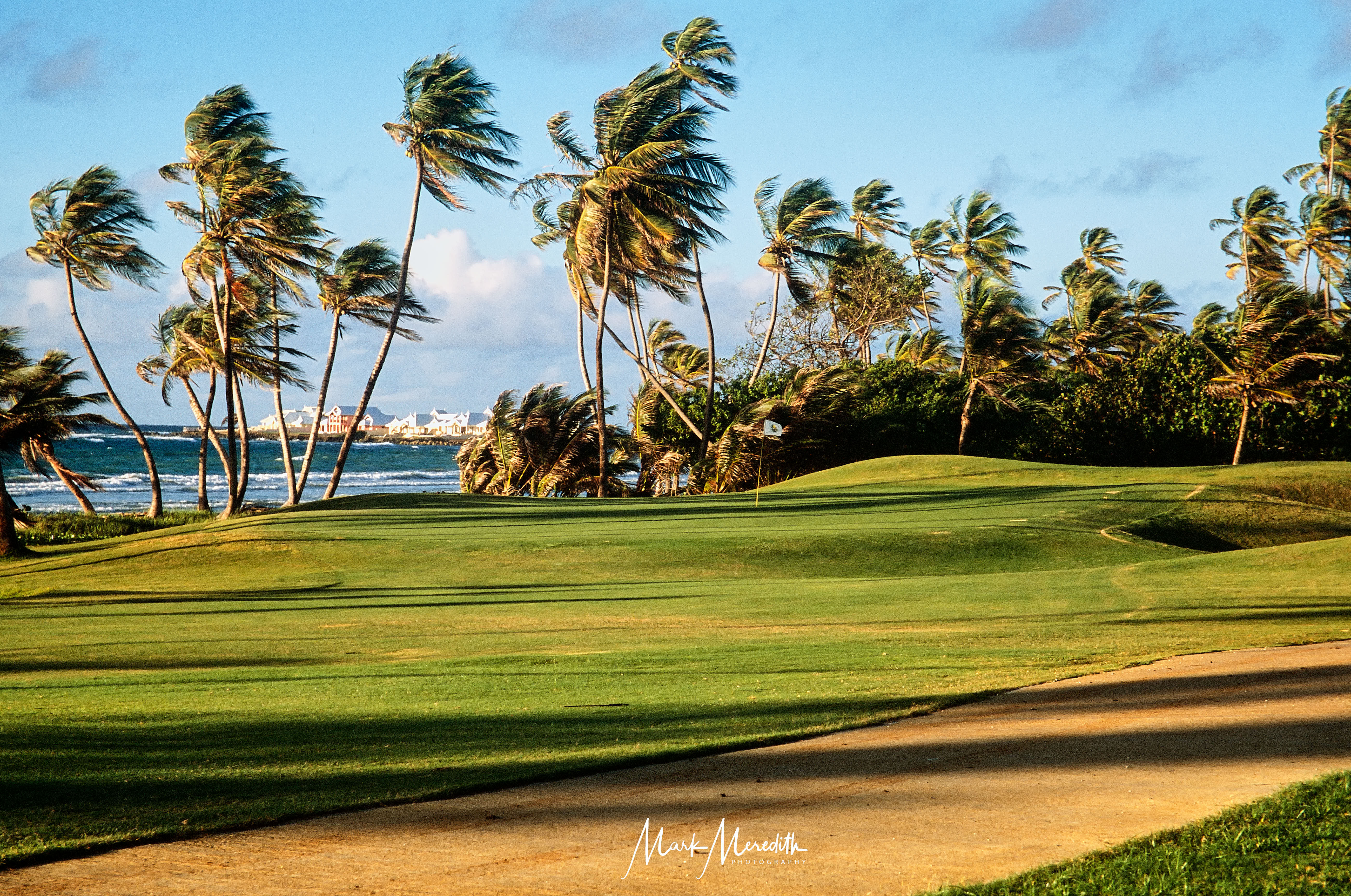
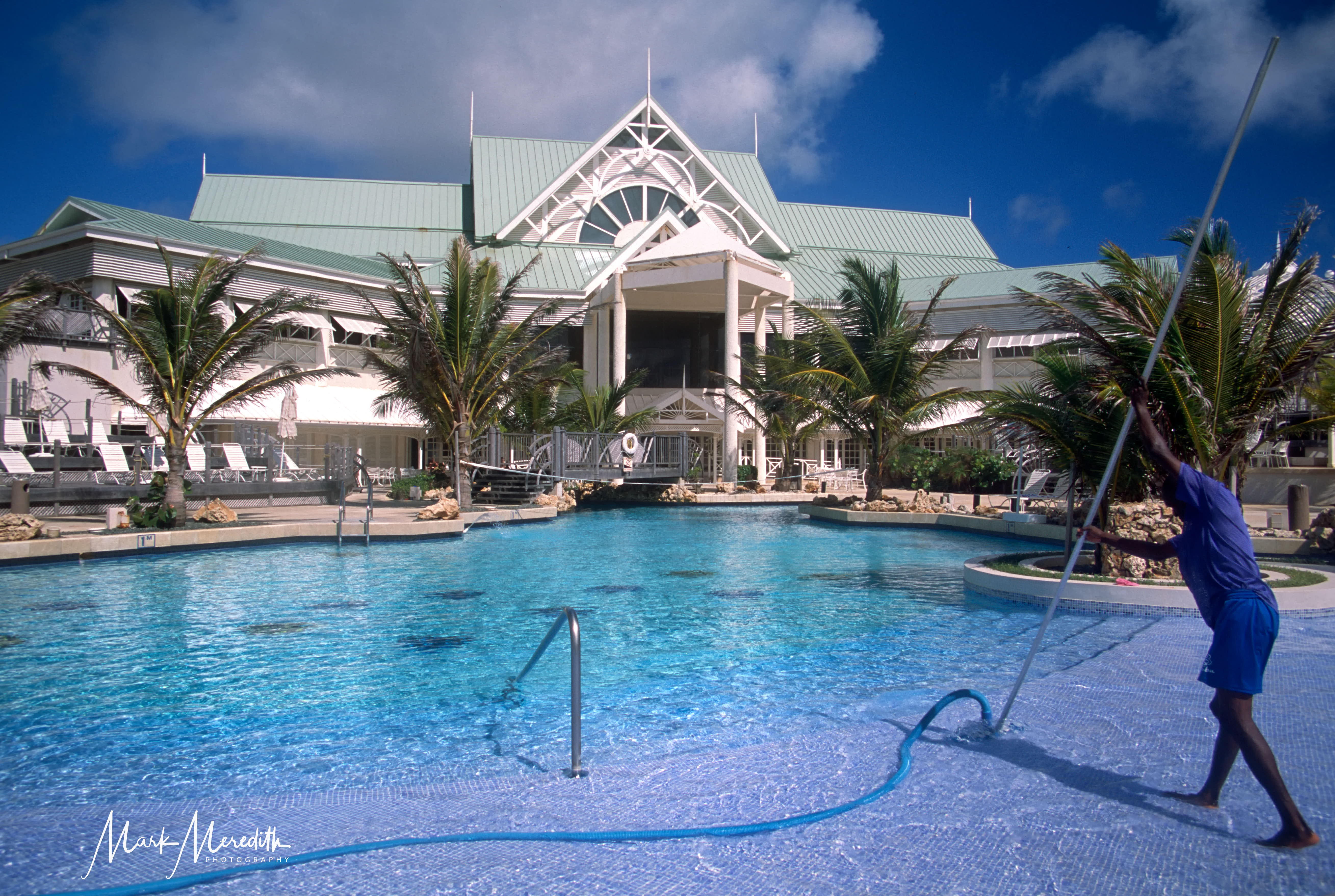
But the location of the largest site with Tobago’s most wasted potential is Magdalena Hotel in Lowlands and its excellent, beautiful golf course. “There is nothing wrong with the location of the Magdalena. The building was poorly designed and even more poorly built,” said my tourism pro.
“There are cruise ships in the sea that don’t rot. They are designed for their environment.”
Location, location, location – Tobago has it all, in spades, for every type of tourist. If it chooses carefully.
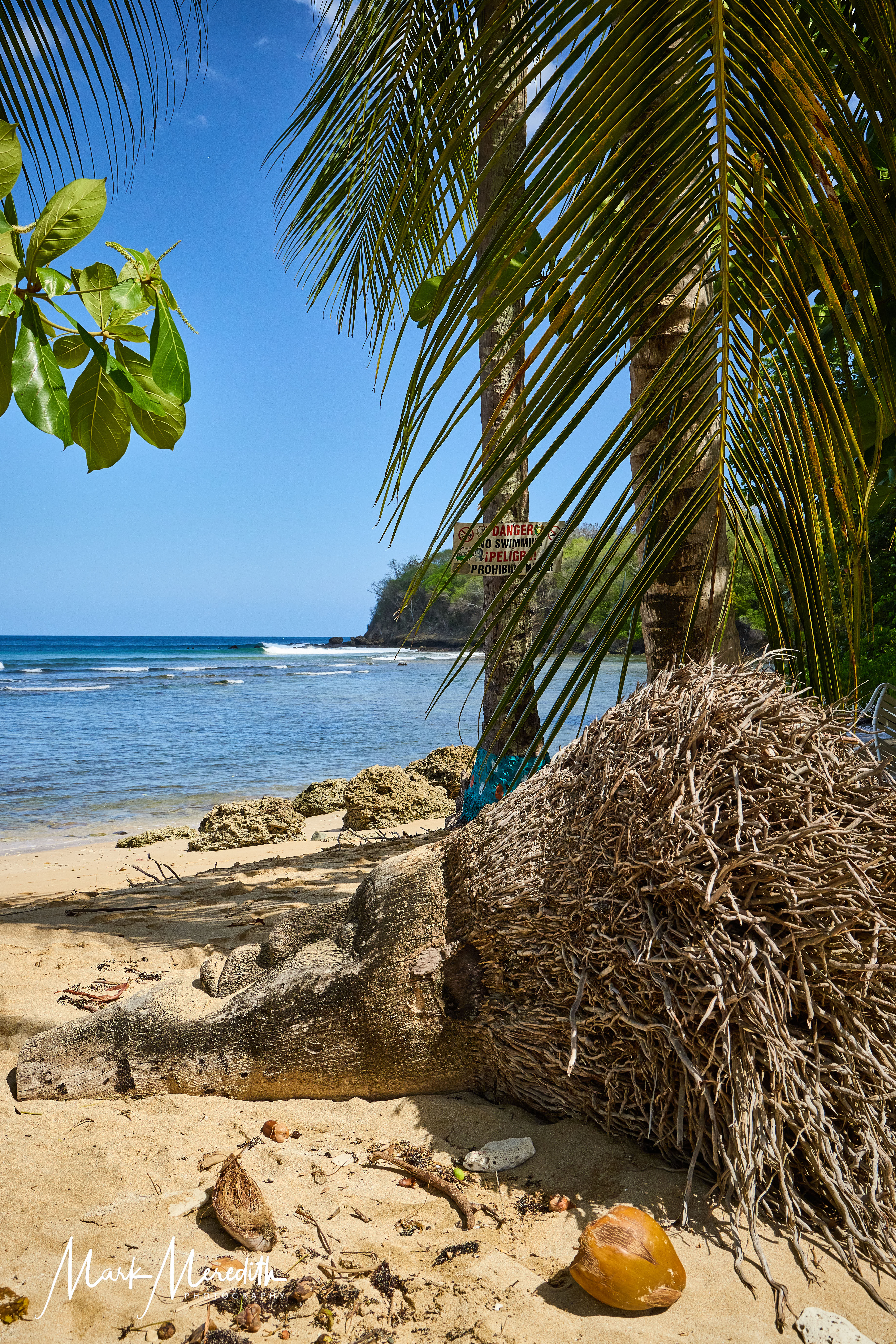

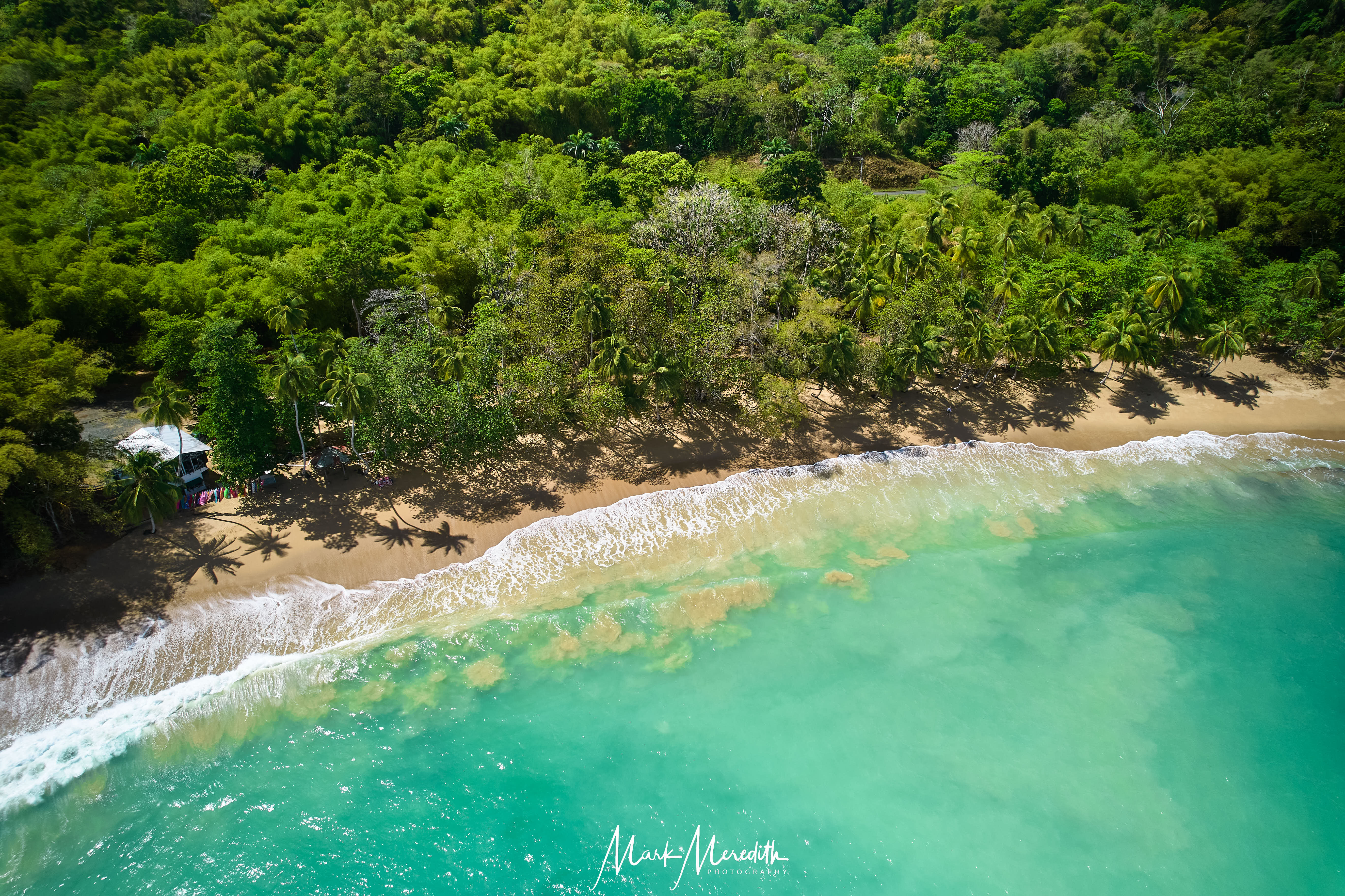
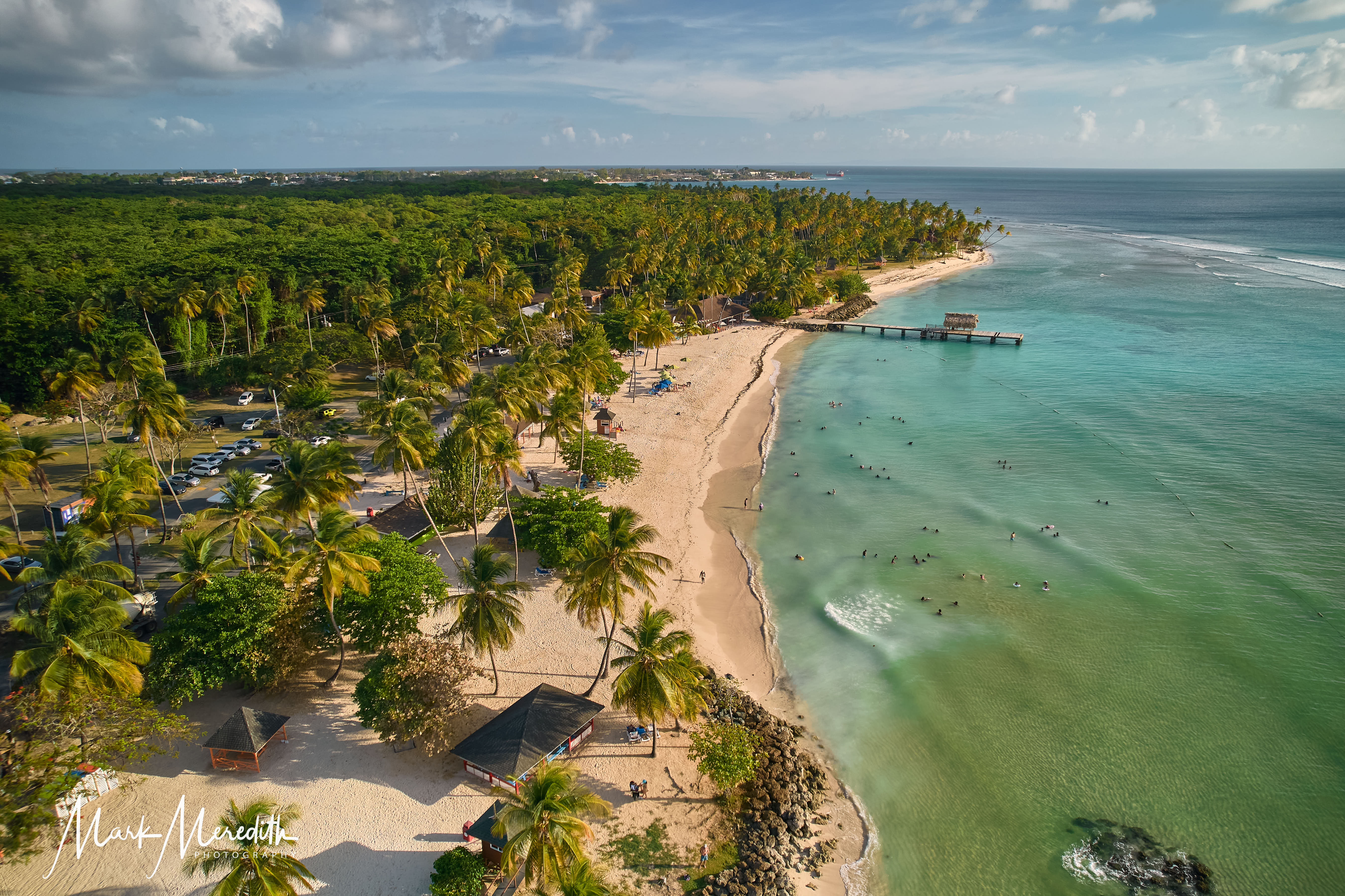
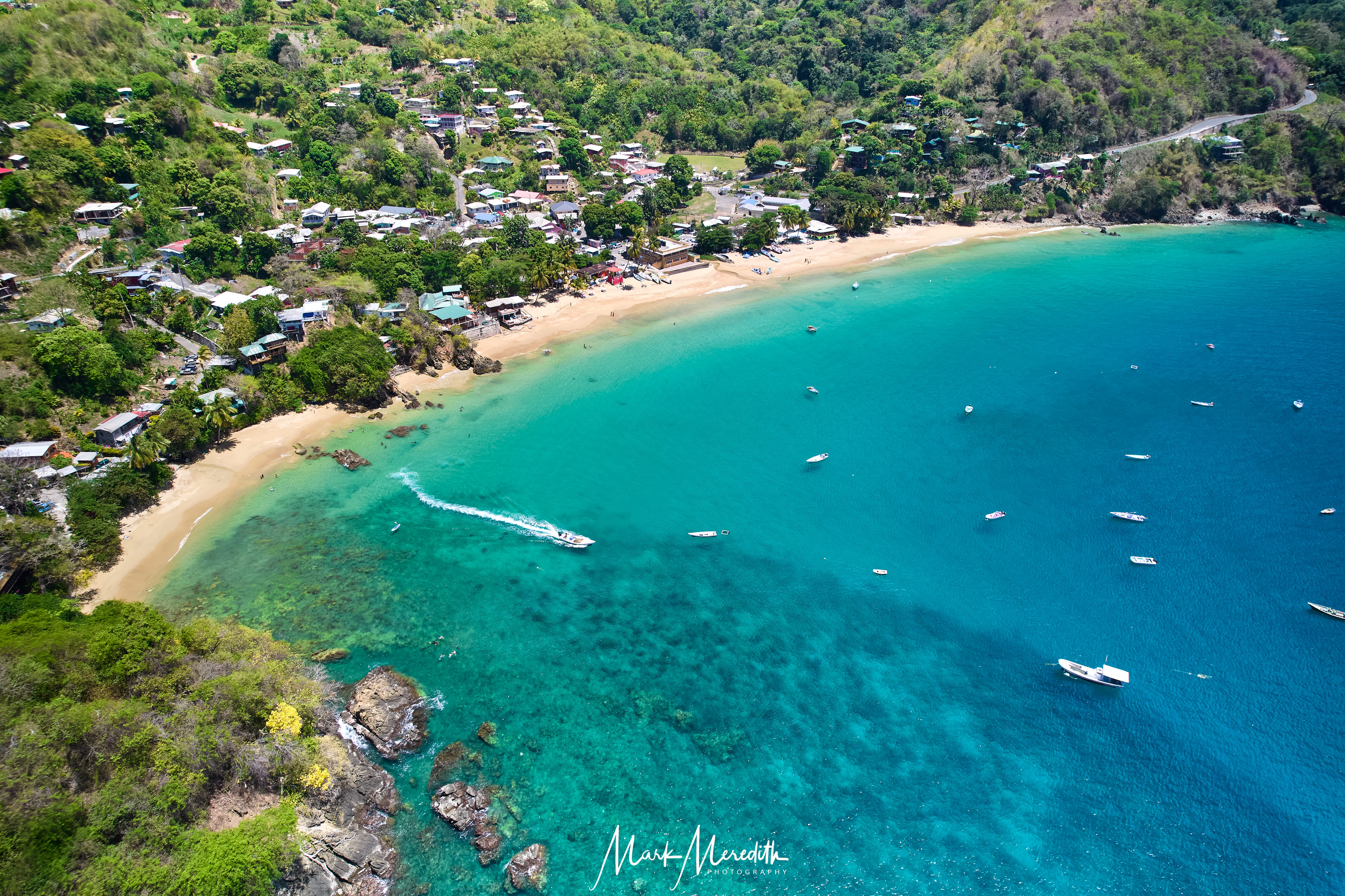
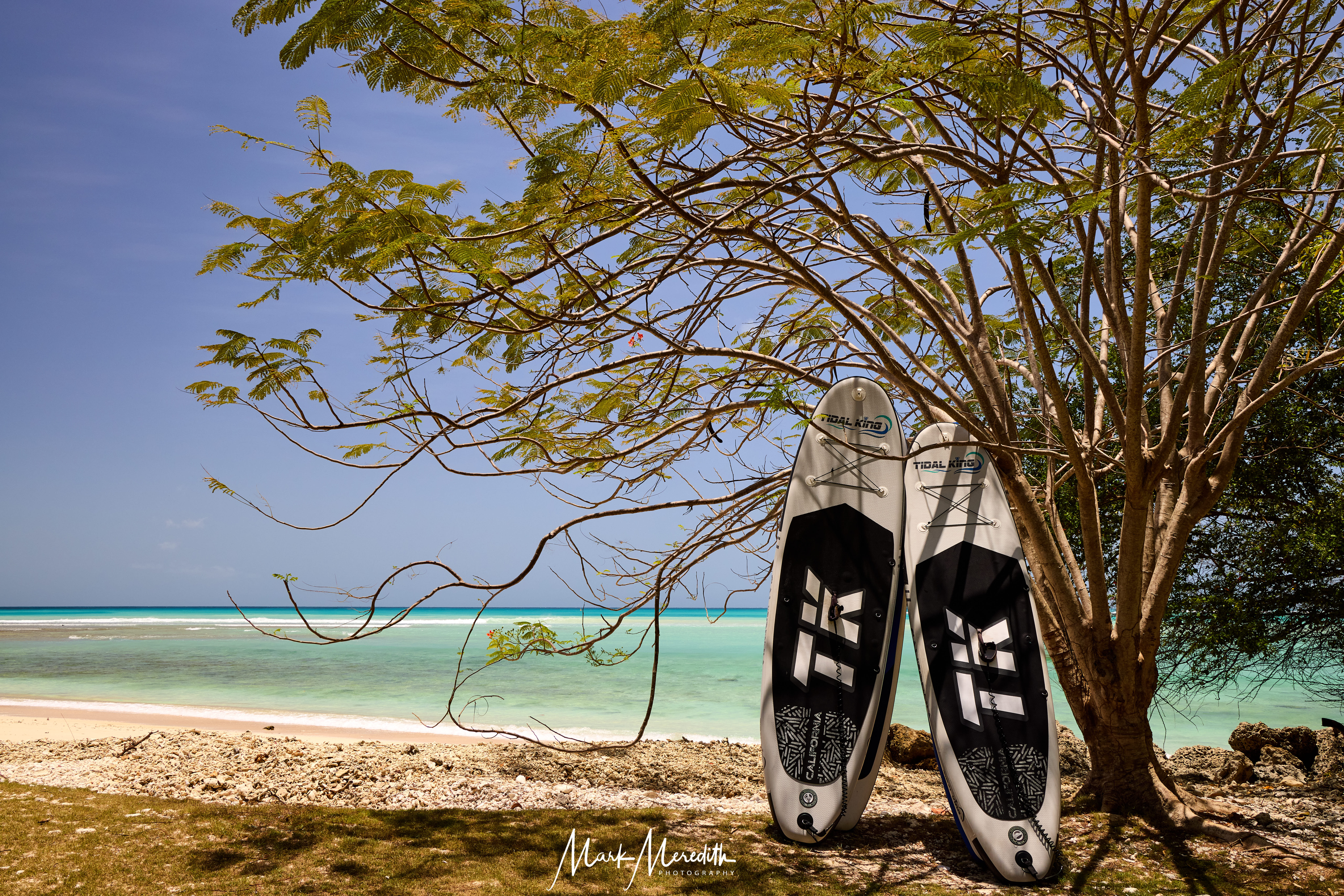
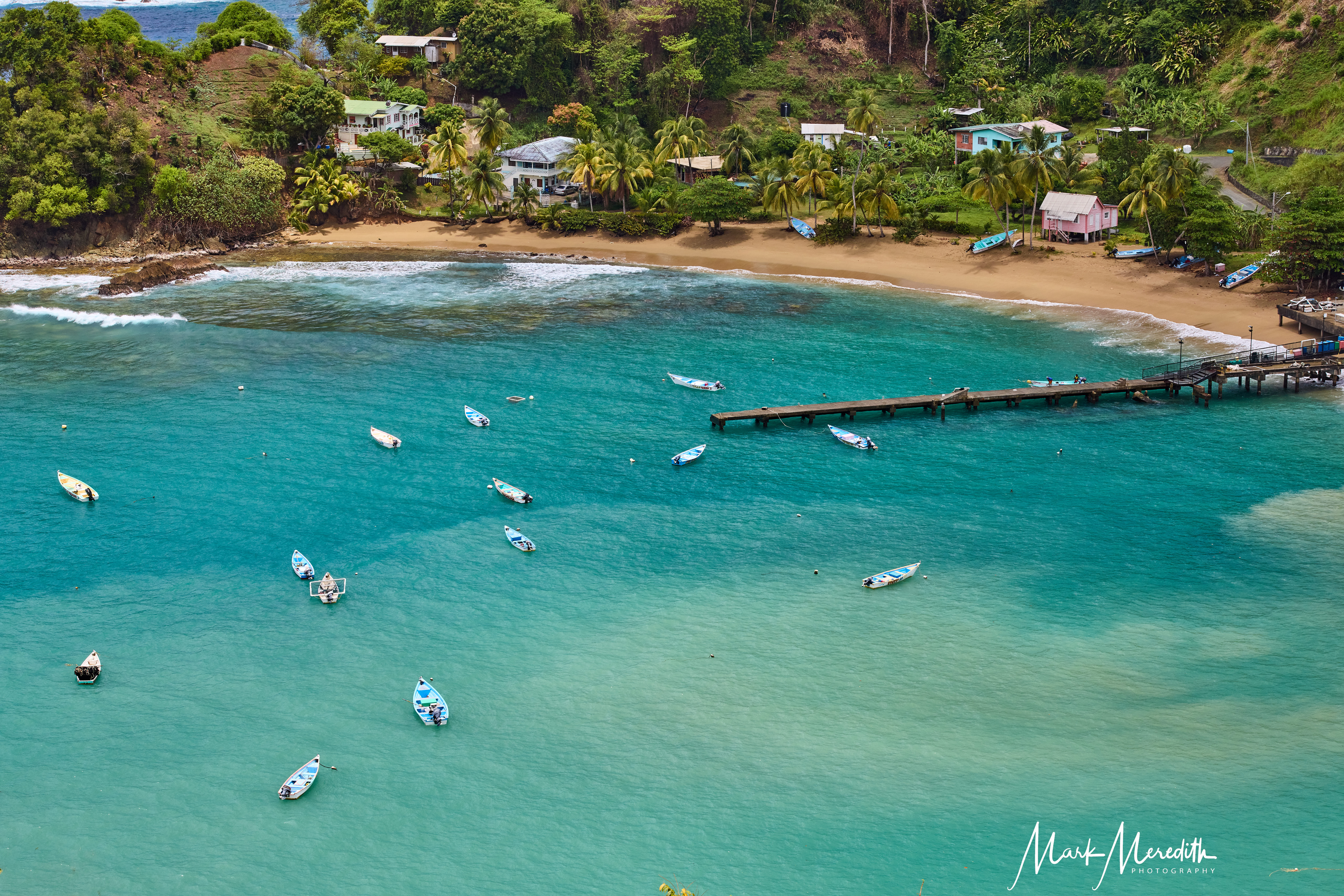
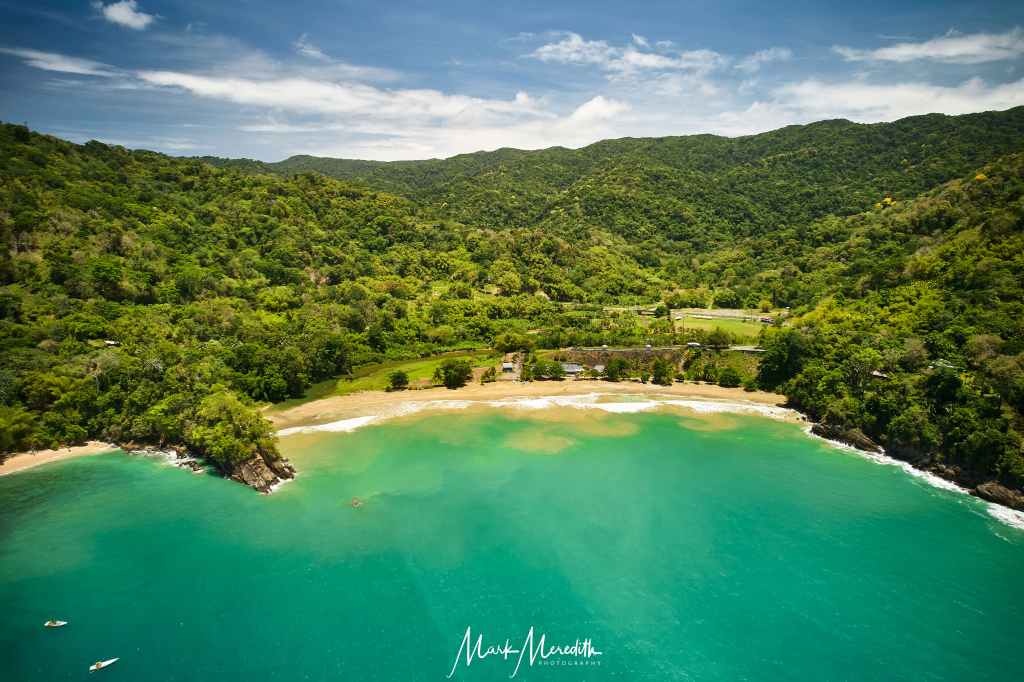
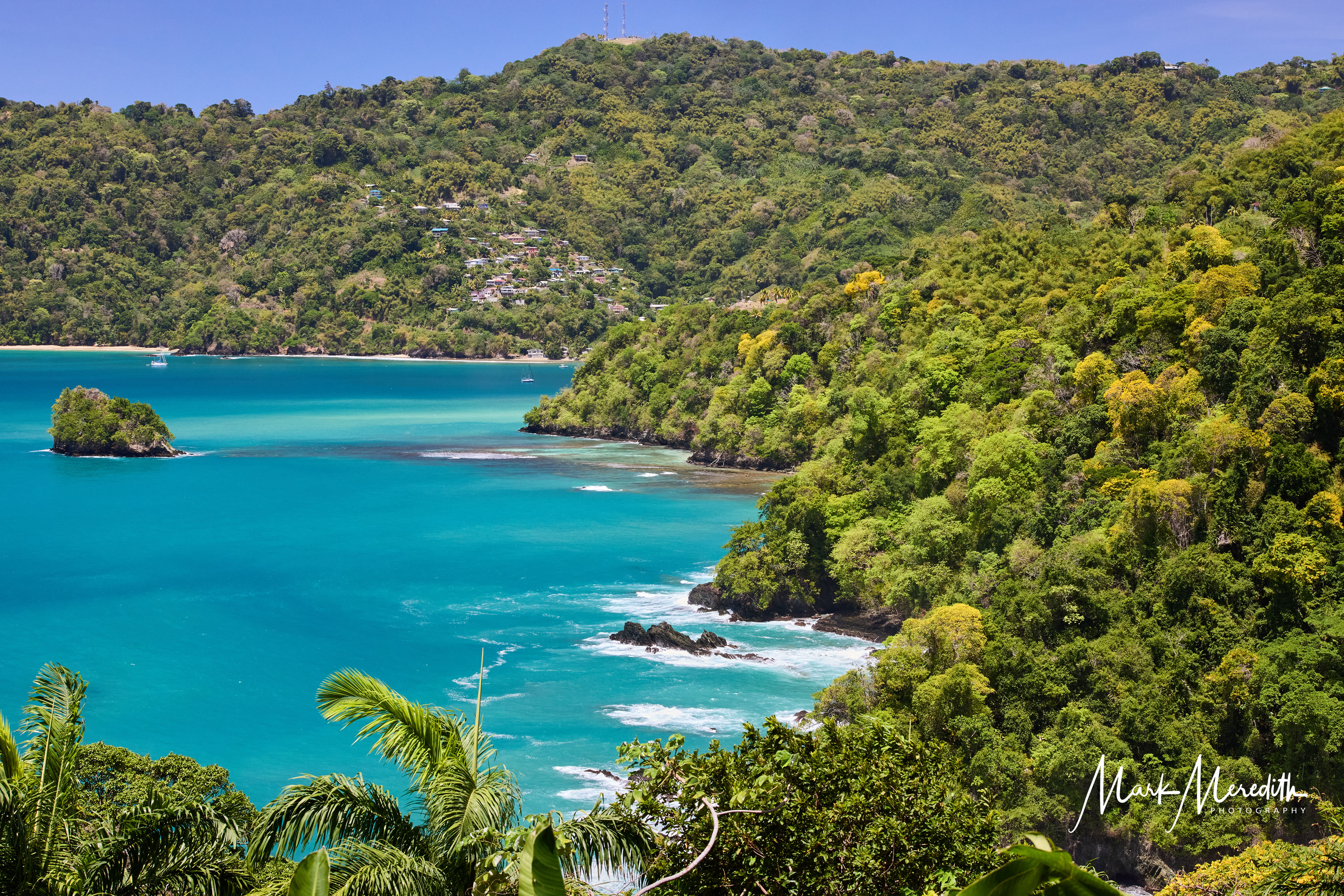
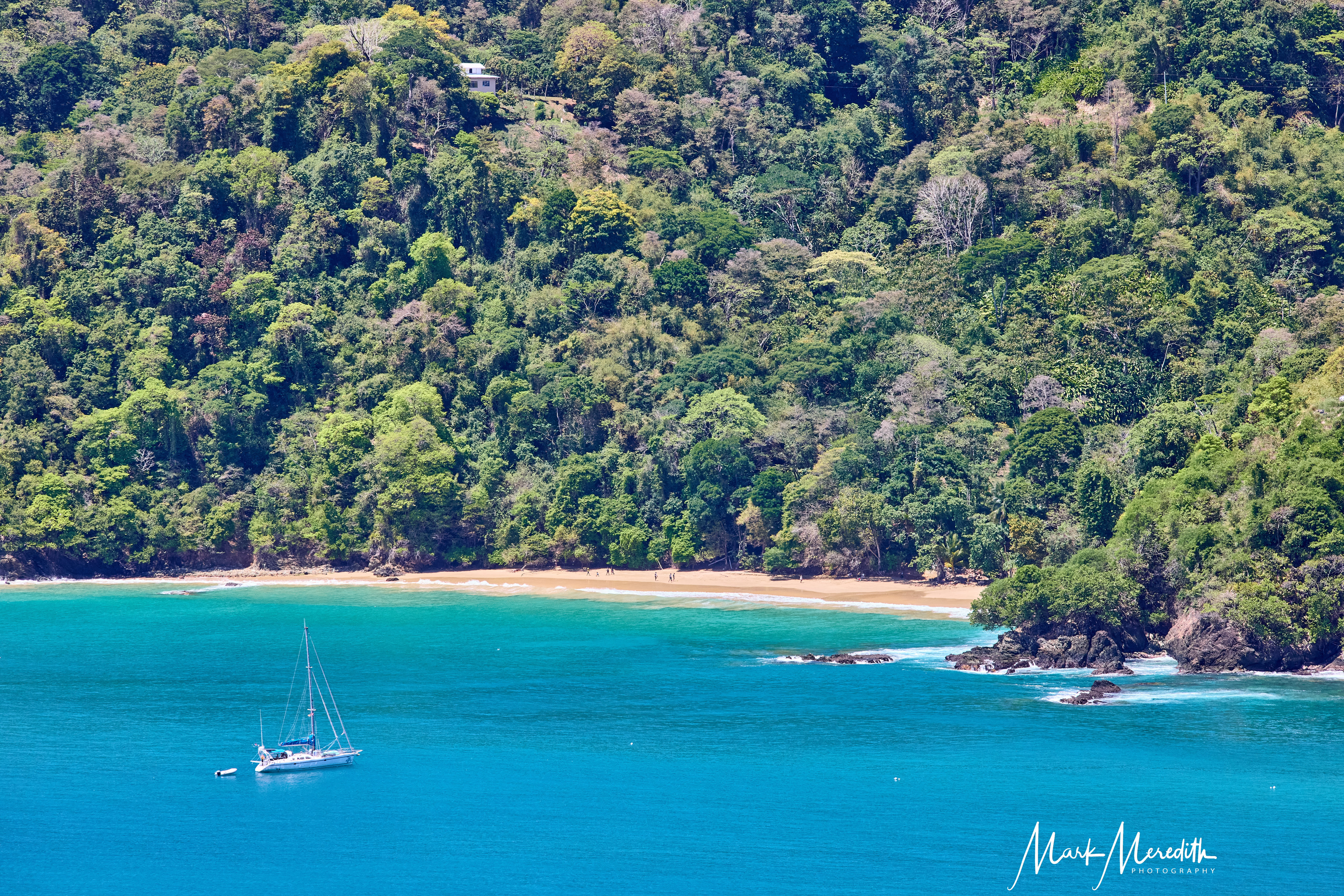
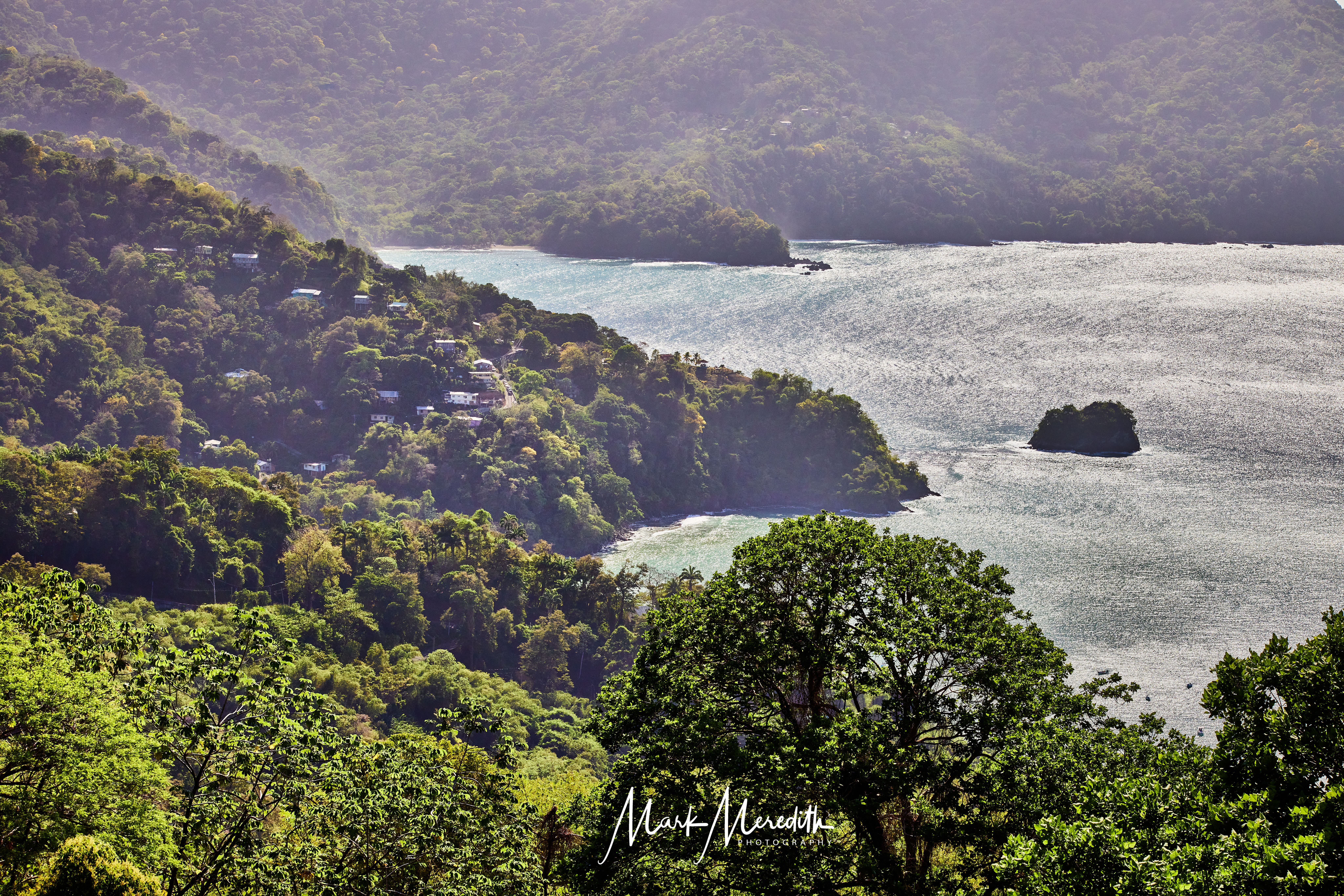
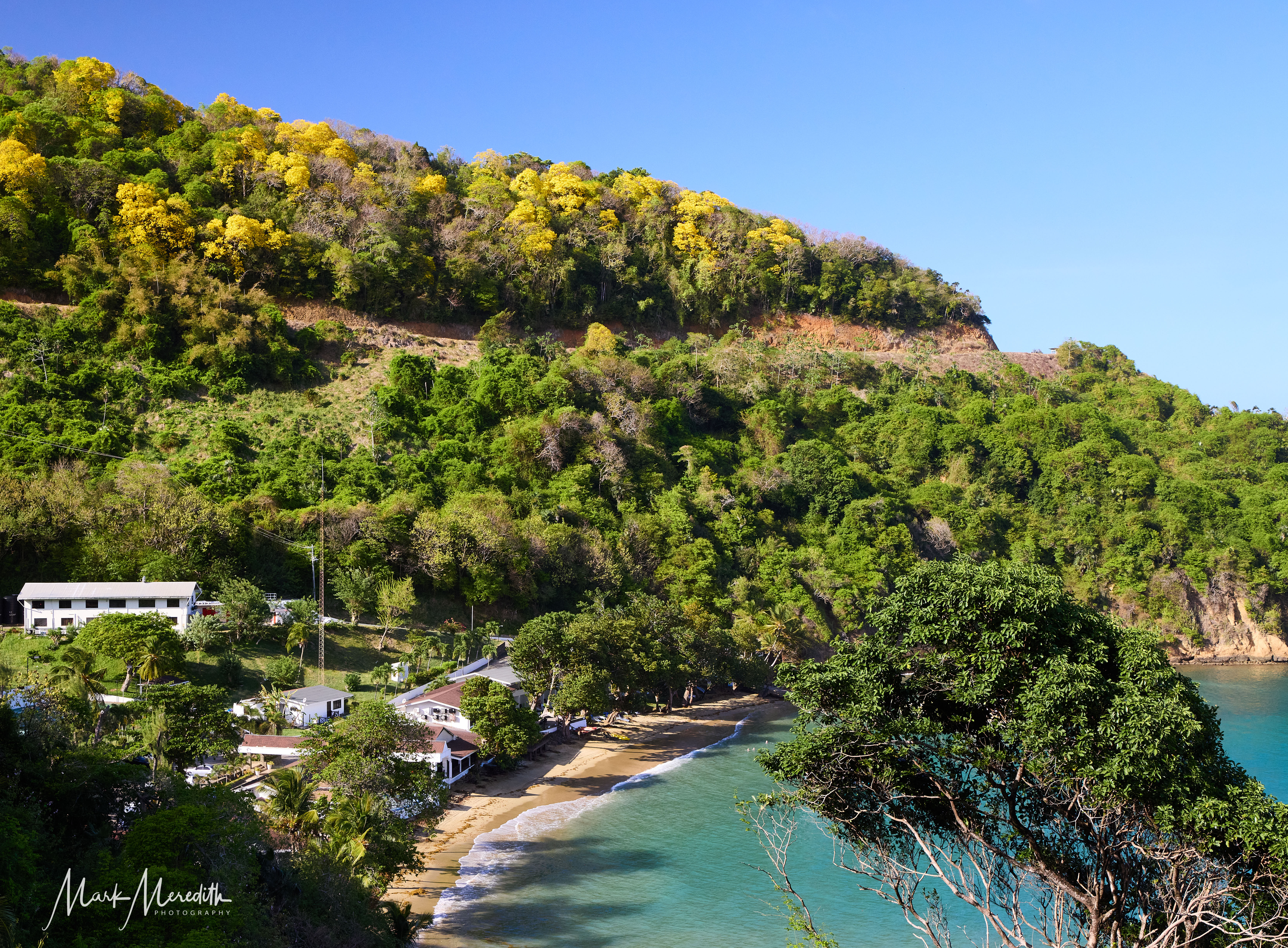
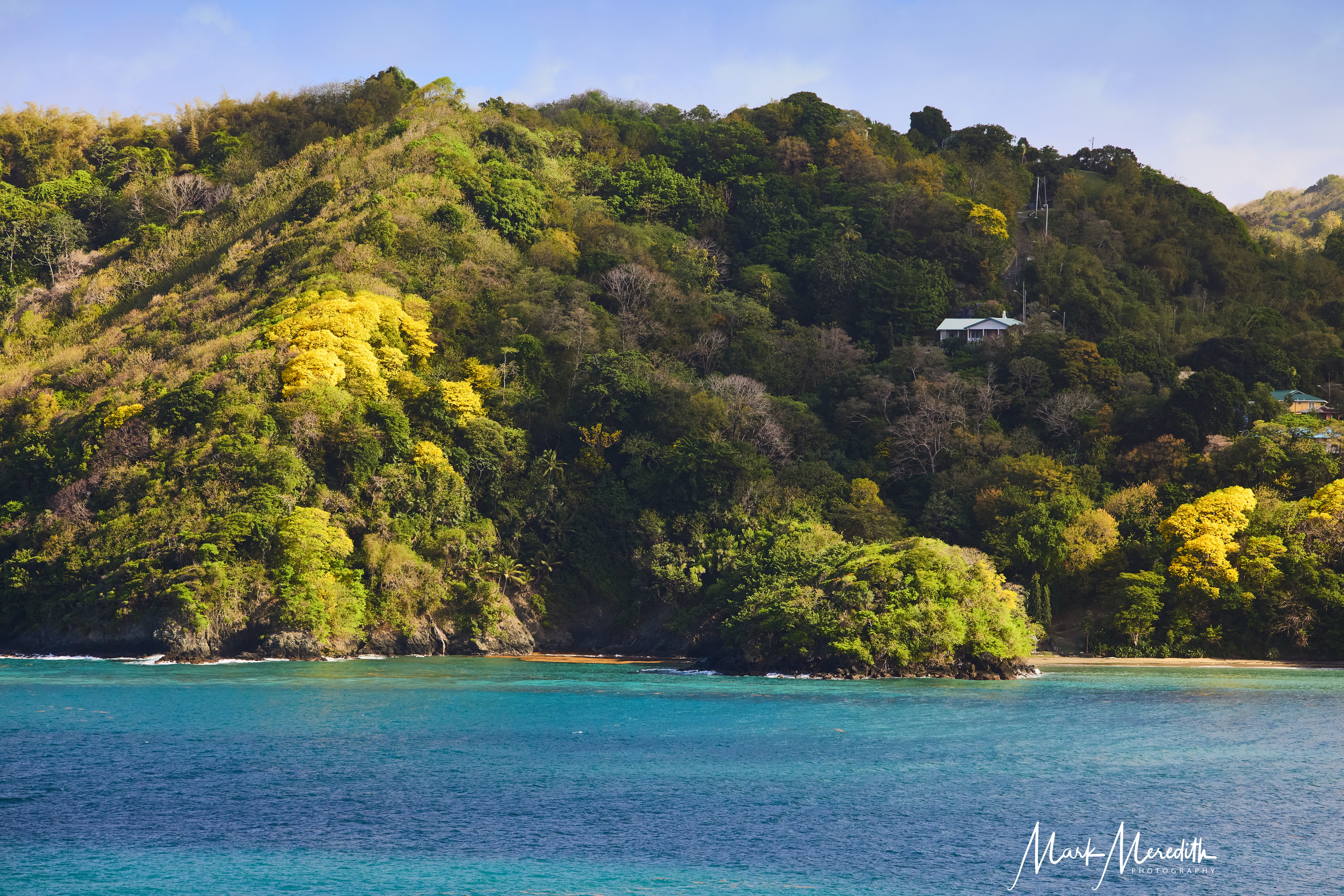
OTHER LOCATIONS HIGHLIGHTING TOBAGO’S UNIQUE POINT OF DIFFERENCE – UNSPOILT!!


 Photos, Newspaper & Magazine Articles, Travels
Great article! Not to mention the abandoned sanctuary resort just a few hundred metres from the proposed rocky point hotel site.
I had forgotten about that one! Don’t remember seeing it on my visit. Thanks for reading. Spread the word.