
On May 9th Superior Hotels held the first public consultation for their Marriot-branded hotel and real estate project at Mt Irvine. They ran into serious opposition. MARK MEREDITH visits Rocky Point and Back Bay, the last unspoiled wilderness left in south west Tobago, to understand what ignites such passions against the development of that area
This article first appeared in Trinidad’s Sunday Express on May 19th 2024

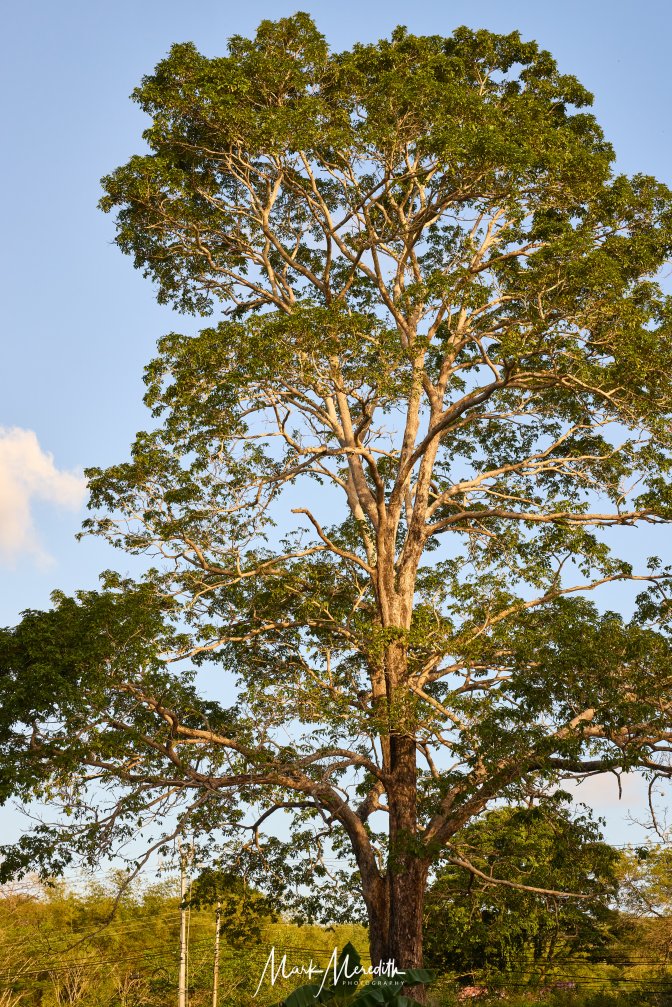
I parked my rental beneath an enormously impressive tree towering above a clearing in the middle of Rocky Point above Back Bay. The sun was just rising, illuminating the upper branches of the woodland surrounding me from which birdsong emanated above the muffled roar of the ocean beyond the cliff edge.
I stood for a while taking in the tranquil scene around me while a rainbow coloured motmot flitted blissfully about from branch to branch a few feet away. I tried to imagine how the published development plan of Superior Hotels for their hotel and real estate extravaganza would impact this area. It was impossible to envisage.
Putting the idea of a shopping centre, concrete car parks, condos, high rises and tennis courts to one side I made my way down the slope to Back Bay where I discovered something magical, the like of which I had never seen before in T&T.
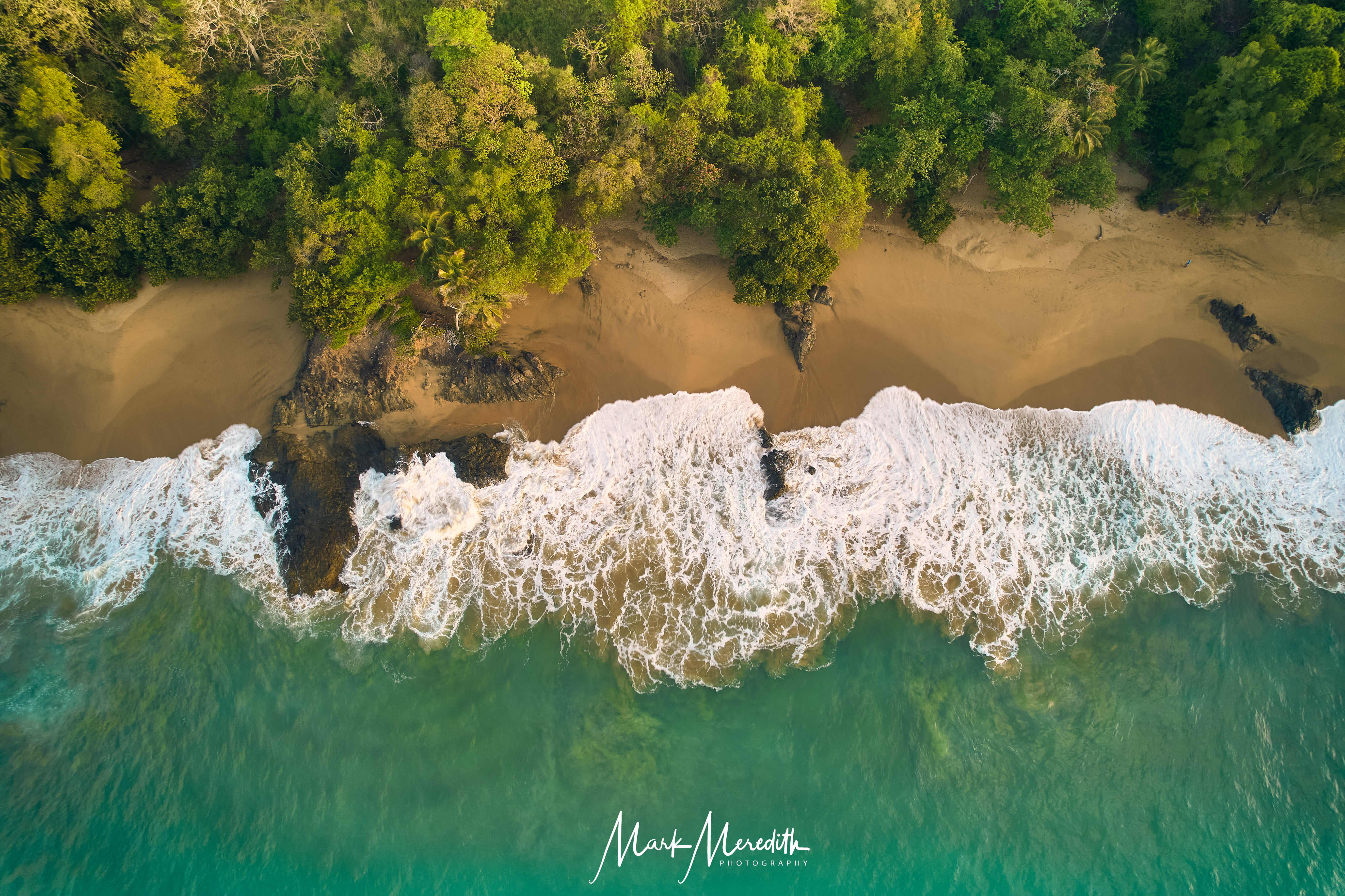
I found myself in a wooded wonderland. It reminded me of an English forest in autumn. The floor was carpeted with yellow leaves from tall, mature trees filtering out the sunlight which blanketed Back Bay in bright shafts of golden mist by spray thrown up from thundering surf pounding the beach.


Except, of course, these were not beech or oaks, but manchineel trees, some hundreds of years old, which notoriously don’t mix well with tourists due to their toxic properties. Their wide spreading roots were holding the beach and cliffs together from the relentless surge of the ocean which assaults this bay with frightening energy.
And in front of them, in a first line of tidal defence, like a mythical wood from a JRR Tolkien novel, were a stand of sea grape trees arched forward toward the light, defiantly hunched against the wind and tides. You shall not pass! They seemed to be saying to the sea.

The sea state at Back Bay that morning was calm by its standards, so I was assured by members of the Rocky Point Foundation (RPF) fighting to save the area against the development. Even so, the waves crashed and the water swooshed up the beach to the base of the sea grape creating a two foot shelf between wet and dry sand.

RPF’s Duane Kenny and David Achong told me that between November and March the swells could be huge, 30 feet plus, and when the waves broke the sound was like “a volcano exploding”. This is a “killer beach”, Achong told me. It has seen 14 drownings in 50 years, and seven so far in the past 24 years, I was told.
I thought of the images of sun loungers and beach umbrellas on the Superior Hotels graphic and wondered if those planning that project had ever spent any time on the sand here? Did Marriott understand the risk it would be putting its customers at, I wondered? Did they have a kitty for wrongful death lawsuits?

It was as plain to me as the beautiful scenery in front of me that the only creatures which had any business in the water here were the leatherback and hawksbills turtles which nest at Back Bay. Sure enough, in the dry areas behind the sea grape, amidst the golden carpet of manchineel leaves, were the unmistakable signatures of endangered turtle nests.
Without the trees to hold the beach in place and guarantee nesting areas, it was obvious that the rapacious ocean would sweep all the way to the base of the cliff and eventually eliminate Back Bay. I was told that at high tides and in stormy months the sea did indeed reach the cliffs, but that the trees held everything together.
Standing with the water rushing around my feet just beyond the tree line, it seemed that interfering in any way with the coastal vegetation would be a recipe for disaster. But that is what the published plans and graphics of Superior Hotels and in their CEC application show must happen.
I hadn’t been on the beach long before I bumped into people taking early morning exercise. Like some of the surfing community I spoke with at Mt Irvine beach, all were horrified at the published development plans; that anyone would put such majesty and beauty at risk purely for profit.
Owners of a guest house business to the north expressed outrage at such an assault on this place they loved and walked upon. Another couple, unaware of the development plans, who had gone to wallow in the shallows by the point, were so surprised and astonished that I thought I’d ruined their day.
I met community workers tidying up the ubiquitous litter which finds its way into even the most pristine areas of T&T. The men were lounging, the women working. A woman told me they were down here most days, how they wanted to keep the place looking beautiful and instil pride in Back Bay.
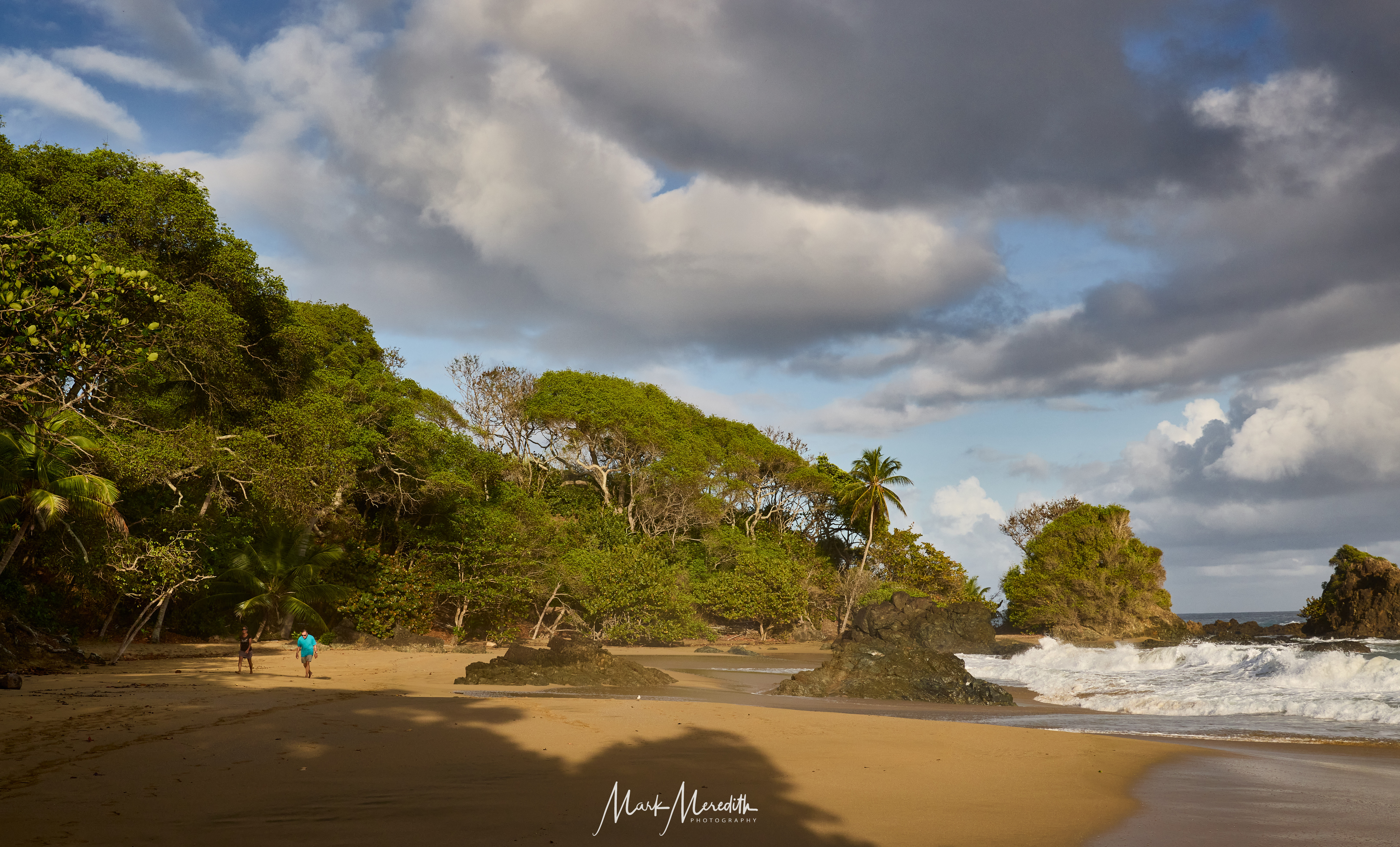
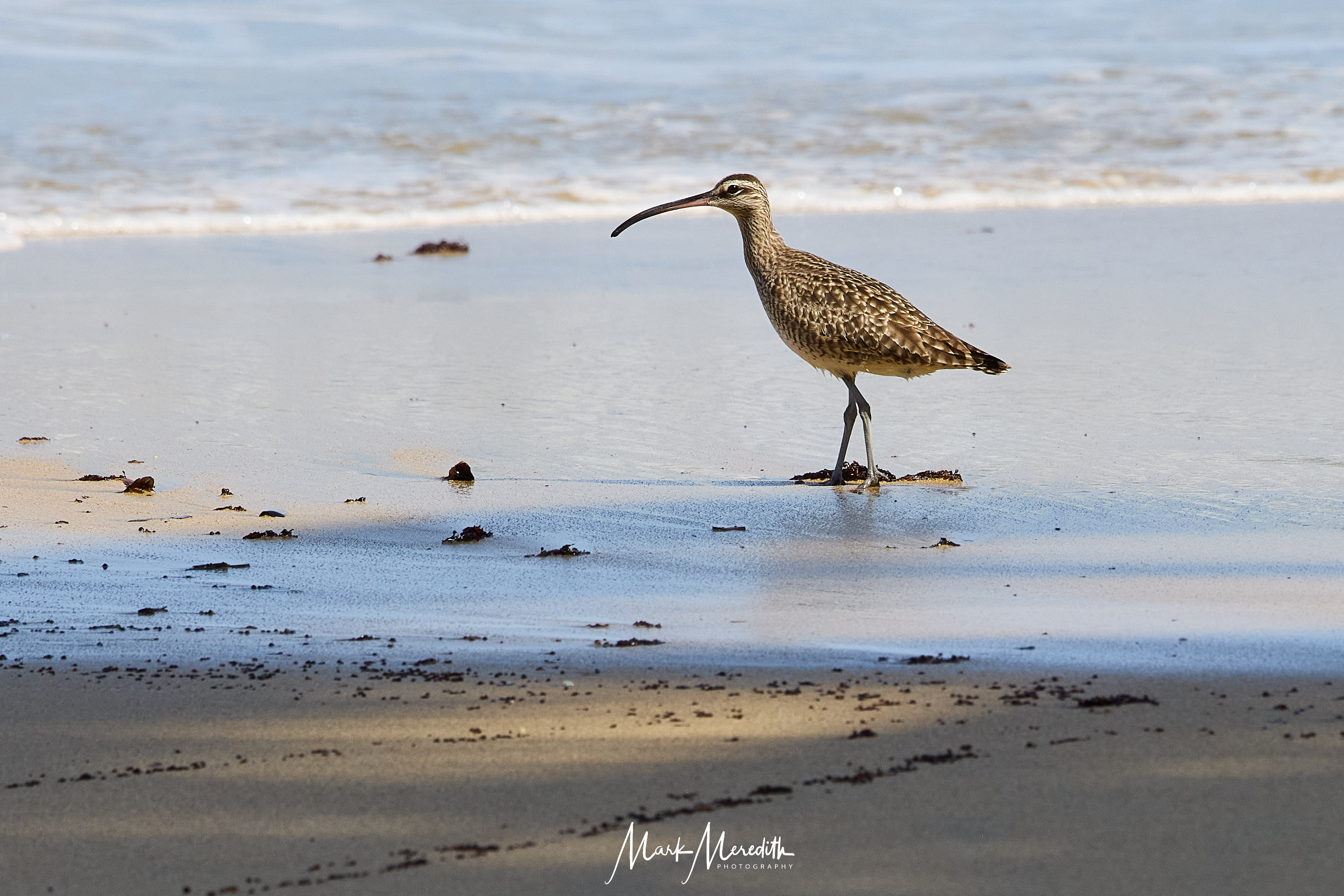
By now the sun was higher, the sea pale blue with walls of imposing breaking waves glinting, spray flying in their wake, the view north up the coastline quite lovely. Small flocks of ringed plovers were running about before surging water, while a wintering Hudsonian whimbrel with its long curved beak sauntered sedately along the shoreline looking for breakfast.
Returning to our villa rental directly opposite Rocky Point I sent my drone up for a better overview of the development area. I was surprised by the amount of trees and vegetation, especially their thickness along the cliff edges, all the way around the point, along Back Bay, and on the plateau. In fact, the majority of Rocky Point is wooded. But Superior Hotel’s published plans and CEC application set aside 93 per cent of the entire site for development, so the EMA say in their Terms of Reference.
Later I watched surfers at Mt Irvine riding the perfect breaking waves formed by the reef at Rocky Point. The consistency of the wave is incredible. It is feared the reef will be destroyed by the construction of the development, excessive run-off, siltation and ongoing sources of land-based pollution. I watched surfers make their way along the rocks beneath threatened trees to the point, access they worry will later be denied.

That evening I returned to Back Bay with RPF’s Duane Kenny. We found people who had come to watch the sunset, or cast a line from a rocky outcrop, or to walk along the sand which even now was turning into a shining golden strip as the sun sank lower.
Kenny showed me the rock pools at the north of the bay where families come when the sea is quiet, before we had to make a hasty retreat as a set of large waves came close to sweeping us off the rocks in an explosion of white foam and spray. I thought of the umbrellas and sun loungers.
At Mt Irvine public beach facilities Kenny introduced me to surfers gathered to recuperate after hard work on the waves and to watch the sunset. I was introduced to promising young surfers representing T&T who use the unique wave at Mt Irvine to hone their skills, the loss of which seems unimaginable to everyone I spoke to.


Someone questioned the point of another large hotel being placed above a precious and fragile ecosystem when so many in hotels in Tobago were almost empty, barely surviving or, like Arnos Vale, abandoned to vagrants. My brother-in-law and his wife vacationing at nearby Grand Courland that week were the only guests the day they arrived – but the hotel still wouldn’t give them an early check in.
Over the road at the Mt Irvine Bay Resort tatty curtains were pulled over empty cabanas, while its once famous golf course has been tragically abandoned, fit only for cows or goats to enjoy. The clubhouse, I was told, was falling apart.
I wondered aloud why Superior Hotels would choose to build at Rocky Point with all its risks and deadly beach when the solution for everyone was staring them in the face right there at decrepit Mt Irvine Bay Resort: space to build or rebuild a hotel, for real estate too; the fantastic views, a championship golf course, safe beach and bar, no environmental issues, all the while saving hundreds of millions. “Boy, yuh know!” came the response.
Meanwhile, the chilled vibe at family friendly Mt Irvine beach continued; people gathered beneath the almond trees with drinks, laughter and conversation; tourists took selfies under the coconut trees while reggae music spilled out of the Anchor Bar blending with the sound of lapping waves.
And, for a while at least, the dreaded spectre of change was put to rest as everyone turned to watch the fiery orange orb sink below Mt Irvine’s purple horizon. That, at least, was something which could never be taken away.


 Photos, Newspaper & Magazine Articles, Travels